Gadkari Reviews NH Quality in MP, Chhattisgarh & J&K
Synopsis
Union Minister Nitin Gadkari chaired a review of national highway quality and maintenance across Madhya Pradesh, Chhattisgarh, and Jammu and Kashmir on September 29, directing NHAI, NHIDCL, and contractors to complete post-monsoon assessments covering drainage, slope stabilisation, and road damage repairs.
Key Takeaways
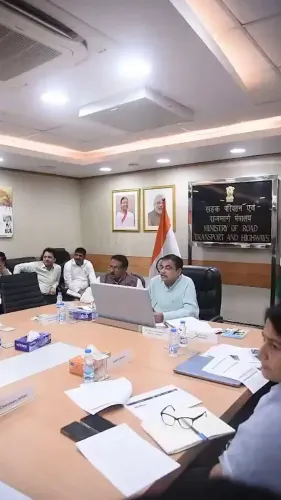
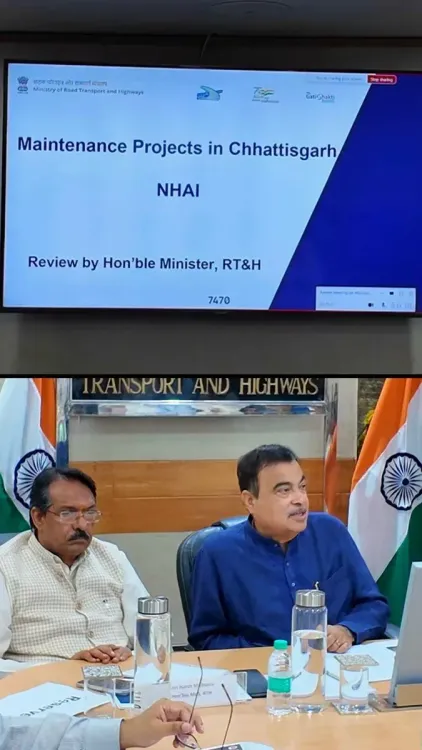
Union Minister Nitin Gadkari held a high-level NH quality review in New Delhi on September 29, 2026 .
Review covered national highway projects in Madhya Pradesh , Chhattisgarh , and Jammu and Kashmir .
Ministers of State H.D.
Malhotra and Ajay Tamta attended alongside NHAI , NHIDCL , and MoRTH officials and contractors.
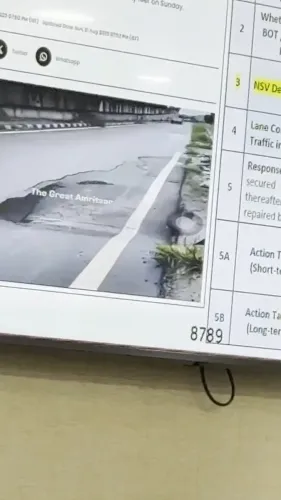
Gadkari ordered comprehensive post-monsoon assessments focused on drainage restoration , slope stabilisation , and road damage repairs .
Officials were directed to establish quick-response mechanisms to minimise commuter disruptions and ensure safety.
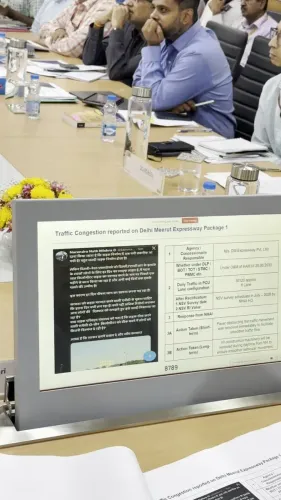
The review was triggered partly by inputs received through media and social media , reflecting a citizen-feedback-driven oversight model.
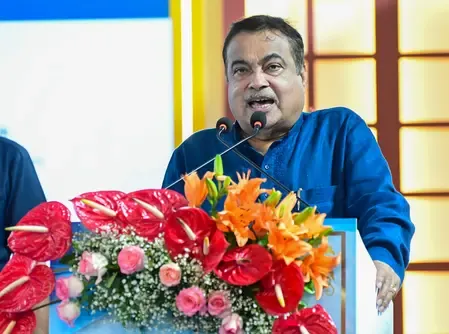
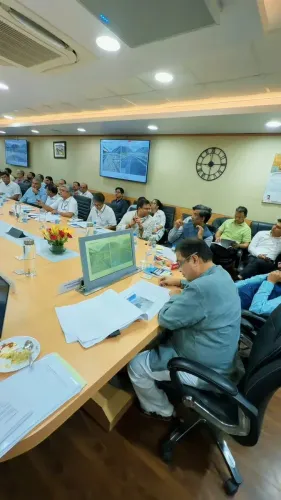
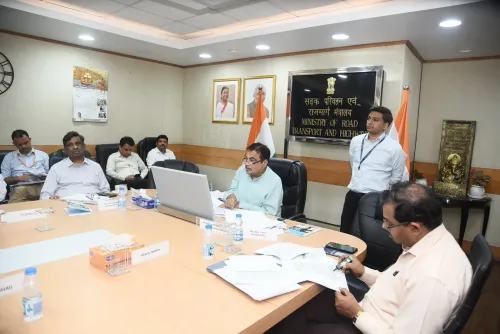
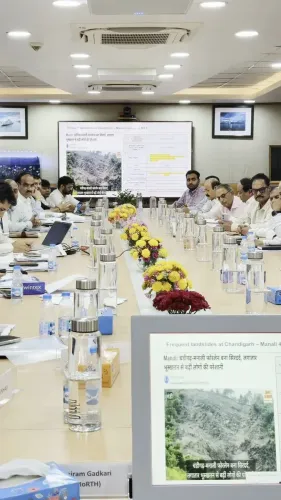
With monsoon damage reports flooding in from social media and the press, Union Road Transport and Highways Minister Nitin Gadkari convened a high-level review in New Delhi on Tuesday, September 29, 2026 — pulling together NHAI, NHIDCL, MoRTH officials, and highway contractors to take hard stock of national highway quality and maintenance across Madhya Pradesh, Chhattisgarh, and Jammu and Kashmir.
The meeting was attended by Union Ministers of State H.D. Malhotra and Ajay Tamta. Gadkari stressed three clear directives: accelerate on-ground works, tighten quality monitoring, and deploy modern construction practices to extend asset life and improve riding quality on key corridors.
Post-Monsoon Damage: The Four-Point Repair Mandate
The minister's sharpest instruction was a comprehensive post-monsoon assessment order, with four non-negotiable focus areas — drainage restoration, slope stabilisation, road damage repairs, and quick-response mechanisms to cut disruptions and protect commuter safety. That last point matters. Hilly and highland corridors in states like Jammu and Kashmir routinely face landslide-triggered closures after heavy rain, and the political and strategic cost of delayed repairs on those routes is significant.
NHIDCL, which specifically handles highway infrastructure in difficult and border terrains including Jammu and Kashmir, was brought into the review alongside NHAI — signalling that this is not a routine administrative exercise. Both agencies now have explicit accountability for acting on the minister's instructions before the next assessment.
From Building Roads to Making Them Last
The review sits within a larger shift in India's highway policy. The Bharatmala Pariyojana, announced in 2015, lit a fire under highway construction targets. The PM Gati Shakti National Master Plan, launched in October 2021, then broadened the lens — integrating roads, rail, and logistics into a single planning framework. What this week's review signals is the next chapter: the infrastructure is being built; now it must be maintained and sweated for its full asset life.
Gadkari's framing — 'inputs received through media and social media' as a trigger for the review — is also notable. It positions citizen-reported road damage as a live feedback loop for the ministry, blurring the line between public grievance and official inspection agenda. That is either a governance innovation or a pointed message to field officials that substandard work has nowhere to hide.
What Contractors and Commuters Can Expect
For highway contractors, the instruction to leverage 'modern construction practices' carries a quality-audit subtext. MoRTH has in recent policy cycles promoted digital monitoring, independent quality audits, and performance-linked payments to reduce the lifecycle cost of national highway assets. Contractors who cut corners on drainage and slope protection — common failure points on hilly NH stretches — have been put on notice.
For commuters across Madhya Pradesh, Chhattisgarh, and Jammu and Kashmir, the actionable commitment is quick-response repair mechanisms on damage-hit corridors. Whether the post-monsoon assessments translate into completed repairs before the next rain cycle is the real test — and the one the ministry has now publicly set for itself.
Point of View
Gadkari is deploying citizen-reported grievances as a monitoring mechanism, which both pressures contractors and signals responsiveness ahead of possible political cycles. The explicit inclusion of Jammu and Kashmir via NHIDCL adds a strategic dimension: connectivity in that Union Territory carries national security weight beyond ordinary commuter welfare. The real metric to watch is whether post-monsoon repair mandates convert to completed, auditable on-ground action before the next rainfall season.
NationPress
30 Sept 2026
Frequently Asked Questions
Why did Gadkari hold a highway quality review for MP, Chhattisgarh, and J&K?
The review was convened after inputs on highway conditions were received through media and social media, prompting the minister to call NHAI, NHIDCL, MoRTH officials, and contractors for an accountability meeting in New Delhi on September 29, 2026.
What is NHIDCL and why is it involved in J&K highway maintenance?
NHIDCL — the National Highways and Infrastructure Development Corporation Limited — is a specialised agency that manages highway projects in difficult and strategic terrains, including Jammu and Kashmir, where regular topography and weather conditions make standard construction approaches insufficient.
What are the four post-monsoon assessment priorities Gadkari ordered?
Gadkari directed officials to focus the post-monsoon assessments on drainage restoration, slope stabilisation, road damage repairs, and setting up quick-response mechanisms to minimise disruptions and ensure commuter safety.
How does PM Gati Shakti relate to this highway quality review?
PM Gati Shakti, launched in October 2021, is the national master plan for coordinated multi-modal infrastructure. The quality and maintenance push aligns with its goal of extending asset life and maximising the value of highway investments made under programmes like Bharatmala Pariyojana.
What action will follow Gadkari's highway maintenance review?
NHAI and NHIDCL are expected to conduct comprehensive post-monsoon assessments across the identified corridors in Madhya Pradesh, Chhattisgarh, and Jammu and Kashmir, with subsequent quality audit reports and corrective orders to be issued by MoRTH.