Gehlot slams Rajasthan BJP over DAP fertiliser shortage, black market prices
Synopsis
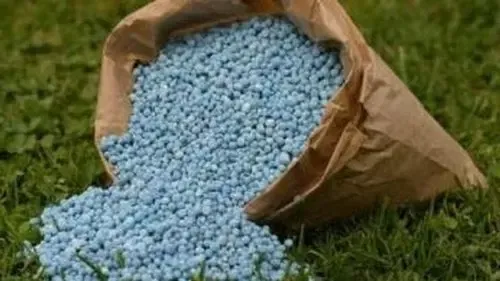
Ashok Gehlot has called out Rajasthan's BJP government for an alleged DAP fertiliser crunch that is reportedly pushing farmers to buy bags at ₹2,100–₹2,200 against the official ₹1,350 price — a 55% black market premium during peak mustard sowing. The state insists stocks are adequate, but even ruling party MLAs have reportedly knocked on the Chief Minister's door.
Key Takeaways
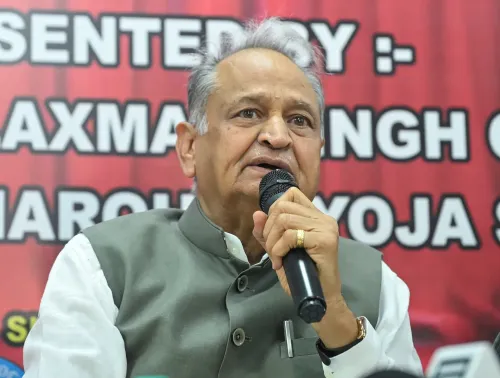
Ashok Gehlot accused the Bhajanlal Sharma -led Rajasthan government and the Centre of failing to ensure adequate DAP fertiliser supply during Rabi sowing season.
DAP allegedly selling at ₹2,100–₹2,200 on the black market versus the official price of ₹1,350 per bag.
Complaints from districts reportedly surfaced since September ; Gehlot also alleged farmers are being pressured to buy Nano DAP alongside regular DAP.
The state Agriculture Department says Rajasthan holds 1.06 lakh metric tonnes of DAP and 3.72 lakh metric tonnes of urea in stock.
Agriculture Minister Dr.
Kirodi Lal called stocks adequate and urged farmers not to hoard based on 'rumours'.
Rajasthan has proposed 40.06 lakh hectares under oilseeds for Rabi 2026–27 , up from 39.82 lakh hectares last season.
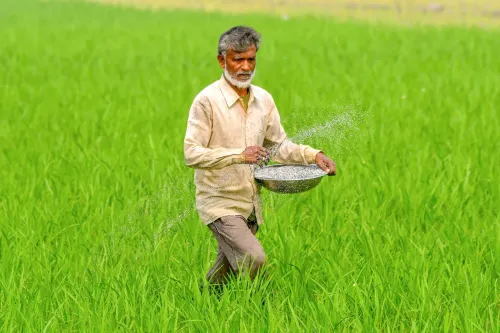
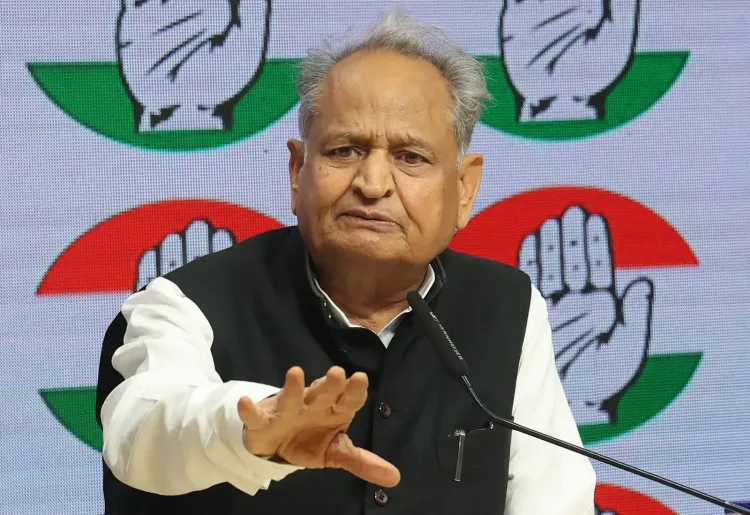
Senior Congress leader Ashok Gehlot has launched a sharp attack on the Chief Minister Bhajanlal Sharma-led Rajasthan government and the Centre over an alleged shortage of di-ammonium phosphate (DAP) fertiliser, accusing the BJP's 'double-engine government' of failing farmers during the critical mustard sowing season. With Rabi sowing underway across Rajasthan, farmers are reportedly being forced to pay steeply inflated prices for DAP on the black market.
What Gehlot Alleged
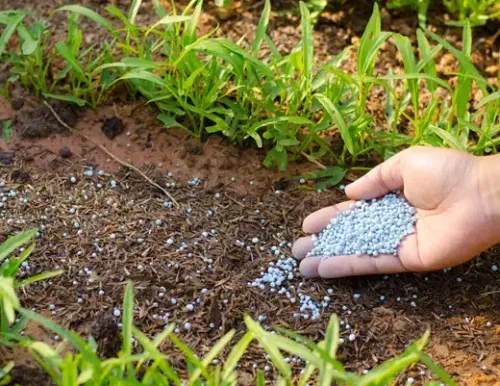
The former Chief Minister claimed that a bag of DAP normally priced at ₹1,350 is allegedly being sold for ₹2,100–₹2,200 on the black market — a premium of over 55%. In a post on social media platform X, Gehlot said complaints about fertiliser shortages had been surfacing from several districts since September. He also alleged that farmers were being pressured to purchase products such as Nano DAP alongside regular DAP.
'What kind of development is this, where the annadata (farmer) is forced to buy fertiliser on the black market to carry out sowing?' Gehlot said, urging the state government to ensure adequate supplies immediately and take strict action against those involved in black marketing.
Gehlot further claimed that cooperative societies had submitted their fertiliser requirements well in advance, but supplies had yet to arrive. The shortage has reportedly prompted even Cabinet ministers and MLAs from the ruling Bharatiya Janata Party (BJP) to approach Chief Minister Sharma, though the situation remains unresolved, according to reports.
State Government's Position
The Rajasthan government has pushed back on the allegations, maintaining that fertiliser availability is being closely monitored. According to the state Agriculture Department, Rajasthan currently holds 3.72 lakh metric tonnes of urea, 1.06 lakh metric tonnes of DAP, 97,000 metric tonnes of NPK, and 2.08 lakh metric tonnes of SSP.
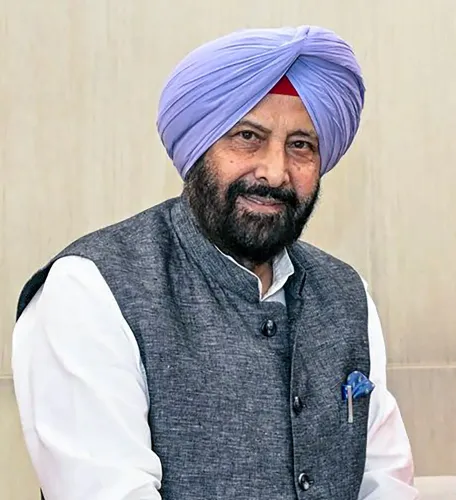
Agriculture and Horticulture Minister Dr. Kirodi Lal said fertiliser stocks were adequate and advised farmers against unnecessary purchases or stockpiling based on rumours. He added that the state government was coordinating with the Centre to ensure supplies matched Rajasthan's requirements.
Task Force Meeting and Monitoring Steps
A meeting of the state-level Fertiliser Distribution Regulatory Task Force was recently convened under the chairmanship of Chief Secretary V. Srinivas. The meeting focused on ensuring an uninterrupted supply of quality fertilisers and preventing hoarding and black marketing during the Rabi season. Districts and blocks with lower availability and higher consumption are being identified to prioritise supplies, the department said.
Rabi Sowing Targets and Context
The dispute comes against the backdrop of an ambitious Rabi 2026–27 sowing programme. The state has proposed 40.06 lakh hectares under oilseeds, 21.95 lakh hectares under pulses, and 38.50 lakh hectares under cereals — a shift from last season's 39.82 lakh hectares, 20.69 lakh hectares, and 42.77 lakh hectares respectively. Agriculture Minister Kirodi Lal highlighted the state's crop diversification push, aimed at encouraging oilseed and pulse cultivation while reducing area under cereal crops.
This is not the first time fertiliser availability has become a flashpoint in Rajasthan during Rabi season; similar disputes over DAP and urea distribution have periodically surfaced in the state over the past several years, often intensifying during peak sowing windows when demand outstrips logistics capacity. With mustard sowing at its peak and the political blame game sharpening, farmers' access to inputs at regulated prices will likely remain a pressure point through October.
Point of View
Yet official stock numbers have historically obscured last-mile distribution failures; fertiliser locked in district warehouses does not reach a farmer in a remote block during peak sowing. The more telling detail is that ruling-party MLAs are themselves reportedly approaching the Chief Minister — a sign that the ground reality diverges from the Agriculture Department's assurances. Rajasthan's fertiliser disputes tend to recur every Rabi season precisely because logistics and cooperative society pipelines remain weak, and political point-scoring by both sides has rarely translated into structural fixes for farmers.
NationPress
9 Oct 2026
Frequently Asked Questions
Why is there a DAP fertiliser shortage in Rajasthan?
Congress leader Ashok Gehlot has alleged that the Rajasthan government and the Centre failed to ensure timely supply of di-ammonium phosphate (DAP) during the mustard sowing season, with cooperative societies' indent reportedly unmet. The state government, however, maintains that stocks are adequate and that distribution is being monitored district-by-district.
At what price is DAP being sold on the black market in Rajasthan?
According to Gehlot's allegations, a bag of DAP that officially costs ₹1,350 is reportedly being sold for ₹2,100–₹2,200 on the black market — a premium of over 55%. The state government has not confirmed these prices but says anti-hoarding measures are being enforced.
What fertiliser stocks does Rajasthan currently hold?
The state Agriculture Department says Rajasthan has 3.72 lakh metric tonnes of urea, 1.06 lakh metric tonnes of DAP, 97,000 metric tonnes of NPK, and 2.08 lakh metric tonnes of SSP available for the Rabi 2026–27 season.
What steps has the Rajasthan government taken to address the fertiliser situation?
A state-level Fertiliser Distribution Regulatory Task Force meeting was recently held under Chief Secretary V. Srinivas, focusing on uninterrupted supply and preventing hoarding. Agriculture Minister Dr. Kirodi Lal has said the state is coordinating with the Centre and asked farmers not to stockpile based on rumours.
How does Rabi 2026–27 sowing compare to last year in Rajasthan?
For Rabi 2026–27, Rajasthan has proposed 40.06 lakh hectares under oilseeds, 21.95 lakh hectares under pulses, and 38.50 lakh hectares under cereals. Last season (2025–26), the corresponding figures were 39.82 lakh hectares, 20.69 lakh hectares, and 42.77 lakh hectares, reflecting a push toward oilseed and pulse cultivation.