Giriraj Singh Hails Anti-Paper Leak Bill Passed by Both Houses

Synopsis
Union Textiles Minister Giriraj Singh has welcomed the passage of the Anti-Paper Leak Amendment Bill through both Houses of Parliament, calling it a decisive step to strengthen exam transparency and protect student futures. The bill amends the 2024 Public Examinations (Prevention of Unfair Means) Act.
Key Takeaways
The Anti-Paper Leak Amendment Bill was passed by both Lok Sabha and Rajya Sabha , clearing Parliament on July 31, 2026 .
Union Textiles Minister Giriraj Singh called the passage 'an important step in the interest of students.' The bill amends the Public Examinations (Prevention of Unfair Means) Act, 2024 , which was enacted following widespread paper leak controversies.
The amendment is aimed at imposing stricter penalties and enhancing transparency in public examination systems.
Enforcement of the amended law during upcoming major examination cycles will be the critical next milestone.
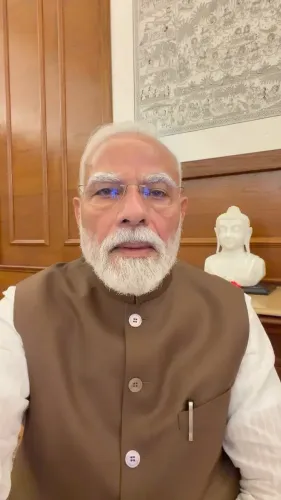
Millions of exam aspirants across India have long lived under the shadow of a broken promise — that hard work alone would decide their fate. That shadow just got a little smaller. Union Textiles Minister Giriraj Singh on Friday, July 31, 2026, welcomed the passage of the Anti-Paper Leak Amendment Bill through both Houses of Parliament, calling it a significant step in the interest of students.
In his post, Singh wrote: 'Lok Sabha aur Rajya Sabha, dono sadnon se Anti Paper Leak Sanshodhan Vidheyak ka parit hona chhattron ke hit mein ek mahatvapurna kadam hai' — ('The passage of the Anti-Paper Leak Amendment Bill through both the Lok Sabha and the Rajya Sabha is an important step in the interest of students.') He added that the legislation would strengthen transparency and trust in the examination system, and pave the way for stricter action against those who 'play with the futures of the youth.'
From Controversy to Legislation: The Paper Leak Crisis That Forced Parliament's Hand
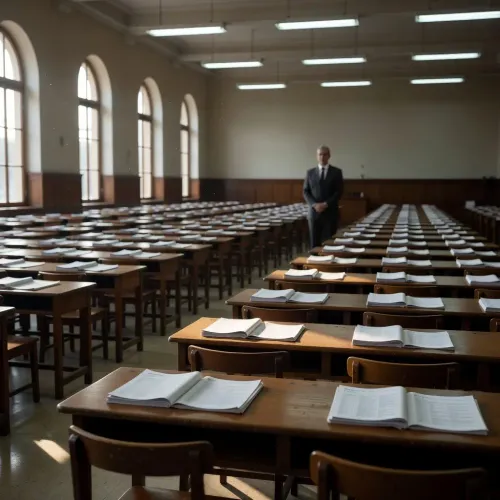
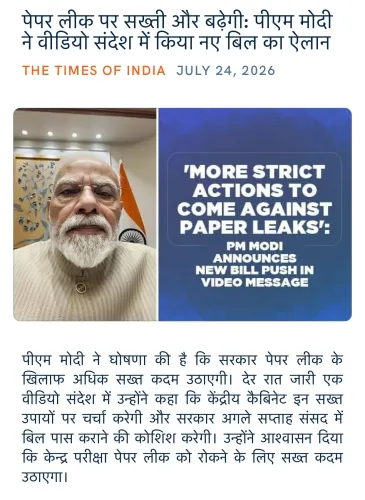
The bill does not emerge from a vacuum. 2024 was a bruising year for India's public examination ecosystem — multiple high-profile paper leak controversies rocked national-level recruitment and entrance tests, triggering widespread protests from aspirants who had spent years preparing. The damage was not merely procedural; it was a crisis of institutional faith.
Parliament had responded in 2024 with the Public Examinations (Prevention of Unfair Means) Act, a foundational law targeting malpractice in public exams. The latest amendment builds on that foundation, tightening penalties and reinforcing the mechanisms that the original law put in place. Clearing both the Lok Sabha and the Rajya Sabha signals a rare legislative consensus on the urgency of the problem.
What Stricter Action Actually Means for Aspirants
The amendment is aimed squarely at deterrence. By raising the stakes for those who leak, circulate, or profit from question papers, the law is designed to make exam fraud a far riskier enterprise. For the crores of candidates who appear in competitive examinations every year — from UPSC to state-level recruitment boards — this is a structural reassurance that the process will be harder to corrupt.
The next test, quite literally, will be enforcement. Analysts and aspirant groups will be watching closely for the notification of rules under the amended law and whether its provisions are invoked swiftly during the next major examination cycle. A law's credibility is built in its first use, not its passage.
Point of View
This is also a political recalibration — the exam leak crisis had dented its image among the aspirant class, a vote bank it cannot afford to alienate. Giriraj Singh's endorsement, as a senior party voice rather than the Education Minister, signals a deliberate effort to amplify the message across the cabinet. The real political dividend, however, will only materialise if enforcement matches legislative intent.
NationPress
14 Sept 2026
Frequently Asked Questions
What is the Anti-Paper Leak Amendment Bill passed in 2026?
The Anti-Paper Leak Amendment Bill amends the Public Examinations (Prevention of Unfair Means) Act of 2024 to impose stricter penalties and improve transparency against paper leaks in public examinations. It was passed by both Lok Sabha and Rajya Sabha.
Why was the Anti-Paper Leak Bill introduced in Parliament?
The bill was introduced in response to multiple paper leak controversies in national examinations in 2024, which triggered protests from aspirants and eroded public trust in India's competitive examination system.
What does the Public Examinations (Prevention of Unfair Means) Act 2024 do?
The 2024 Act established a legal framework to address unfair practices and paper leaks in public examinations. The 2026 amendment strengthens its penalty provisions and enforcement mechanisms.
What did Giriraj Singh say about the Anti-Paper Leak Bill?
Union Textiles Minister Giriraj Singh said the bill's passage through both Houses of Parliament is 'an important step in the interest of students' and reflects the government's commitment to stricter action against those who compromise exam integrity.
What happens next after the Anti-Paper Leak Amendment Bill is passed?
The government will need to notify the rules under the amended law. Its effectiveness will be tested during the next cycle of major competitive examinations, where enforcement agencies will be expected to invoke its provisions.