Giriraj Singh attends Maa Baglamukhi Mahayagya, invokes Sanatan duty
Synopsis
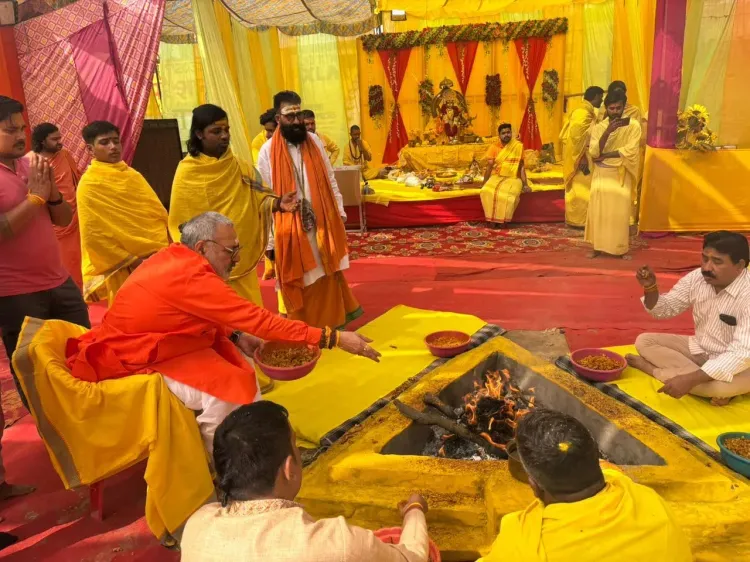
Union Textiles Minister Giriraj Singh attended the Maa Baglamukhi Mahayagya led by Swami Deepankar on 24 October 2026, bowed at the feet of Maa Pitambara, and called preserving Sanatan heritage and transmitting it to the next generation a collective duty.
Key Takeaways
Giriraj Singh , Union Textiles Minister and BJP MP from Begusarai, Bihar , attended the Maa Baglamukhi Mahayagya on 24 October 2026 .
The ceremony was conducted under the guidance of Swami Deepankar .
Singh offered prayers and received blessings at the feet of Maa Pitambara .
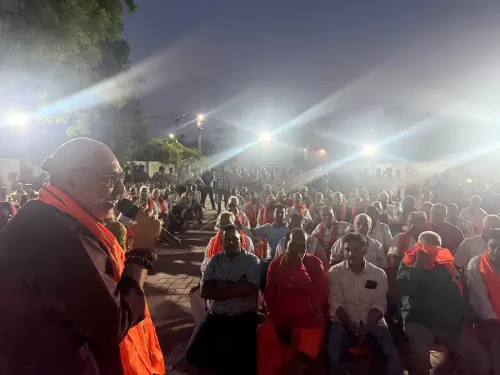
The event was attended by revered saints, learned acharyas , and a large number of devotees.
Singh called preserving Sanatan heritage and passing cultural values to the next generation a shared responsibility.
The appearance aligns with a broader pattern of senior BJP leaders publicly engaging with Hindu religious traditions.
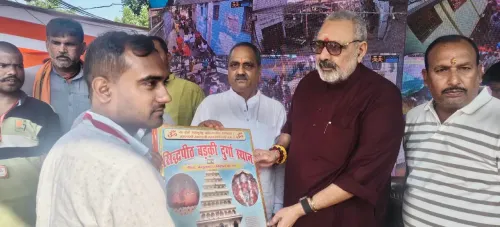
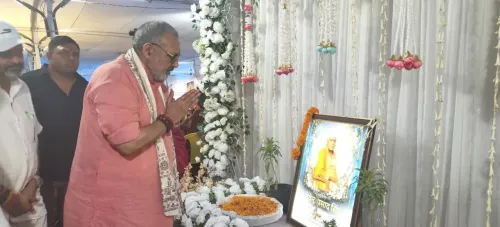
With folded hands and a bowed head, Union Textiles Minister Giriraj Singh joined the Maa Baglamukhi Mahayagya on Saturday, 24 October 2026, conducted under the guidance of Swami Deepankar, offering prayers at the feet of Maa Pitambara and receiving her blessings.
The minister described the occasion as a gathering graced by revered saints, learned acharyas (preceptors), and a large congregation of devotees. Posting images from the ceremony, Singh wrote that Sanatan culture 'tyaag, sanyam, satya aur lokkalayn ki bhavna se humein jodti hai' — 'connects us through the spirit of sacrifice, restraint, truth and public welfare.'
A call to preserve and pass on the heritage
Singh's message went beyond personal devotion. He framed cultural preservation as a shared responsibility, saying it is the duty of every individual to safeguard India's rich spiritual heritage, protect the traditions of Sanatan Dharma, and carry sanskaars (cultural values) forward to the next generation. The language was deliberate — civic obligation dressed in spiritual vocabulary.
BJP leaders and the rhythm of religious public life
Singh's appearance fits a well-established pattern among senior BJP leaders, who routinely attend Hindu religious ceremonies and use those platforms to articulate the party's cultural worldview. Participation in yagyas, temple consecrations, and similar events serves dual purposes: personal faith expressed openly, and a signal to a broad base of Hindu devotees that elected representatives remain rooted in traditional practice. For a leader of Singh's stature — Lok Sabha MP from Begusarai, Bihar and a cabinet minister — such appearances carry both spiritual and political resonance.
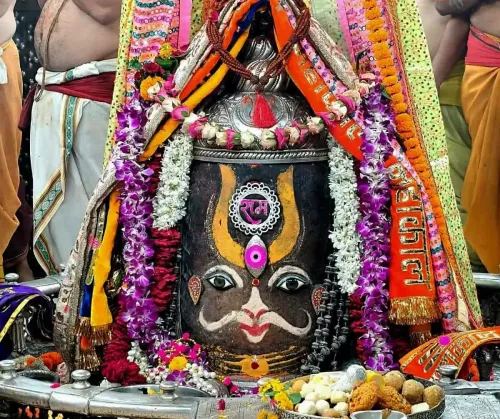
The Mahayagya, centered on Maa Baglamukhi — a Mahavidya deity associated with power and protection — drew a substantial gathering, reflecting the enduring place of large-scale collective rituals in India's public religious life.
For Singh, the post is as much a statement of values as it is a record of attendance: Sanatan culture, he argued, is not a relic to be archived but a living responsibility to be transmitted, generation by generation.
Point of View
But the accompanying statement about generational duty to Sanatan Dharma reinforces a cultural-nationalist narrative the party has consistently built since 2014. The framing of cultural preservation as civic obligation, not mere private belief, broadens the appeal beyond the devout to anyone who identifies with heritage and continuity. As a cabinet minister rather than a party spokesperson, Singh lends institutional weight to what might otherwise read as a routine devotional post, signalling that this cultural agenda sits within governance, not outside it.
NationPress
24 Oct 2026
Frequently Asked Questions
What is the Maa Baglamukhi Mahayagya?
The Maa Baglamukhi Mahayagya is a large-scale Hindu fire ritual ( yagya ) dedicated to Maa Baglamukhi, one of the ten Mahavidya goddesses associated with power and protection. Such ceremonies typically involve recitation of sacred texts, fire offerings, and congregational prayer led by learned acharyas .
Who is Giriraj Singh?
Giriraj Singh is India's Union Minister of Textiles and a senior leader of the BJP . He serves as a Lok Sabha MP from Begusarai, Bihar , and is known for his outspoken advocacy of Sanatan Hindu cultural values.
Who is Swami Deepankar?
Swami Deepankar is the spiritual guide credited with conducting the Maa Baglamukhi Mahayagya that Giriraj Singh attended on 24 October 2026 . Further biographical details were not verifiable from available sources.
Why do BJP leaders attend Hindu religious ceremonies publicly?
Senior BJP leaders frequently participate in Hindu religious events as an expression of personal faith and as part of the party's broader cultural agenda, which emphasises preserving and promoting Sanatan Dharma and India's spiritual heritage. Public attendance signals both personal conviction and political alignment with Hindu devotees.
What did Giriraj Singh say about Sanatan Dharma?
Singh stated that Sanatan culture connects people through sacrifice, restraint, truth, and public welfare, and called it everyone's responsibility to safeguard India's spiritual heritage, protect Sanatan traditions, and transmit cultural values to the next generation.