Giriraj Singh Opens 62nd Indian Handicrafts & Gifts Fair in Greater Noida
Synopsis
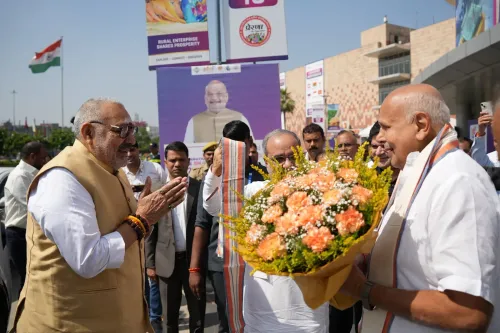
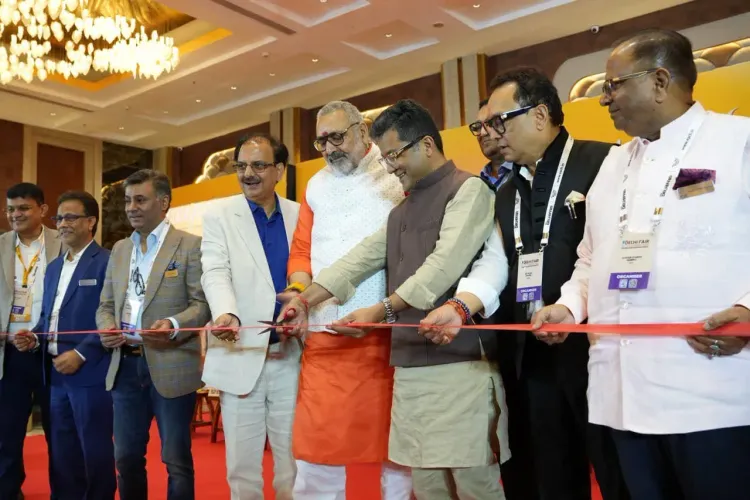
Union Textiles Minister Giriraj Singh inaugurated the 62nd Indian Handicrafts & Gifts Fair (Autumn 2026) at India Expo Centre, Greater Noida, on 13 October 2026. Organised by the EPCH, the biannual fair links Indian artisans and exporters with global buyers across handicrafts, home décor, furniture, and lifestyle categories.
Key Takeaways
Giriraj Singh , Union Minister of Textiles, inaugurated the 62nd Indian Handicrafts & Gifts Fair (Autumn 2026) on 13 October 2026 .
The fair is held at India Expo Centre and Mart, Greater Noida, Uttar Pradesh — one of South Asia's largest exhibition venues.
The event is organised by the Export Promotion Council for Handicrafts (EPCH) , the apex body under the Ministry of Textiles for handicraft export promotion.
The fair covers handicrafts, home décor, furniture, gifting, and lifestyle products , connecting Indian producers with international buyers.
The biannual fair has run for over six decades , forming a cornerstone of India's handicraft export strategy.
The sector is predominantly MSME-driven and labour-intensive , making the fair a direct lever for artisan livelihoods and rural employment.
Sixty-two editions in, and the stage still draws the world to India's artisans. Union Textiles Minister Giriraj Singh inaugurated the 62nd Indian Handicrafts & Gifts Fair (Autumn 2026) at the India Expo Centre and Mart, Greater Noida, on Tuesday, 13 October 2026 — marking another chapter in the country's oldest and largest trade platform dedicated to handicrafts, home décor, furniture, gifting, and lifestyle exports.
Six decades of connecting Indian craft to global buyers
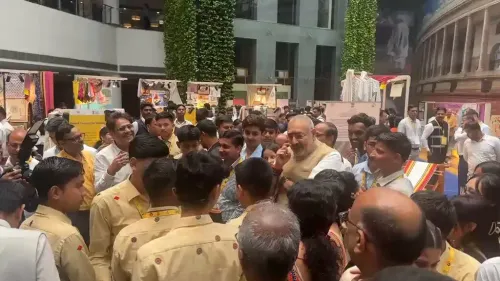
Organised by the Export Promotion Council for Handicrafts (EPCH) — the apex body under the Ministry of Textiles tasked with expanding the sector's global footprint — the fair has run for over six decades, held twice a year at the sprawling India Expo Centre in Greater Noida, Uttar Pradesh. The platform brings under one roof Indian artisans, designers, and exporters from across the country, placing them face-to-face with international buyers hunting for authentic, hand-crafted goods.
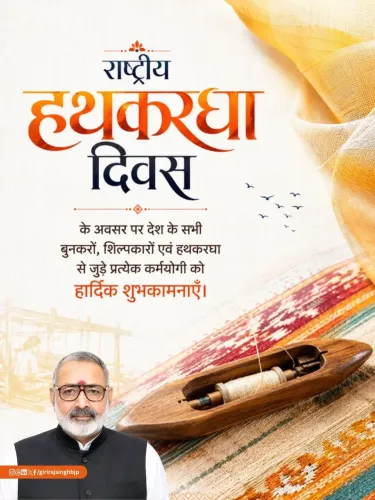
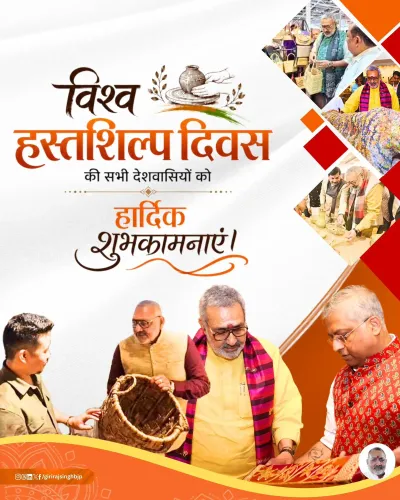
Minister Singh, posting on X in Hindi, described the fair as a 'प्रतिष्ठित मंच' — a prestigious platform — that has, year after year, helped carry 'हस्तशिल्प, होम डेकोर, फर्नीचर, गिफ्टिंग और लाइफस्टाइल उत्पादों' (handicrafts, home décor, furniture, gifting, and lifestyle products) into international markets while opening 'new doors of opportunity for artisans.'
Why handicraft trade fairs are a Ministry of Textiles priority
India's handicraft sector is overwhelmingly MSME-dominated and deeply labour-intensive — a natural fit for a government strategy that targets both export earnings and rural employment at the same time. The Ministry of Textiles has consistently used sector-specific trade fairs as instruments to integrate small producers and traditional craft clusters into global value chains without displacing the handmade character of the goods.
The EPCH's biannual fair calendar — spring and autumn editions — ensures exporters maintain continuity with overseas buyers even as product lines evolve with global design trends. For artisans in clusters spread across states, an appearance at Greater Noida's expo mart can translate directly into forward orders that sustain livelihoods for entire communities.
What the fair's longevity signals for Indian craft exports
Reaching a 62nd edition is not a routine milestone. It reflects decades of institutional continuity — successive governments, changing trade environments, two global disruptions — and a handicraft export community resilient enough to keep showing up. The autumn fair caps the calendar year's second buying cycle, giving exporters a critical window to lock in orders ahead of the international holiday season.
The fair's consistent return to India Expo Centre and Mart — one of South Asia's largest exhibition venues — also signals the scale the sector has grown into: this is no boutique showcase but a commercial platform that competes for global sourcing budgets.
As Indian handicraft exports continue to hold their place in global lifestyle and décor markets, platforms like this one remain the clearest proof that a craftsperson in a small cluster and a buyer in a distant market can still find each other — two editions a year, year after year.
Point of View
Not a legacy obligation. Six decades of the fair's continuity also insulates the sector from political cycles — the platform outlasts any single administration. The real test, however, is whether buyer attendance and order volumes at the 62nd edition show growth, or whether the fair is holding ground in an increasingly competitive global lifestyle-goods market.
NationPress
13 Oct 2026
Frequently Asked Questions
What is the Indian Handicrafts and Gifts Fair?
The Indian Handicrafts and Gifts Fair is a biannual trade fair organised by the Export Promotion Council for Handicrafts (EPCH) under the Ministry of Textiles. It connects Indian artisans, designers, and exporters with international buyers across categories including handicrafts, home décor, furniture, gifting, and lifestyle products.
Where is the 62nd Indian Handicrafts and Gifts Fair being held?
The 62nd edition (Autumn 2026) is being held at India Expo Centre and Mart in Greater Noida, Uttar Pradesh.
Who inaugurated the 62nd Indian Handicrafts and Gifts Fair in 2026?
Union Minister of Textiles Giriraj Singh inaugurated the 62nd Indian Handicrafts and Gifts Fair (Autumn 2026) on 13 October 2026 in Greater Noida.
What is the Export Promotion Council for Handicrafts (EPCH)?
The EPCH is the apex body under India's Ministry of Textiles responsible for promoting the export of Indian handicrafts and gifts. It organises the Indian Handicrafts and Gifts Fair twice a year to create direct market access for artisans and exporters.
How does the Handicrafts and Gifts Fair benefit Indian artisans?
The fair places Indian artisans and exporters directly in front of international buyers, enabling them to secure forward orders for products such as handicrafts, home décor, and lifestyle goods — translating craft skills from MSME clusters into export earnings and livelihoods.