CM Rekha Gupta Thanks Textile Minister Giriraj Singh for Craft Push
Synopsis
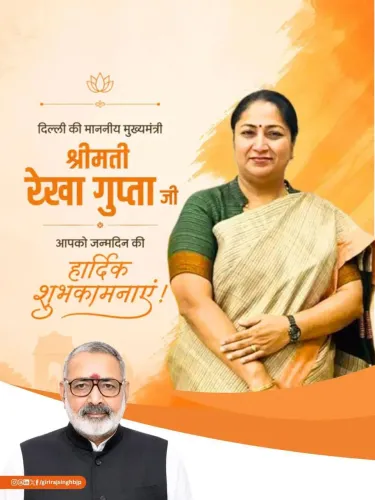
Delhi Chief Minister Rekha Gupta on 19 July 2026 thanked Union Textile Minister Giriraj Singh for his outreach and praised his efforts to connect Indian handicrafts and handloom weavers with new markets, invoking the Atmanirbhar Bharat vision and positioning Delhi as a national craft hub.
Key Takeaways
Delhi CM Rekha Gupta publicly thanked Union Textile Minister Giriraj Singh on 19 July 2026 .
Gupta credited Singh's initiatives with giving Delhi a new identity as a leading centre of India's textile and craft tradition.
The post explicitly invoked the Atmanirbhar Bharat Abhiyan , launched in 2020 , as the broader framework for these efforts.
The exchange signals active coordination between the Delhi government and the Union Textiles Ministry on artisan and handloom promotion.
Key beneficiaries include handloom weavers and handicraft artisans based in and around Delhi who stand to gain from improved market access.
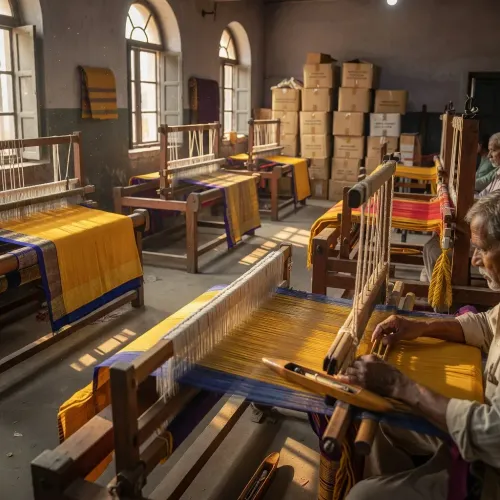
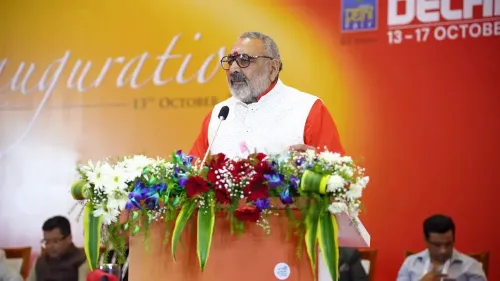
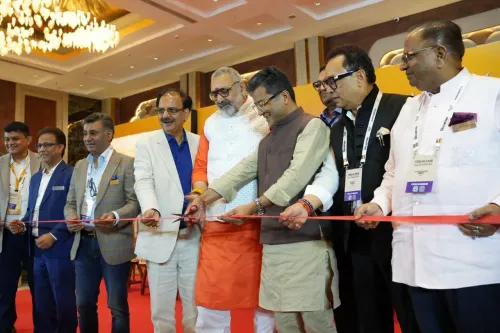
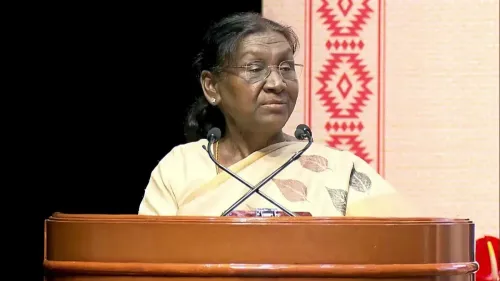
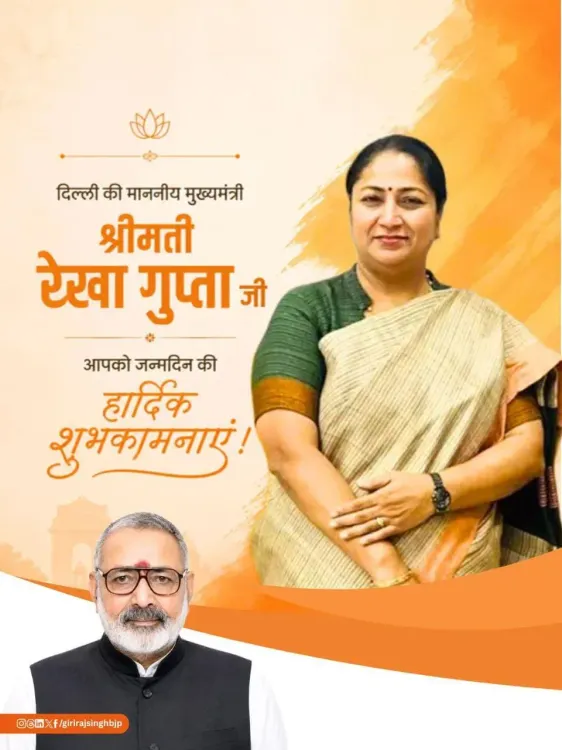
Delhi Chief Minister Rekha Gupta on Sunday, 19 July 2026, publicly acknowledged Union Textile Minister Giriraj Singh, thanking him for his greetings and expressing appreciation for his efforts to connect Indian handicrafts, handlooms, and artisans with larger platforms and new markets. The Chief Minister described his initiatives as giving Delhi a renewed identity as a leading centre of the country's rich textile and craft tradition.
In her post, Gupta wrote — 'भारतीय हस्तशिल्प, हथकरघा और कारीगरों की प्रतिभा को बड़े मंचों तथा नए बाजारों से जोड़ने की आपकी पहल दिल्ली को देश की समृद्ध वस्त्र एवं शिल्प परंपरा के प्रमुख केंद्र के रूप में नई पहचान दे रही है' — ['Your initiative to link Indian handicrafts, handlooms, and the talent of artisans with large platforms and new markets is giving Delhi a new identity as a leading centre of the country's rich textile and craft tradition.'] She also invoked the Atmanirbhar Bharat vision, calling Singh's guidance 'extremely valuable' in fulfilling that resolve.
Context
Giriraj Singh serves as the Union Minister of Textiles in the Government of India, overseeing national policy on handlooms, handicrafts, and the broader textile sector. The exchange follows what appears to be a goodwill message from Singh to the Delhi Chief Minister, to which Gupta responded with this public acknowledgement. The post signals an active channel of coordination between the Delhi government and the Union Textiles Ministry.
Delhi has historically been home to significant concentrations of handloom weavers, handicraft clusters, and artisan communities. Positioning the capital as a premier showcase for India's craft heritage has been a recurring ambition of successive Delhi administrations, and this latest exchange underlines that the current dispensation intends to pursue it in alignment with central government programmes.
Policy Backdrop
The Atmanirbhar Bharat Abhiyan, launched in 2020, placed textiles and traditional crafts at the centre of India's domestic value-chain expansion strategy. The initiative sought to reduce import dependence, boost manufacturing, and create export opportunities — with artisans and handloom weavers among the direct intended beneficiaries.
Central ministries have long run programmes aimed at linking traditional crafts with larger domestic and international markets. Gupta's explicit reference to Atmanirbhar Bharat in her message signals the Delhi government's intent to align state-level craft promotion with this national framework, potentially deepening state-central coordination on artisan welfare and market access.
Stakeholders and Impact
The communities most directly affected by the policy direction referenced in this exchange are handloom weavers and handicraft artisans based in and around Delhi. Access to larger platforms and new markets — whether domestic trade fairs, government procurement channels, or export facilitation — can meaningfully improve livelihoods for these groups.
Delhi's role as the national capital gives it unique leverage as a showcase city: exhibitions, buyer-seller meets, and craft festivals held in the capital carry national visibility. A coordinated push between the state government and the Union Textiles Ministry could translate into more structured market-linkage programmes for Delhi-based artisan clusters.
What's Next
Observers will watch for concrete follow-through in the form of joint state-central schemes, craft cluster development announcements, or market-access initiatives emerging from the Textiles Ministry in coordination with the Delhi government. Any formal memoranda of understanding or programme launches between the two offices would mark the next step beyond this public exchange of goodwill.
The broader pattern of integrating cultural industries into economic self-reliance goals suggests that further announcements linking Delhi's artisan economy to national export and branding platforms remain a live possibility in the months ahead.
Point of View
Gupta ties Delhi's craft economy explicitly to the national self-reliance narrative, lending the state government a role in a programme that has largely been driven from the Centre. For artisan communities, the political optics matter less than whether this goodwill translates into funded programmes and market-linkage mechanisms. The exchange sets an expectation of follow-through that will be watched by craft cluster stakeholders across the capital.
NationPress
18 Oct 2026
Frequently Asked Questions
Why did Delhi CM Rekha Gupta thank Giriraj Singh?
Delhi CM Rekha Gupta thanked Union Textile Minister Giriraj Singh on 19 July 2026 for his goodwill message and for his efforts to connect Indian handicrafts and handloom weavers with larger platforms and new markets, which she said was giving Delhi a new identity as a national craft centre.
What is Atmanirbhar Bharat and how does it relate to textiles?
Atmanirbhar Bharat Abhiyan is a national self-reliance initiative launched in 2020 that includes expanding domestic value chains in textiles and crafts. Rekha Gupta referenced it in her post to frame Delhi's craft promotion as part of this broader national economic goal.
What is Giriraj Singh's role in the Indian government?
Giriraj Singh serves as the Union Minister of Textiles in the Government of India, responsible for national policy on handlooms, handicrafts, and the wider textile sector.
How is Delhi connected to India's handloom and handicraft sector?
Delhi has long hosted significant concentrations of handloom weavers and handicraft artisan clusters. As the national capital, it also serves as a high-visibility showcase city for India's craft heritage through exhibitions and trade events.
What could follow from this exchange between Delhi and the Textiles Ministry?
Observers will watch for joint state-central schemes, craft cluster development announcements, or market-access initiatives. Formal programme launches or memoranda of understanding between the Delhi government and the Union Textiles Ministry would be the concrete next step.