Shekhawat Addresses SCO Culture Ministers Meet in Kyrgyzstan
Synopsis
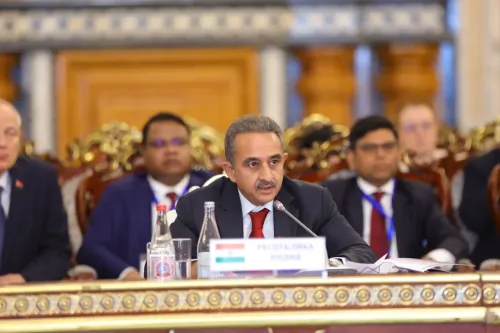
Union Culture Minister Gajendra Singh Shekhawat addressed the 23rd SCO Culture Ministers Meeting in the Kyrgyz Republic on 19 July 2026, calling culture a force for dialogue and trust, and reaffirming India's commitment to shared civilisational heritage through the principle of Vasudhaiva Kutumbakam.
Key Takeaways
Gajendra Singh Shekhawat represented India at the 23rd SCO Culture Ministers Meeting in the Kyrgyz Republic on 19 July 2026 .
He described culture as 'a powerful force for dialogue, trust and sustainable development.' India reaffirmed its commitment to preserving shared civilisational heritage and strengthening cooperation among SCO member states.
The Sanskrit principle Vasudhaiva Kutumbakam — 'the world is one family' — was invoked as a guiding spirit for India's multilateral engagement.
India has been a full SCO member since 2017 and chaired the bloc in 2023 , hosting heritage-focused events.
Follow-up on joint SCO cultural projects and references at the next SCO Summit will be key indicators of outcomes.
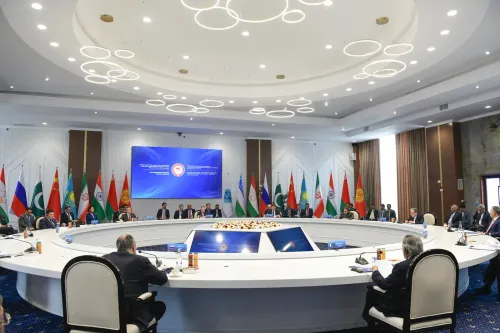
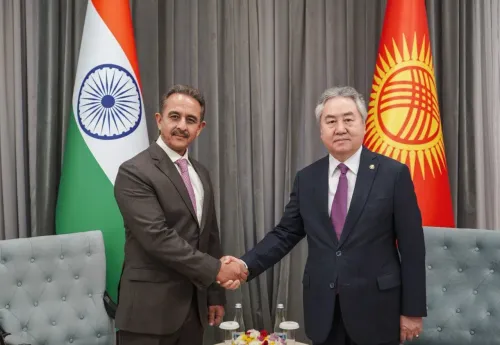
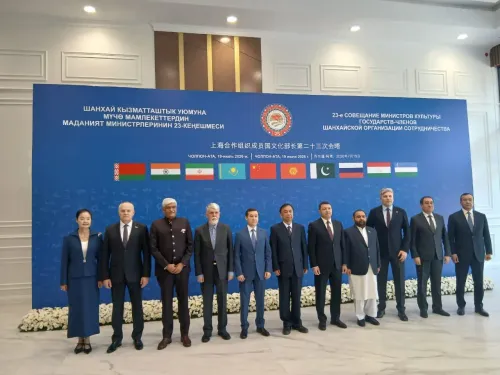
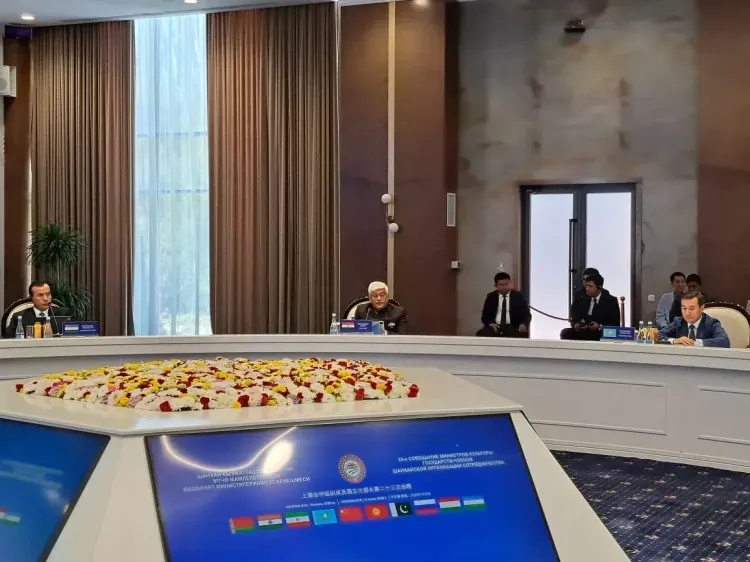
Union Culture and Tourism Minister Gajendra Singh Shekhawat addressed the 23rd Meeting of Ministers of Culture of the Shanghai Cooperation Organisation (SCO) in the Kyrgyz Republic on Sunday, 19 July 2026, reaffirming India's commitment to civilisational heritage and multilateral cultural cooperation.
Context
Speaking at the ministerial gathering in Bishkek, Shekhawat emphasised that 'culture is a powerful force for dialogue, trust and sustainable development.' He also invoked the Sanskrit principle of Vasudhaiva Kutumbakam — 'the world is one family' — as a guiding spirit for India's engagement with SCO member states. The phrase has become a consistent marker of India's multilateral messaging under the Narendra Modi government.
The SCO, a Eurasian intergovernmental body founded in 2001, brings together members including India, China, Russia, and several Central Asian states. Its annual culture ministers' meetings serve as a platform for soft-power engagement alongside the bloc's better-known security and economic dialogues.
Policy Backdrop
India became a full SCO member in 2017, opening the door to regular participation in the bloc's cultural ministerial track. The move aligned with New Delhi's broader Central Asia outreach, which stresses historical, Buddhist, and civilisational linkages alongside contemporary connectivity.
During India's SCO Chairmanship in 2023, New Delhi hosted a series of events focused on shared heritage and people-to-people contacts, establishing a template that Shekhawat's address at the 23rd meeting appears to build upon. Successive Indian governments have used SCO platforms to balance security discussions with soft-power messaging, a pattern that complements India's participation in forums such as UNESCO and the G20.
Stakeholders and Impact
The meeting in the Kyrgyz Republic — itself an SCO member state that has hosted multiple ministerial gatherings — brings together culture ministers from across the bloc, making it a significant forum for heritage institutions and civil-society organisations engaged in cross-border cultural exchange. For India, the platform offers a channel to project soft power in a region where strategic competition with China and Russia is a constant undercurrent.
Shekhawat's participation, backed by tags to Prime Minister Modi's office and the Ministry of Culture, signals that the visit carries official weight beyond a routine ministerial exchange. The Indian Embassy in Kyrgyzstan was also tagged, underscoring the diplomatic dimension of the engagement.
What's Next
Attention will now turn to any joint SCO cultural projects or declarations that emerge from the 23rd meeting, and whether references to shared civilisational heritage find their way into the agenda of the next SCO Summit. India's consistent invocation of Vasudhaiva Kutumbakam in multilateral settings suggests New Delhi will continue to use cultural diplomacy as a complement to its security and economic priorities within the bloc.
Frequently Asked Questions
What is the SCO Culture Ministers Meeting?
The SCO Culture Ministers Meeting is an annual gathering of culture ministers from Shanghai Cooperation Organisation member states, designed to promote cultural exchange, heritage preservation, and people-to-people contacts among member countries including India, China, Russia, and Central Asian nations.
Why did Gajendra Singh Shekhawat attend the SCO meeting in Kyrgyzstan?
As Union Minister of Culture and Tourism, Shekhawat represented India at the 23rd SCO Culture Ministers Meeting in the Kyrgyz Republic , reaffirming India's commitment to shared civilisational heritage and multilateral cultural cooperation within the bloc.
What is Vasudhaiva Kutumbakam and why does India use it at international forums?
Vasudhaiva Kutumbakam is a Sanskrit phrase meaning 'the world is one family.' The Modi government has made it a cornerstone of India's multilateral messaging, using it to project an inclusive, values-driven foreign policy at forums ranging from the G20 to the SCO .
When did India join the SCO?
India became a full member of the Shanghai Cooperation Organisation in 2017 , enabling regular participation in the bloc's summits, ministerial meetings, and cultural engagement tracks.
What outcomes are expected from the 23rd SCO Culture Ministers Meeting?
Specific declarations or agenda items from the 23rd meeting are yet to be officially confirmed. Observers will watch for any joint cultural projects agreed among member states and references to shared heritage at the next SCO Summit .