Gajendra Singh Shekhawat represents India at SCO Culture Ministers' Meet in Kyrgyzstan
Synopsis
India sent its Culture Minister to the 23rd SCO Culture Ministers' Meeting in Kyrgyzstan — the latest in a string of high-level ministerial engagements with the bloc in 2026. Coming months after Defence Minister Rajnath Singh invoked Operation Sindoor at an SCO defence meet, the participation signals India's intent to shape the 10-member organisation's agenda on multiple fronts as the SCO marks 25 years.
Key Takeaways
Gajendra Singh Shekhawat represented India at the 23rd SCO Culture Ministers' Meeting in Cholpon Ata, Kyrgyzstan from 18–20 July 2026 .
He was received at Bishkek airport by Kyrgyz heritage official Chinarbek Zholdoshev and India's Ambassador Birender Singh Yadav .
Kyrgyzstan holds the SCO chairmanship for 2025–2026 under the theme '25 Years of the SCO: Together Towards Sustainable Peace, Development, and Prosperity.' In April 2026 , Defence Minister Rajnath Singh attended the SCO Defence Ministers' Meeting in Bishkek, invoking Operation Sindoor and calling for zero tolerance on terrorism.
The SCO now has 10 member states after Belarus joined in 2024 , plus 2 observers and 14 dialogue partners .
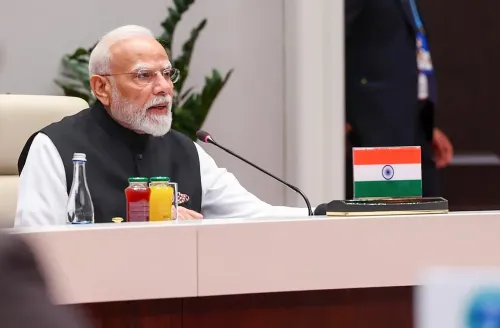
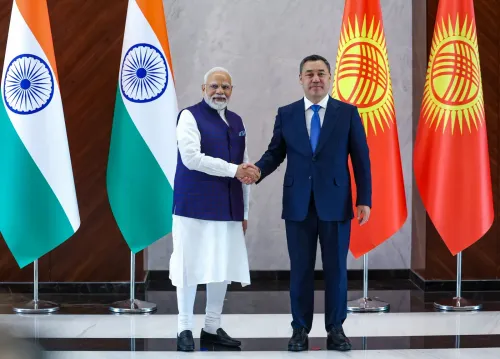
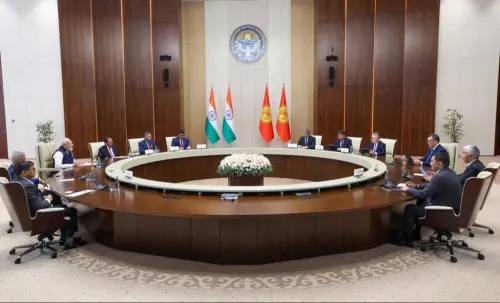
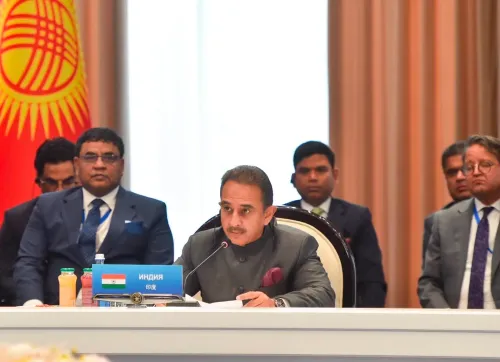
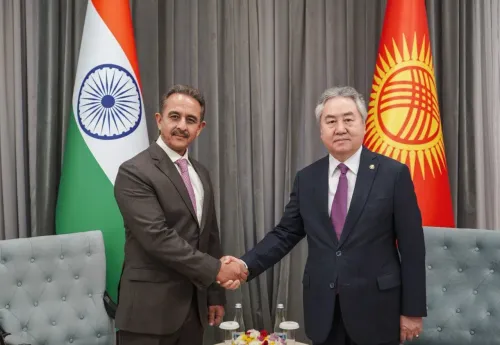
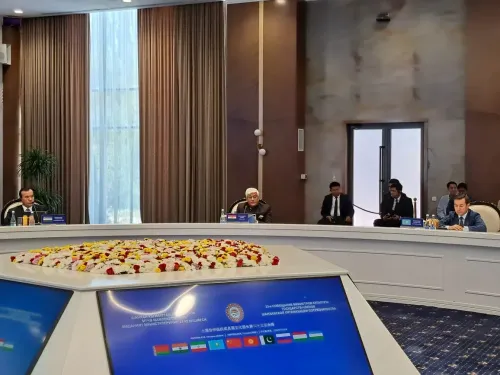
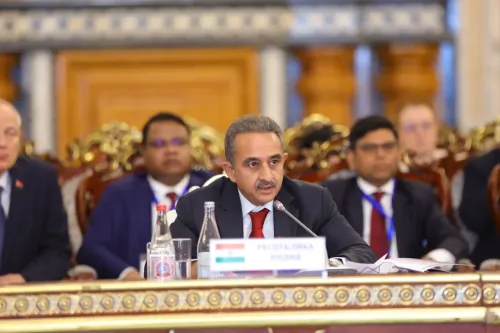
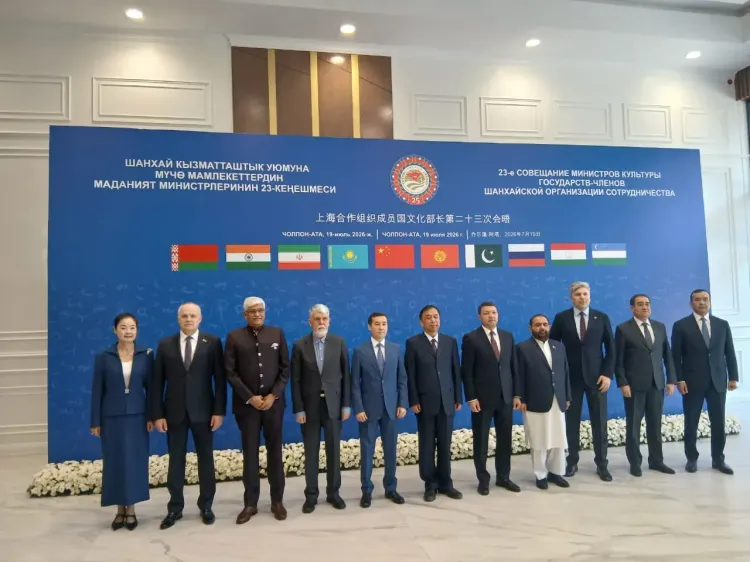
Union Minister of Culture Gajendra Singh Shekhawat on Sunday, 20 July 2026, represented India at the 23rd Meeting of the Ministers of Culture of the Shanghai Cooperation Organisation (SCO) Member States, held in Cholpon Ata, Kyrgyzstan. The meeting, running from 18 to 20 July 2026, brought together culture ministers from all 10 SCO member states under Kyrgyzstan's current chairmanship of the bloc.
Arrival and Welcome in Bishkek
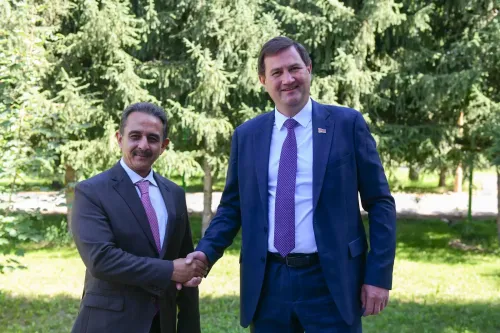
On Saturday, Shekhawat was received at Bishkek airport by Chinarbek Zholdoshev, Head of the Department of Cultural and Material Heritage of the Kyrgyz Republic, and Birender Singh Yadav, India's Ambassador to Kyrgyzstan. The Indian Embassy in Kyrgyzstan confirmed the minister's arrival and participation in a post on social media platform X, noting that he was 'warmly welcomed' ahead of the three-day ministerial gathering.
Kyrgyzstan's SCO Presidency Theme
Kyrgyzstan holds the SCO chairmanship for 2025–2026. President Sadyr Japarov has designated '25 Years of the SCO: Together Towards Sustainable Peace, Development, and Prosperity' as the overarching theme of the presidency — a framing that underscores the bloc's silver jubilee and its ambitions for multilateral cooperation across culture, security, and trade.
India's Broader SCO Engagement in 2026
Shekhawat's participation follows a pattern of high-level Indian ministerial presence at SCO platforms this year. In April 2026, Defence Minister Rajnath Singh attended the SCO Defence Ministers' Meeting in Bishkek, where he stressed the urgent need for a collective, uncompromising approach to tackling terrorism, separatism, and extremism.
Invoking Operation Sindoor, Singh stated that the operation 'demonstrated India's firm resolve that terrorism epicentres are no longer immune to justifiable punishment.' He called on SCO member states to dismantle safe havens and reject any political justification for terrorist acts, warning against 'selective approaches or double standards.' Singh also referenced the Tianjin Declaration of the previous year as a reaffirmation of India's zero-tolerance position.
SCO: Membership and Structure
The SCO was established on 15 June 2001, with founding members China, Russia, Kazakhstan, Kyrgyzstan, Tajikistan, and Uzbekistan. India and Pakistan joined in 2017, followed by Iran in 2023 and Belarus in 2024, bringing the total membership to 10 states. The bloc also has two observer states — Afghanistan and Mongolia — and 14 dialogue partners, including Turkey, Saudi Arabia, the UAE, Nepal, and Sri Lanka, among others.
India's sustained engagement across SCO ministerial tracks — from defence and culture to foreign affairs — signals New Delhi's intent to remain an active shaper of the bloc's agenda as it enters its third decade.
Point of View
Culture in July — reflect a deliberate strategy to stay visible inside a bloc where China and Russia set the dominant tone. The culture track may seem softer, but it is where narratives about civilisational identity and soft power are quietly contested. What is less clear is whether India's participation is translating into tangible agenda influence, or whether New Delhi is primarily showing up to avoid ceding ground. With Pakistan also at the table, every SCO ministerial is implicitly a diplomatic balancing act that goes well beyond the stated agenda.
NationPress
18 Oct 2026
Frequently Asked Questions
What is the SCO Culture Ministers' Meeting?
It is an annual ministerial-level gathering of culture ministers from the Shanghai Cooperation Organisation's member states, aimed at promoting cultural cooperation and dialogue across the bloc. The 23rd edition was held in Cholpon Ata, Kyrgyzstan, from 18 to 20 July 2026.
Why did Gajendra Singh Shekhawat attend the SCO meeting in Kyrgyzstan?
Shekhawat attended as India's representative to the 23rd SCO Culture Ministers' Meeting, reflecting New Delhi's active engagement across multiple SCO ministerial tracks in 2026. India has been a full SCO member since 2017.
Which country holds the SCO chairmanship in 2025–2026?
Kyrgyzstan holds the SCO chairmanship for 2025–2026. President Sadyr Japarov announced '25 Years of the SCO: Together Towards Sustainable Peace, Development, and Prosperity' as the presidency theme, marking the bloc's silver jubilee.
How many countries are members of the SCO?
The SCO currently has 10 member states: China, Russia, Kazakhstan, Kyrgyzstan, Tajikistan, Uzbekistan, India, Pakistan, Iran, and Belarus. It also has two observer states — Afghanistan and Mongolia — and 14 dialogue partners.
What did Defence Minister Rajnath Singh say at the SCO Defence Ministers' Meeting in April 2026?
Rajnath Singh called for a collective and uncompromising approach to terrorism, separatism, and extremism, urging SCO states to dismantle safe havens and reject political justifications for such acts. He invoked Operation Sindoor as evidence of India's resolve and warned against double standards in tackling state-sponsored cross-border terrorism.