Amit Shah: Bengal Taxi Drivers to Co-Own Bharat Taxi Under Sarathi MoU
Synopsis
Union Home Minister Amit Shah announced an MoU between West Bengal taxi operators and Bharat Taxi under the 'Sarathi' concept, granting every participating driver co-ownership of both their vehicle and the Bharat Taxi platform — extending the Ministry of Cooperation's worker-ownership mandate into urban transport.
Key Takeaways
An MoU has been signed between West Bengal taxi operators and Bharat Taxi under the 'Sarathi' cooperative concept.
Under the model, each participating taxi driver ('Sarathi') will be a co-owner of both their personal vehicle and the Bharat Taxi platform.
Union Home Minister Amit Shah announced the development on 20 July 2026 via posts in both Hindi and Bengali.
The initiative falls under the Ministry of Cooperation , established in 2021 , which promotes worker-owned models across sectors.
The West Bengal rollout could serve as a template for similar cooperative transport agreements in other Indian states.
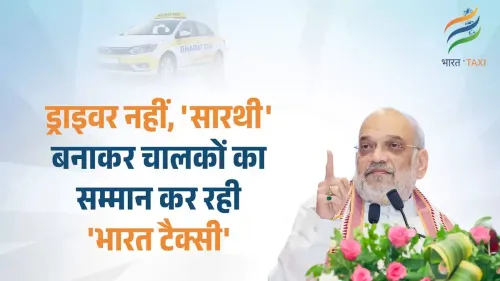
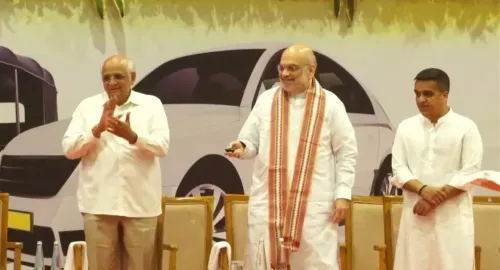
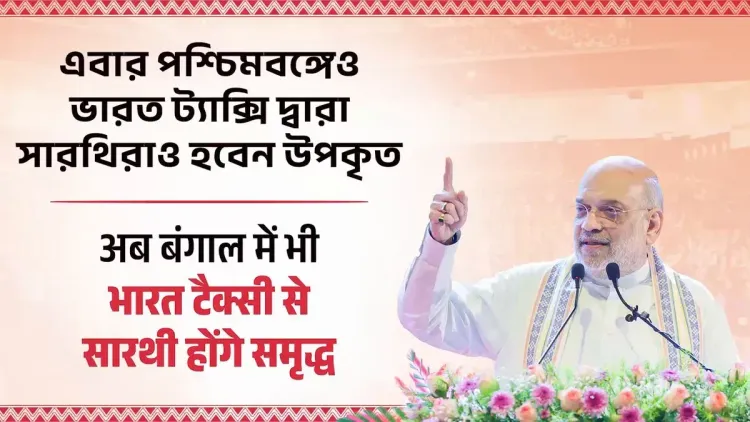
Union Home Minister Amit Shah announced on Sunday, 20 July 2026 that an MoU has been signed between taxi operators in West Bengal and Bharat Taxi under the 'Sarathi' concept, enabling every taxi driver to become a co-owner of both their vehicle and the Bharat Taxi platform.
Shah posted in Hindi and Bengali, stating: 'सारथी' कॉन्सेप्ट के तहत बंगाल की टैक्सियों का भारत टैक्सी के साथ MoU हुआ है ('Under the Sarathi concept, Bengal's taxis have entered an MoU with Bharat Taxi'), adding that each 'Sarathi' — meaning charioteer, used here to denote a taxi driver — will be an owner of both their car and Bharat Taxi.
Context
The announcement marks a significant push to bring cooperative ownership principles into urban road transport. Under the 'Sarathi' model, individual taxi drivers are positioned not merely as service providers but as stakeholders with ownership rights in the aggregator platform itself. The MoU with Bharat Taxi is the formal instrument through which this ownership structure is being extended to West Bengal's taxi fleet.
Shah shared the update in both Hindi and Bengali, signalling a deliberate outreach to the state's large population of taxi workers and the broader Bengali-speaking audience.
Policy Backdrop
The Ministry of Cooperation, created in 2021 under Shah's charge, was established specifically to promote cooperative and worker-owned models across economic sectors in India. Extending this framework to urban transport represents a new frontier for the ministry, which has previously focused on agriculture, dairy, and rural credit cooperatives.
The 'Sarathi' concept appears to adapt the cooperative ownership philosophy to the gig and platform economy, addressing a long-standing concern among cab drivers who operate on aggregator platforms without ownership stakes. By linking vehicle ownership with platform co-ownership, the model attempts to give drivers a dual asset base.
Stakeholders and Impact
West Bengal has a substantial population of taxi operators, including traditional yellow cabs and app-based drivers, who have historically raised concerns about commission structures and lack of ownership in platform businesses. The MoU with Bharat Taxi directly targets this constituency by offering a formal ownership stake in the aggregator.
If implemented as announced, each participating 'Sarathi' would hold ownership rights in both their personal vehicle and the Bharat Taxi enterprise, potentially altering income dynamics and bargaining power for taxi workers in the state. The broader implication for similar driver communities in other states will depend on whether the model is replicated through comparable MoUs elsewhere.
What's Next
The key watch point is the state-level rollout of this MoU and the operational terms governing how drivers will exercise their co-ownership rights within Bharat Taxi. Should the West Bengal experiment demonstrate measurable benefits for taxi workers, the Ministry of Cooperation is likely to pursue similar agreements in other states, potentially expanding the Sarathi model into a national framework for platform-based cooperative transport.
Point of View
Translating a rural cooperative philosophy into an urban gig-worker ownership model. By targeting West Bengal — a state where the BJP has invested heavily in expanding its political footprint — the announcement carries both policy and electoral weight. The dual-ownership structure, if operationally sound, could become a counter-narrative to the aggregator-versus-driver tension that has fuelled protests across Indian cities. The real test will be whether the MoU translates into enforceable ownership rights or remains a symbolic gesture ahead of electoral cycles.
NationPress
20 Jul 2026
Frequently Asked Questions
What is the Sarathi concept announced by Amit Shah?
The Sarathi concept is a cooperative ownership model under which taxi drivers become co-owners of both their personal vehicle and the Bharat Taxi aggregator platform, rather than simply operating as service providers on a commission basis.
What is the Bharat Taxi MoU with West Bengal taxis about?
An MoU has been signed between taxi operators in West Bengal and Bharat Taxi under the Sarathi concept, formally establishing the co-ownership structure for participating drivers in the state.
Which ministry is behind the Sarathi taxi ownership scheme?
The initiative falls under the Ministry of Cooperation , headed by Union Home Minister Amit Shah , which was created in 2021 to promote worker-owned and cooperative models across economic sectors in India.
Will Sarathi scheme be extended to other states beyond West Bengal?
As of the announcement, the MoU covers West Bengal. Observers expect that a successful rollout could prompt similar agreements in other states, but no formal expansion has been announced yet.
How will taxi drivers benefit from the Bharat Taxi co-ownership model?
Under the model, each participating driver is set to hold ownership rights in both their vehicle and the Bharat Taxi platform, potentially improving income security and giving them a stake in the platform's revenues rather than operating purely on commission.