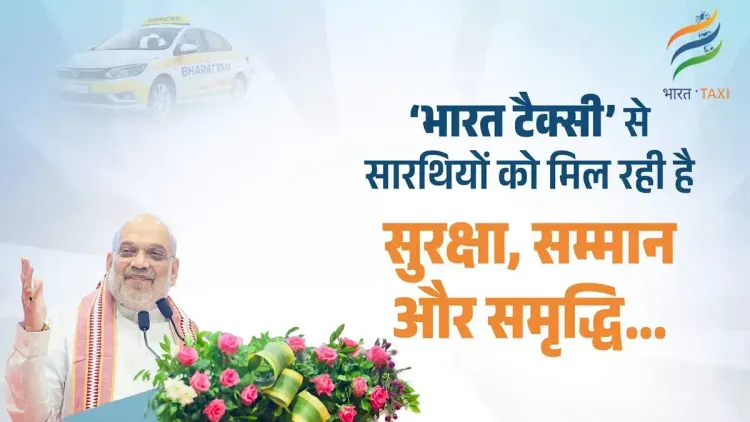
Amit Shah: Taxi drivers now own their vehicles, gain dignity
Synopsis
Union Home Minister Amit Shah has said that taxi drivers linked to Bharat Taxi are now vehicle owners, gaining dignity, security, and prosperity — a statement that underscores the government's sustained push for asset ownership and financial inclusion among informal transport workers through schemes such as PMMY.
Key Takeaways
Amit Shah stated on 27 June 2026 that Bharat Taxi drivers have transitioned from hired workers to vehicle owners.
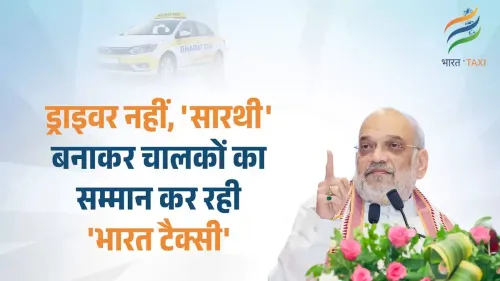
Shah used the term Sarthi (driver/charioteer) and said ownership is bringing them samman, suraksha aur samridhi — dignity, security, and prosperity.
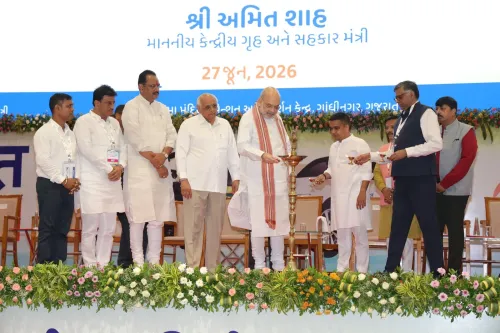
The post was accompanied by a video , suggesting a link to a formal event or programme related to driver welfare.
The Pradhan Mantri Mudra Yojana , launched in 2015 , has been a key policy instrument enabling transport workers to purchase vehicles through collateral-free loans.
Shah's framing aligns with the government's broader narrative of converting informal-sector wage earners into asset-holding, self-employed entrepreneurs.
Possible follow-up measures may include updated credit-linkage targets or driver-welfare provisions in the next Union Budget cycle.
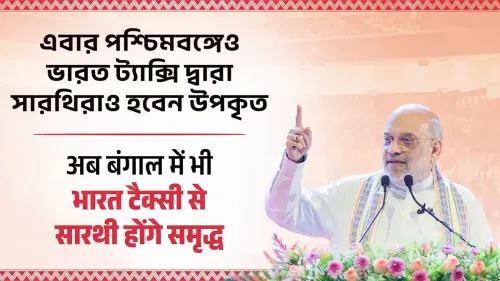
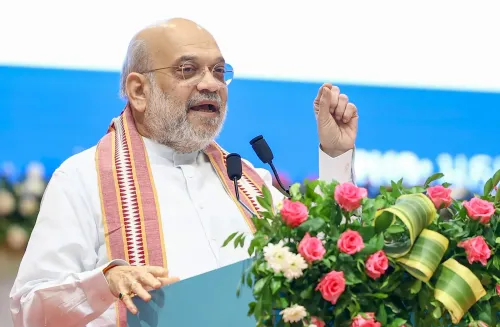
Union Home Minister Amit Shah on Saturday, 27 June 2026 said that taxi drivers associated with Bharat Taxi have today become owners of their vehicles, gaining what he described as honour, security, and prosperity.
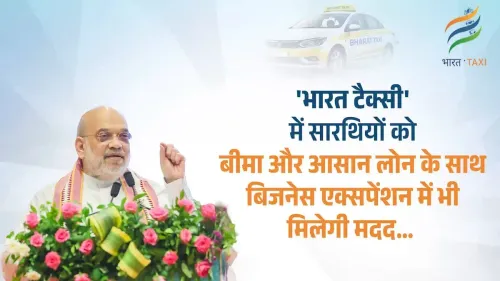
Posting on X, Shah wrote: 'Bharat Taxi se jude Sarthi aaj iske malik hain, isse unhe samman, suraksha aur samridhi mil rahi hai' — 'The Sarathis (drivers) associated with Bharat Taxi are today its owners; this is bringing them dignity, security, and prosperity.'
Context
The statement centres on Bharat Taxi, a platform or initiative linked to taxi operators, and the transition of drivers — referred to by the traditional term Sarthi (charioteer/driver) — from hired workers to vehicle owners. Shah's framing highlights a shift in economic status, positioning ownership as the marker of empowerment for workers in the transport sector.
The remark is accompanied by a video, suggesting the post is tied to a formal event or launch related to driver welfare, though specific details of the occasion were not disclosed in the post itself.
Policy Backdrop
The government's push for vehicle ownership among transport workers has a clear policy lineage. The Pradhan Mantri Mudra Yojana (PMMY), launched in 2015, extended collateral-free loans to non-corporate small enterprises, including for the purchase of commercial vehicles. This enabled many informal-sector drivers to acquire assets that were previously out of reach.
Shah, who also holds the portfolio of Minister of Cooperation, has consistently championed cooperative and self-employment models as vehicles for economic inclusion. The framing of driver-as-owner aligns with the broader government narrative of converting wage earners in the gig and transport economy into asset-holding entrepreneurs.
Stakeholders and Impact
The primary beneficiaries highlighted are taxi drivers — both those operating on app-based platforms and those in the traditional sector — who have accessed credit or cooperative structures to own their vehicles. For this segment of the workforce, ownership translates into higher earnings retention, reduced dependency on fleet operators, and greater job security.
Senior ministers have periodically spotlighted gains in vehicle ownership and formalised earnings among such operators, messaging that has accompanied successive iterations of MSME and gig-economy support measures since the mid-2010s. Shah's post continues this pattern, reinforcing the government's narrative of financial inclusion for informal workers.
What's Next
Attention will now turn to whether this messaging precedes concrete policy announcements — such as updated credit-linkage targets for transport workers or new driver-welfare provisions — during the next Union Budget cycle or an upcoming parliamentary session on transport regulation. Any expansion of the Bharat Taxi framework or Mudra loan sub-targets for the sector would be the logical next step consistent with the direction Shah has signalled.
Point of View
Framing a transport-sector welfare outcome as proof that the government's financial inclusion architecture — anchored by schemes like PMMY — is delivering tangible ownership gains for informal workers. By invoking the word Sarthi, he connects a modern gig-economy story to a culturally resonant identity, reinforcing the BJP's consistent pitch to aspirational, lower-middle-class constituencies. The Cooperation Ministry angle is also significant: it signals that cooperative and collective-ownership models, not just individual credit, are being positioned as pathways for worker empowerment. If concrete metrics or a formal scheme expansion follow, this post will mark the rhetorical opening of a larger policy push.
NationPress
26 Sept 2026
Frequently Asked Questions
What did Amit Shah say about Bharat Taxi drivers?
Amit Shah said that taxi drivers associated with Bharat Taxi have today become owners of their vehicles, and that this ownership is bringing them dignity, security, and prosperity.
What is Bharat Taxi?
Bharat Taxi is a taxi platform or initiative referenced by Shah in the context of driver ownership and welfare; it appears to be linked to a government-backed or cooperative model enabling drivers to own their vehicles.
How does the Pradhan Mantri Mudra Yojana help taxi drivers?
The Pradhan Mantri Mudra Yojana, launched in 2015, provides collateral-free loans to small enterprises including transport workers, enabling taxi drivers to purchase their own vehicles and transition from hired workers to owner-operators.
What does 'Sarthi' mean in the context of Amit Shah's post?
'Sarthi' is a Hindi word meaning charioteer or driver. Shah used it to refer to taxi drivers, connecting their modern role to a culturally significant identity while highlighting their new status as vehicle owners.
What policy changes could follow Amit Shah's statement on taxi driver ownership?
Possible follow-up measures include updated credit-linkage targets for transport workers, new driver-welfare provisions, or an expansion of the Bharat Taxi framework, which could be announced during the next Union Budget or a parliamentary session on transport regulation.