Giriraj Singh pays tribute to Syama Prasad Mookerjee at park
Synopsis
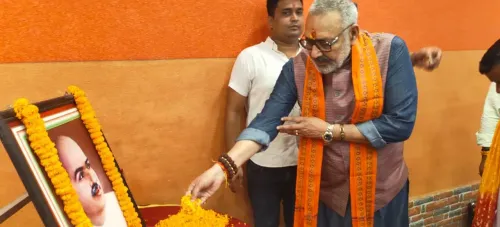
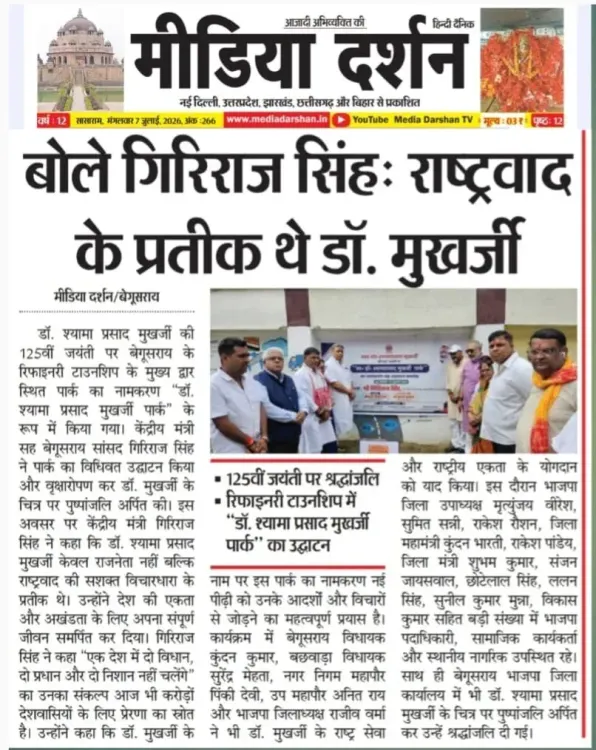
Union Textiles Minister Giriraj Singh on 7 July 2026 paid tribute to Dr. Syama Prasad Mookerjee at a park named in his honour, calling the naming a resolve to keep the BJP ideological forebear's 'nation first' values alive for future generations.
Key Takeaways
Giriraj Singh , Union Minister of Textiles and senior BJP leader, posted a tribute to Dr.
Syama Prasad Mookerjee on 7 July 2026 .
Singh described the naming of a park after Mookerjee as a 'resolve to keep his ideas alive from generation to generation,' not merely a formality.
Mookerjee founded the Bharatiya Jana Sangh in 1951 , which is the ideological precursor to the BJP, and championed 'nation first' and full integration of Jammu and Kashmir .
The post was shared a day after Mookerjee's birth anniversary on 6 July , a period of heightened commemorative activity within the BJP.
The specific location and inauguration date of the park were not disclosed in the post.
The tribute reflects the BJP's broader practice of memorialising nationalist figures through public infrastructure naming.
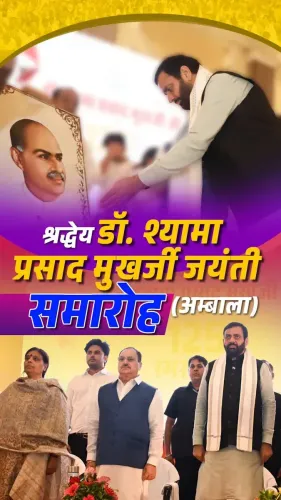
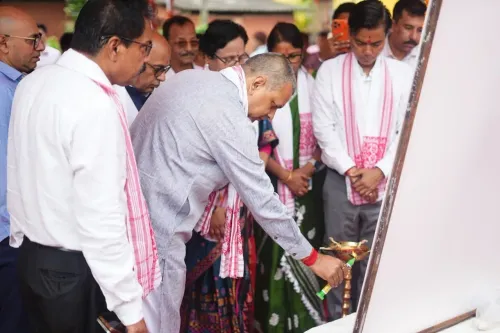
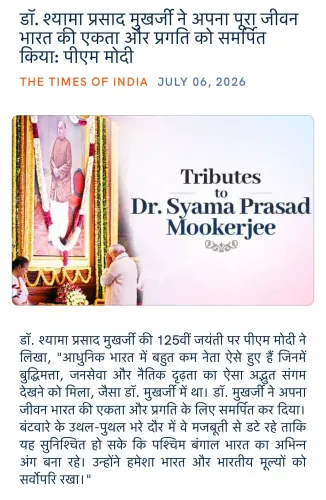
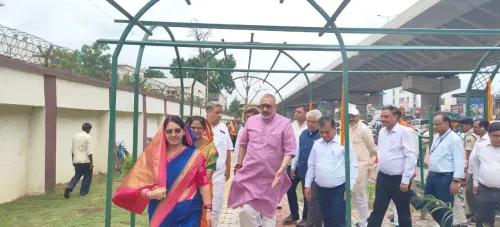
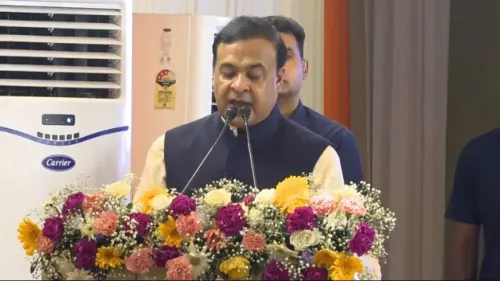
Union Textiles Minister Giriraj Singh on Tuesday, 7 July 2026, paid tribute to Dr. Syama Prasad Mookerjee, founder of the Bharatiya Jana Sangh, invoking his 'nation first' philosophy on the occasion of a park named in his honour. Singh posted on X, sharing images from the event and reflecting on the significance of naming public spaces after national figures.
Context
In his post, Singh wrote — 'महापुरुषों के नाम पर किसी स्थान का नामकरण केवल एक औपचारिकता नहीं, बल्कि उनके विचारों को पीढ़ी-दर-पीढ़ी जीवंत रखने का संकल्प होता है' — meaning: 'Naming a place after a great figure is not merely a formality, but a resolve to keep their ideas alive from generation to generation.' He added that Dr. Mookerjee's 'nation first' ideal would remain an enduring source of inspiration, and that the park established in his name would continue to motivate future generations toward his ideals and service to the nation.
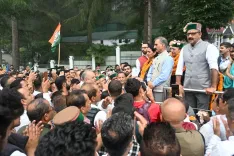
The post was accompanied by four images, suggesting Singh was present at or associated with a park inauguration or dedication event, though the specific location and date of the park's establishment were not disclosed in the post.
Policy Backdrop
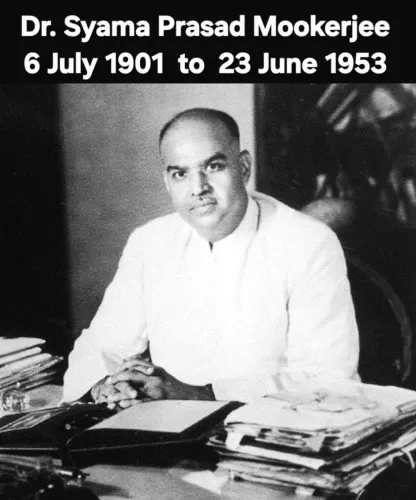
Dr. Syama Prasad Mookerjee (1901–1953) was a Bengali politician, educationist and the founder of the Bharatiya Jana Sangh in 1951. He championed the full integration of Jammu and Kashmir into India and popularised the principle of integral nationalism, encapsulated in the phrase 'nation first.' He died in detention in June 1953 while protesting restrictions on entry into Jammu and Kashmir.
The Bharatiya Jana Sangh later merged into the Janata Party and is widely regarded as the ideological precursor to the present-day Bharatiya Janata Party (BJP). Mookerjee is venerated within the BJP's ideological tradition as a foundational figure, and his birth anniversary on 6 July is regularly observed by party leaders across the country.
Stakeholders and Impact
The naming of public parks, roads and institutions after historical figures is an established practice across Indian central and state governments. For the BJP in particular, such memorials serve to highlight nationalist figures associated with the party's ideological lineage, keeping their legacy visible to the general public and younger generations.
Singh's post explicitly frames the park not as a ceremonial gesture but as a 'resolve' — a word that signals an intent to embed Mookerjee's values of national integration and public service into civic life. For residents and visitors, such spaces often function as sites of political memory and community engagement.
What's Next
With Dr. Mookerjee's birth anniversary falling on 6 July — just a day before this post — the tribute aligns with a period of heightened commemorative activity within the BJP. Further announcements of memorials, road renamings or institutional dedications in Mookerjee's name at the state or central level are possible in the days ahead. His death anniversary on 23 June is another occasion that typically prompts similar commemorative events. The broader pattern of naming public infrastructure after ideological forebears is expected to continue as part of the party's cultural outreach.
Point of View
Timed a day after Dr. Mookerjee's birth anniversary on 6 July, is consistent with the BJP's sustained effort to embed its ideological lineage into public civic spaces. By framing the park naming as a 'resolve' rather than a ritual, Singh elevates it from ceremony to political statement — signalling that Mookerjee's 'nation first' doctrine remains a living principle for the party, not merely historical memory. This pattern of memorialisation serves a dual purpose: reinforcing intra-party identity and communicating cultural nationalism to a broader electorate. As the BJP approaches future electoral cycles, such commemorative acts are likely to intensify, particularly around key anniversary dates.
NationPress
7 Jul 2026
Frequently Asked Questions
Who is Dr. Syama Prasad Mookerjee?
Dr. Syama Prasad Mookerjee (1901–1953) was an Indian politician, educationist and the founder of the Bharatiya Jana Sangh in 1951, widely regarded as the ideological precursor to the BJP. He championed the full integration of Jammu and Kashmir and the principle of 'nation first.'
Why did Giriraj Singh pay tribute to Syama Prasad Mookerjee?
Giriraj Singh paid tribute on 7 July 2026, a day after Mookerjee's birth anniversary on 6 July, at a park named in his honour. Singh stated that naming public spaces after great figures is a resolve to keep their ideals alive for future generations.
What is the significance of naming a park after Syama Prasad Mookerjee?
Naming a park after Mookerjee is part of the BJP's broader practice of memorialising nationalist figures associated with its ideological lineage. Such spaces serve as sites of political memory and are intended to inspire younger generations with values of national integration and public service.
When is Syama Prasad Mookerjee's birth anniversary?
Dr. Syama Prasad Mookerjee's birth anniversary falls on 6 July. His death anniversary is observed on 23 June, both of which are regularly marked by BJP leaders with commemorative events.
What party did Syama Prasad Mookerjee found?
Dr. Syama Prasad Mookerjee founded the Bharatiya Jana Sangh in 1951. The party later merged into the Janata Party and is considered the ideological forerunner of the present-day Bharatiya Janata Party (BJP).