Odisha CMO Announces Extensive Arrangements for Rath Yatra 2026

Synopsis
The Chief Minister's Office of Odisha announced on 7 July 2026 that extensive multi-department arrangements — covering security, health, sanitation, traffic, and special trains — have been put in place for the 2026 Rath Yatra at Puri, with the state government pledging a safe and spiritually fulfilling experience for every pilgrim.
Key Takeaways
The Chief Minister's Office of Odisha announced comprehensive arrangements for Rath Yatra 2026 on 7 July 2026 .
Measures cover security, health, sanitation, traffic control , and special train services for pilgrims.
The festival is held at Shrikhetra (Puri) , one of India's four dhams, and is among the world's largest religious processions.
The state government described its 'foremost resolve' as making the festival 'safe, orderly and flawless' for every devotee.
The announcement reflects Odisha's established practice of treating the Rath Yatra as both a cultural event and a large-scale public-safety exercise.
Post-festival execution reports and coordination with Indian Railways on special trains will be key indicators of preparedness.
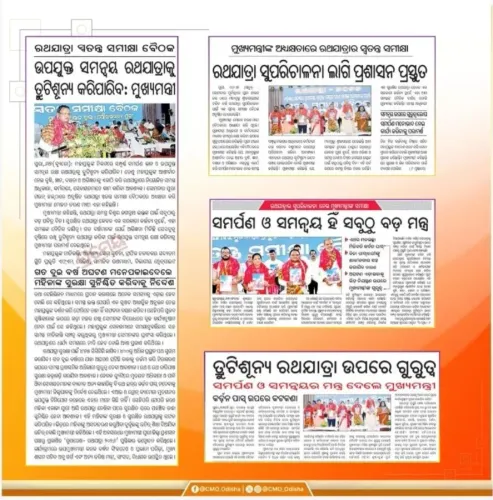
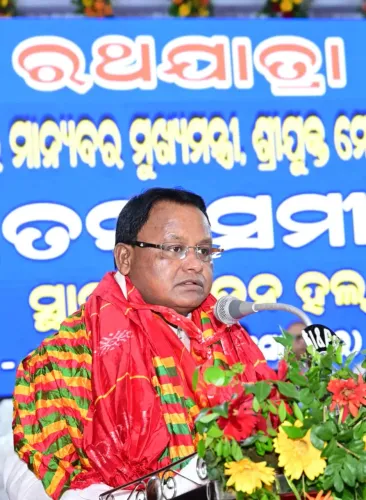
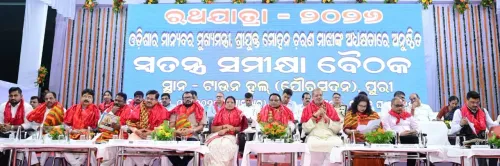
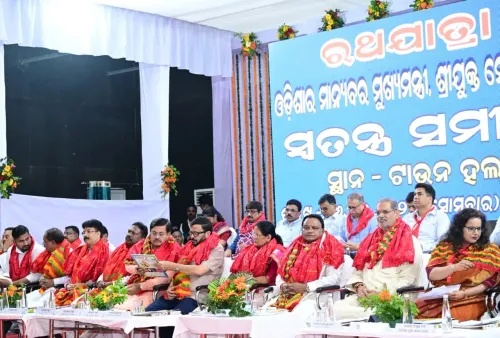
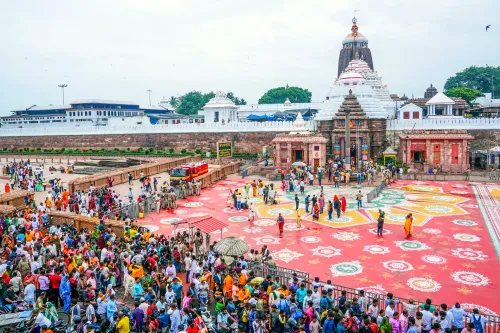
The Chief Minister's Office of Odisha announced on Tuesday, 7 July 2026 that comprehensive administrative arrangements have been put in place for the world-famous Rath Yatra of Mahaprabhu Shri Jagannath, describing the festival as the supreme symbol of Odia identity. The state government outlined measures spanning security, health, sanitation, traffic control, and special train services to serve the lakhs of devotees expected to converge on Shrikhetra.
Context
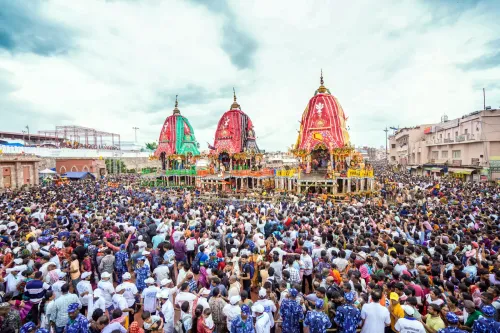
The Rath Yatra at Puri is one of the world's largest religious processions, drawing millions of pilgrims annually to pull the chariots of Lord Jagannath, Balabhadra, and Subhadra along the Grand Road (Bada Danda). Puri, known traditionally as Shrikhetra, is one of India's four sacred dhams and the spiritual heartland of Odisha. The festival's scale makes it one of the most logistically demanding public events the state administration manages each year.
The CMO's post, written in Odia, stated that 'extensive arrangements have been made by the administration for the smooth conduct of the world-famous Rath Yatra of Mahaprabhu Shri Jagannath, the greatest symbol of Odia identity.' It added that the state government's 'foremost resolve is to make this sacred union of devotee and God safe, orderly and flawless, and to provide every pilgrim a pleasant spiritual experience.'
Policy Backdrop
The Government of Odisha has a long-standing practice of deploying multi-department operations for the Rath Yatra, treating it simultaneously as a cultural heritage event and a large-scale public-safety exercise. Arrangements typically involve coordination between the state police, health department, municipal bodies, and railway authorities. The deployment of special trains is a recurring feature, easing pressure on road transport and enabling pilgrims from across India to reach Puri with greater convenience.
Sanitation and medical cover have in recent years been prioritised alongside crowd management, reflecting a broader pattern seen across Indian states that host major religious gatherings. The explicit mention of traffic control signals heightened attention to movement management within and around the Jagannath Temple precinct during peak congregation hours.
Stakeholders and Impact
The primary beneficiaries of these arrangements are the lakhs of pilgrims — domestic and international — who travel to Shrikhetra for the Rath Yatra. Smooth logistics directly affect the safety and spiritual experience of devotees, many of whom are elderly or travel long distances. Local residents, traders, and hospitality providers in Puri are also stakeholders, as orderly festival management sustains the city's reputation as a pilgrimage destination.
The announcement also carries symbolic weight: by framing the festival as the 'greatest symbol of Odia identity,' the state government underscores the cultural and emotional significance of Rath Yatra beyond its religious dimensions, positioning administrative preparedness as an act of cultural stewardship.
What's Next
Execution of these arrangements will be closely watched as the 2026 Rath Yatra unfolds. Post-festival assessments — particularly on crowd management, the performance of special train services, and health infrastructure — will determine how effectively the state's preparations translated into ground-level outcomes. Coordination with Indian Railways on special train schedules and with district administrations on last-mile connectivity will be critical in the days ahead.
Point of View
' the government signals that administrative competence here carries cultural and political resonance beyond mere logistics. The multi-department framing — spanning railways, health, police, and sanitation — reflects a maturing model of festival governance that other states with large pilgrim-drawing events have increasingly sought to emulate. How smoothly the 2026 edition unfolds will serve as a real-time audit of that model.
NationPress
7 Jul 2026
Frequently Asked Questions
When is Rath Yatra 2026 in Puri?
Rath Yatra 2026 is the annual chariot festival at Puri, Odisha. The Chief Minister's Office announced preparations on 7 July 2026, indicating the festival was imminent or underway around that date.
What arrangements has the Odisha government made for Rath Yatra 2026?
The Odisha government has announced arrangements covering security, health services, sanitation, traffic control, and special train services to manage the large influx of pilgrims at Shrikhetra (Puri) for Rath Yatra 2026.
How many people attend Rath Yatra at Puri?
The Rath Yatra at Puri draws lakhs — and in peak years millions — of devotees. The CMO's announcement specifically referenced arrangements for the 'lakhs of pilgrims' expected to arrive at Shrikhetra.
Are there special trains for Rath Yatra 2026?
Yes. The Chief Minister's Office of Odisha confirmed that special train services are part of the extensive arrangements made for Rath Yatra 2026 to facilitate pilgrim travel to Puri.