Giriraj Singh tries his hand at handloom, pledges better pay for weavers
Synopsis
Union Textiles Minister Giriraj Singh worked a handloom on 3 August 2026 to understand weavers' craft firsthand, pledging easier working conditions, better facilities, and fair income for India's handloom community.
Key Takeaways
Giriraj Singh personally operated a handloom on 3 August 2026 to experience the skill and labour involved.
He committed to making work more convenient for weavers and expanding their access to facilities and opportunities.
The minister explicitly linked weaver welfare to both income growth and social dignity.
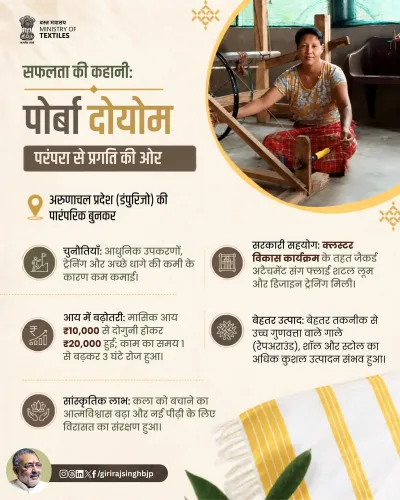
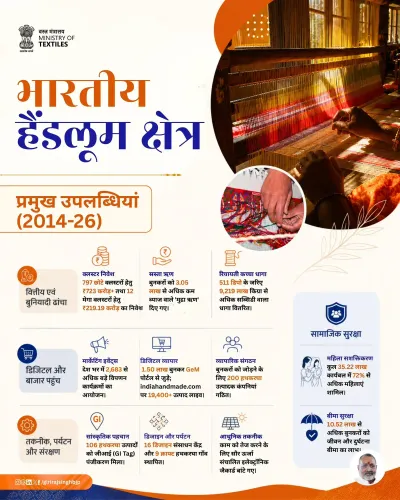
India's handloom sector is one of the country's largest rural employment bases, spanning states from West Bengal to Tamil Nadu.
Policy tools used historically include credit linkages, handloom expos, and geographical indication protections for iconic weaves.
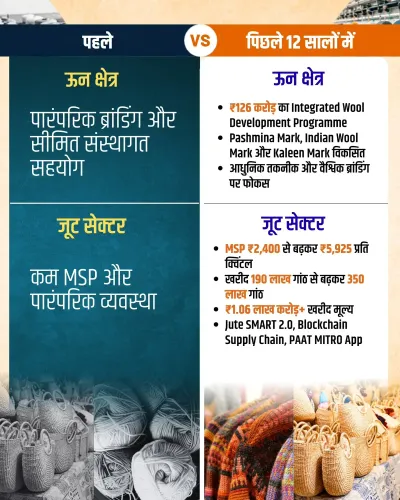
Budget allocations for handloom schemes and any movement on minimum support pricing will be the next real test of these commitments.
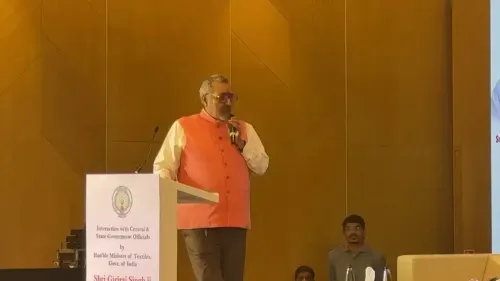
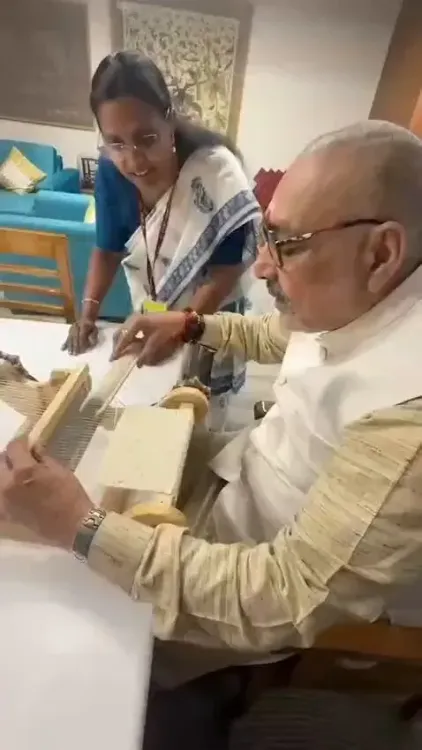
Union Textiles Minister Giriraj Singh sat down at a handloom on Monday, 3 August 2026, and worked the loom himself — an act he says gave him a firsthand feel for the skill, labour, and process that millions of Indian weavers bring to every thread they weave.
Posting about the experience on X, Singh wrote: 'आज हथकरघा पर कार्य कर इस कला के कौशल, श्रम और प्रक्रिया को समझने का प्रयास किया' — 'Today I tried working on a handloom to understand the skill, labour, and process behind this art.' He added that every thread woven on a handloom tells the story of the weaver's extraordinary skill and hard work, and that the ministry's aim is to make their work easier, provide better facilities and new opportunities, and ensure fair value for their effort — so that both their income and dignity grow.
What the minister found behind the loom
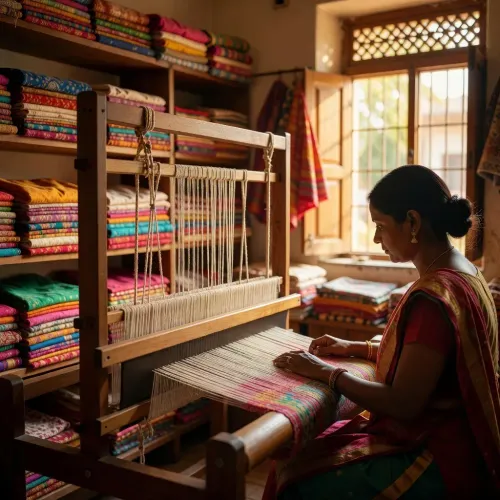
The handloom sector is one of India's largest rural employment bases, woven into the economic fabric of states from West Bengal and Assam to Uttar Pradesh, Andhra Pradesh, and Tamil Nadu. It is almost entirely decentralised — most weavers work from home or in small clusters, with little bargaining power over what they earn for finished cloth. Singh's hands-on session appears designed to bridge exactly that distance between policymaker and practitioner. Successive governments have run programmes targeting this sector: credit linkages, handloom expos to open direct marketing channels, and geographical indication tags that protect iconic weaves like Banarasi silk and Pochampally ikat. The challenge has always been the last mile — ensuring those schemes translate into actual income gains at the loom.The three commitments Singh put on record
Singh's post laid out three concrete goals for his ministry: making work more convenient for weavers, expanding access to better facilities and new opportunities, and securing a fair price for their labour. The explicit mention of dignity alongside income is notable — it signals an intent to frame weaver welfare not just as an economic target but as a question of social recognition for a craft that has defined Indian textile identity for centuries. With the next Union Budget cycle approaching, the ministry's stated priorities will be measured against actual allocations for handloom schemes, cluster development programmes, and any movement on minimum support price frameworks for handwoven fabric. The minister has now put those benchmarks in public view — in his own words, from behind a loom.Point of View
But the policy substance underneath it is real: the handloom sector has long suffered from a gap between well-intentioned schemes and ground-level income gains. By putting the words 'dignity' and 'fair value' on record publicly, the minister has created a benchmark against which the next budget's handloom allocations will inevitably be judged. The move also fits a broader BJP pattern of ministers visibly engaging with artisan communities ahead of election cycles, blending cultural nationalism with welfare politics. Whether it translates into structural change — minimum support pricing, stronger cluster infrastructure — or remains symbolic will define the legacy of this tenure at the textiles ministry.
NationPress
3 Aug 2026
Frequently Asked Questions
Why did Giriraj Singh work on a handloom?
Singh worked on a handloom on 3 August 2026 to personally understand the skill, labour, and process involved in weaving, framing it as part of his effort to shape better policy for weavers.
What did Giriraj Singh promise for handloom weavers?
He pledged to make their work more convenient, provide better facilities and new opportunities, and ensure fair remuneration so that both their income and social dignity increase.
How big is India's handloom sector?
India's handloom sector is one of the country's largest rural employment bases, operating in a decentralised manner across states including West Bengal, Assam, Uttar Pradesh, Andhra Pradesh, and Tamil Nadu.
What government schemes exist for handloom weavers in India?
Past and ongoing support measures have included credit linkage programmes, handloom expos for direct marketing, and geographical indication tags protecting iconic weaves such as Banarasi silk and Pochampally ikat.
What should we watch next on handloom policy?
The key indicators will be Union Budget allocations for handloom schemes, any new cluster development guidelines, and movement on minimum support price frameworks for handwoven fabric.