Goa CM Reaffirms Push for Child Welfare, Social Infrastructure
Synopsis
The Chief Minister's Office of Goa on June 6, 2026 reaffirmed CM Pramod Sawant's commitment to strengthening social infrastructure and ensuring holistic child development under the Swayampurna Goa initiative, signalling continued policy focus on quality welfare facilities statewide.
Key Takeaways
The Chief Minister's Office of Goa shared CM Pramod Sawant's reaffirmation of commitment to child welfare on June 6, 2026 .
The statement is anchored under the Swayampurna Goa scheme, the state's flagship self-reliance and holistic development initiative.
Focus areas include quality facilities and welfare initiatives for children across the state.
Goa has been expanding Integrated Child Development Services and related programmes since 2019 .
The policy aligns with national frameworks including the National Education Policy and child protection laws.
Future budget allocations and assembly-session rollout reports will be key tests of the commitment.
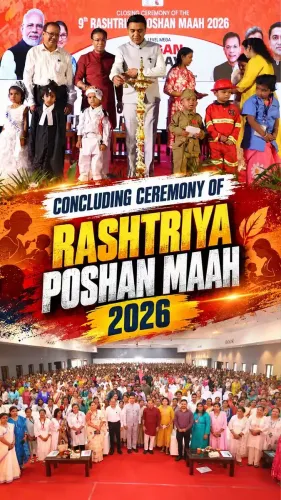
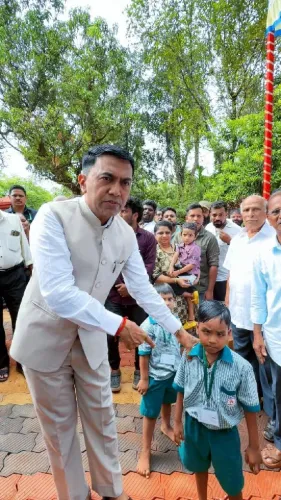
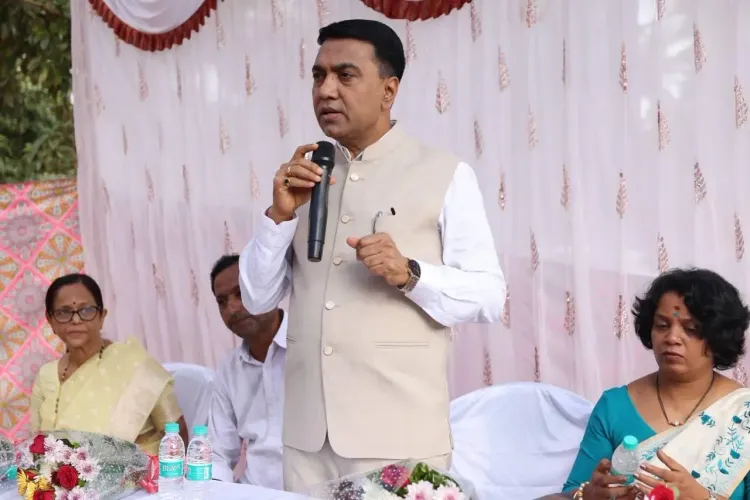
The Chief Minister's Office of Goa, on Saturday, June 6, 2026, shared that Chief Minister Pramod Sawant has reaffirmed the state government's commitment to strengthening social infrastructure and ensuring the holistic development of children through quality facilities and welfare initiatives across Goa.
The statement, shared under the hashtag #SwayampurnaGoa (Goa that is self-reliant), underlines the administration's stated intent to make child welfare a central pillar of governance. CM Sawant's office indicated that the government is focused on delivering quality facilities and targeted welfare programmes to children and families throughout the state.
Context
Goa has, over the past several years, worked to pair its well-known economic and tourism-driven growth with incremental investments in social infrastructure. Facilities such as schools, anganwadis (community childcare centres), and primary health centres have been part of successive state budget priorities. The latest statement signals a continuing policy posture rather than a one-off announcement. The Swayampurna Goa scheme, which serves as the broader programmatic umbrella for this push, was conceived to promote self-reliance and holistic development across multiple sectors, including social welfare, agriculture, and livelihoods. Child-centric services form one of its key verticals, aligning the state's grassroots delivery mechanisms with national frameworks.Policy Backdrop
Since 2019, when CM Pramod Sawant assumed office, the Government of Goa has progressively expanded its engagement with Integrated Child Development Services (ICDS) and related child welfare schemes through annual budget provisions. These efforts mirror a broader national trend in which states are tasked with operationalising frameworks such as the National Education Policy (NEP) and child protection statutes at the local level. The emphasis on 'holistic development' in the CM's statement is consistent with the language and goals of the NEP, which calls for early childhood care and education to be treated as a foundational investment. Goa's relatively small population and higher per-capita revenue base compared to larger states give it a structural advantage in rolling out such programmes with greater per-beneficiary impact.Stakeholders and Impact
The primary beneficiaries of these initiatives are Goa's children and their families, particularly those dependent on state-run facilities in semi-urban and rural pockets of the state. Anganwadi workers, school teachers, and frontline health workers are among the delivery agents whose capacity and infrastructure directly determine outcomes for children. For families, the quality of social infrastructure — from nutrition programmes to school buildings to child protection mechanisms — has a direct bearing on educational attainment and long-term welfare. Advocacy groups working on child rights in the state have consistently called for greater transparency in scheme implementation and outcome tracking.What's Next
Attention will now turn to the Government of Goa's forthcoming budget sessions and assembly proceedings, where allocations under Swayampurna Goa and related child welfare heads will be scrutinised for whether the stated commitment translates into measurable funding and on-ground delivery. Rollout reports and third-party assessments of scheme outcomes are expected to be key indicators of progress. The administration's ability to demonstrate concrete improvements in child welfare metrics will ultimately define the legacy of this policy thrust.Point of View
Which has the fiscal headroom that larger states lack, the real test is not intent but delivery density — whether anganwadis are staffed, schools are functional, and nutrition outcomes are improving. The statement's timing, mid-year and ahead of potential budget deliberations, suggests the administration is laying rhetorical groundwork for fresh allocations. Analysts will watch whether this translates into auditable targets rather than aspirational language.
NationPress
21 Oct 2026
Frequently Asked Questions
What is Swayampurna Goa?
Swayampurna Goa is a state government scheme aimed at promoting self-reliance and holistic development across sectors including social welfare, agriculture, and livelihoods in Goa.
What did Goa CM Pramod Sawant say about child welfare?
CM Pramod Sawant stated that the Government of Goa remains committed to strengthening social infrastructure and ensuring holistic development of children through quality facilities and welfare initiatives across the state.
What child welfare programmes does the Goa government run?
The Goa government runs programmes under the Integrated Child Development Services (ICDS) framework, including anganwadi-based nutrition and early childhood care services, aligned with national child welfare and education policies.
How does Goa's child welfare policy connect to the National Education Policy?
Goa's focus on holistic child development mirrors the National Education Policy's emphasis on early childhood care and education as a foundational investment, with the state tasked with local-level implementation.
What should I watch for next on Goa's child welfare plans?
Key indicators to watch include state budget allocations for child welfare under Swayampurna Goa, rollout reports presented in assembly sessions, and third-party assessments of scheme outcomes on the ground.