Goa CM Sawant Engages NITI Aayog in Governance Exchange
Synopsis
Goa Chief Minister Pramod Sawant replied to NITI Aayog on X on 18 July 2026, sharing four images in a public governance exchange. The interaction reflects the growing trend of state leaders engaging with the central think tank on social media as part of India's cooperative federalism framework.
Key Takeaways
Goa Chief Minister Pramod Sawant replied to @NITIAayog on X on 18 July 2026 , attaching four images.
The exchange is part of a broader pattern of chief ministers publicly engaging with NITI Aayog on governance and performance data.
NITI Aayog was established in January 2015 to replace the Planning Commission and foster competitive and cooperative federalism.
Goa regularly features in NITI Aayog state indices covering SDGs, health, and infrastructure.
CM Sawant has led Goa since 2019 and has been an active participant in digital governance signalling.
Goa Chief Minister Pramod Sawant replied to NITI Aayog on Saturday, 18 July 2026, sharing images in what appears to be part of an ongoing governance dialogue between the state administration and the central policy think tank.
Context
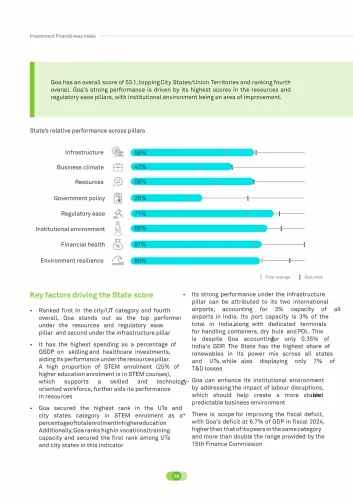
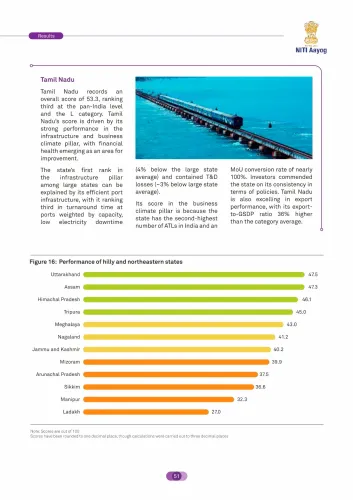
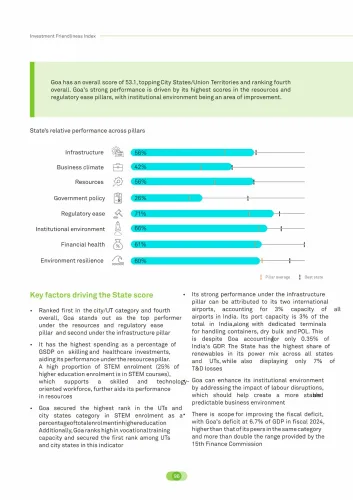
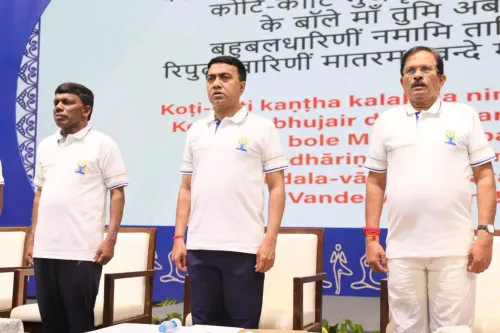
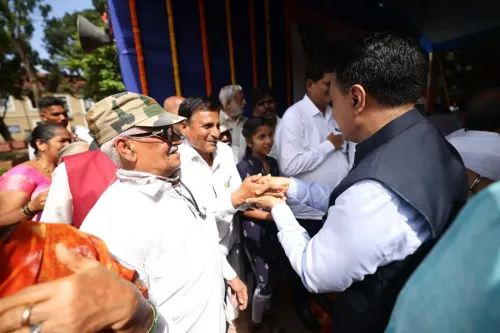
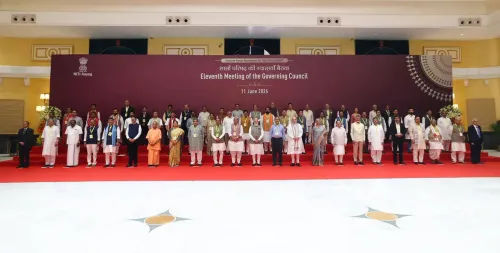
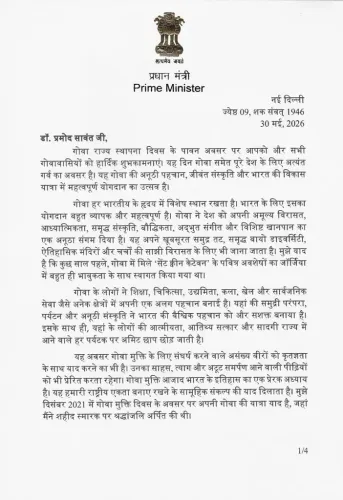
The post, shared from Sawant's official X account, is a direct reply to @NITIAayog and contains four images, the specific content of which has not been independently detailed in the post text. Such exchanges between state chief ministers and NITI Aayog are a recurring feature of India's cooperative federalism architecture, where states publicly engage with the body on performance data, rankings, and policy priorities.
Goa, as a small but economically significant state driven by tourism, mining, and services, regularly features in NITI Aayog's indices covering health, education, infrastructure, and the Sustainable Development Goals (SDGs).
Policy Backdrop
NITI Aayog was constituted in January 2015 to replace the Planning Commission, with a mandate to promote evidence-based policymaking and institutionalise competitive and cooperative federalism between the Centre and states. Since its establishment, it has published a range of state-level indices — including the SDG India Index, the Health Index, and the School Education Quality Index — that states routinely cite and respond to.
Chief ministers across party lines have increasingly used social media to publicly acknowledge, contest, or amplify NITI Aayog findings, turning what were once bureaucratic exchanges into visible public-governance conversations. CM Sawant, who has led Goa since 2019, has been an active participant in such digital governance signalling.
Stakeholders and Impact
The primary stakeholders in this exchange are the Goa state administration and NITI Aayog, though the broader audience includes citizens, investors, and policy observers tracking the state's governance performance. Public engagement with NITI Aayog on social media can amplify awareness of state achievements or policy commitments, influencing both public perception and Centre-state relations.
For Goa, visibility in national governance indices matters beyond optics — rankings can affect central allocations, investor confidence, and the state's standing in competitive federalism benchmarks that NITI Aayog uses to incentivise better outcomes across states.
What's Next
Observers will watch for any formal follow-up from either the Goa government or NITI Aayog elaborating on the subject of the exchange, particularly if it relates to an upcoming state index release or a data-sharing initiative. The next cycle of NITI Aayog's SDG or sectoral state rankings will be a key moment to assess where Goa stands relative to its peers and whether this public dialogue translates into measurable policy commitments.
Point of View
Such visibility with the national policy establishment carries outsized weight relative to its size. The exchange also underscores how NITI Aayog has evolved from a back-room planning body into an active public-facing platform for state-level competitive benchmarking. Whether this dialogue yields substantive policy outcomes or remains primarily performative is the question that governance watchers will continue to track.
NationPress
18 Jul 2026
Frequently Asked Questions
Why did Goa CM Pramod Sawant reply to NITI Aayog on X?
Goa CM Pramod Sawant replied to NITI Aayog on X on 18 July 2026, sharing four images as part of what appears to be an ongoing governance dialogue. Chief ministers frequently engage with NITI Aayog publicly on social media to highlight state performance or respond to policy indices.
What is NITI Aayog and why do state CMs engage with it?
NITI Aayog is India's central government think tank, established in January 2015 to replace the Planning Commission. It publishes state-level indices on health, education, SDGs, and infrastructure, which state governments engage with to showcase achievements and participate in competitive federalism.
How long has Pramod Sawant been Chief Minister of Goa?
Pramod Sawant has been Chief Minister of Goa since 2019, when he took office following the death of former CM Manohar Parrikar. He is a BJP leader and has since won re-election to continue in the role.
What is cooperative federalism in India?
Cooperative federalism refers to the framework through which the central government and state governments work together on policy priorities. NITI Aayog was specifically created in 2015 to institutionalise this model, encouraging states to collaborate and compete on development outcomes.
What NITI Aayog indices cover Goa?
Goa features in several NITI Aayog indices, including the SDG India Index, the Health Index, and the School Education Quality Index. These rankings assess state-level performance on social, economic, and governance indicators and are closely watched by state administrations.