Goa CM Sawant Replies to NITI Aayog on Governance
Synopsis
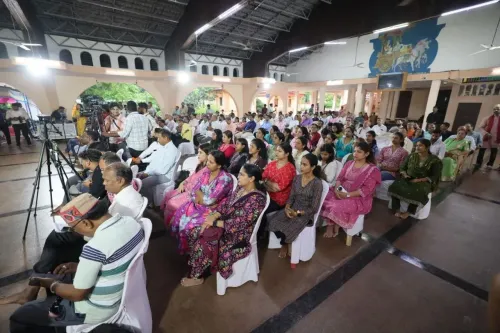
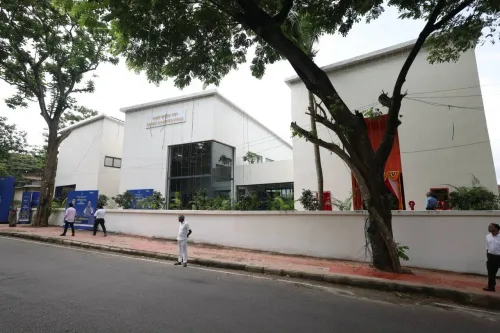
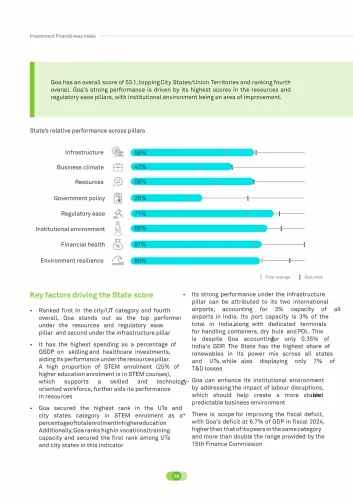
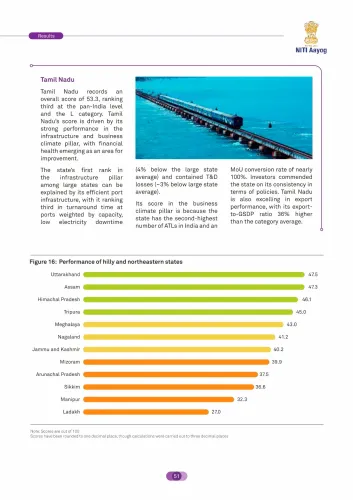
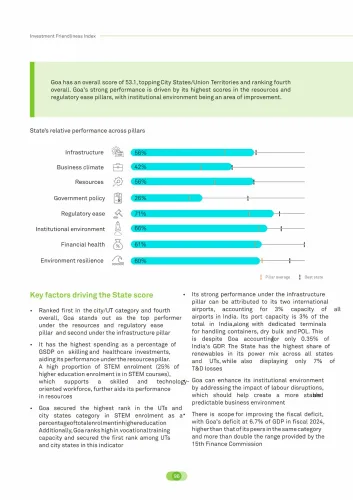
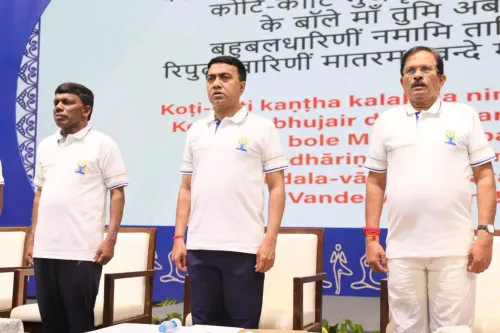
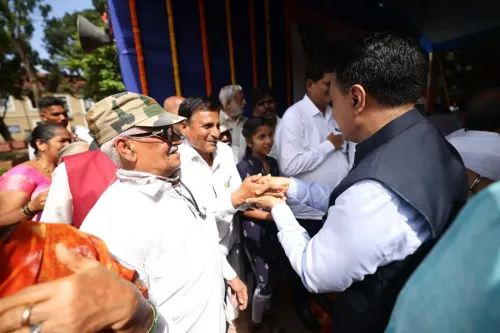
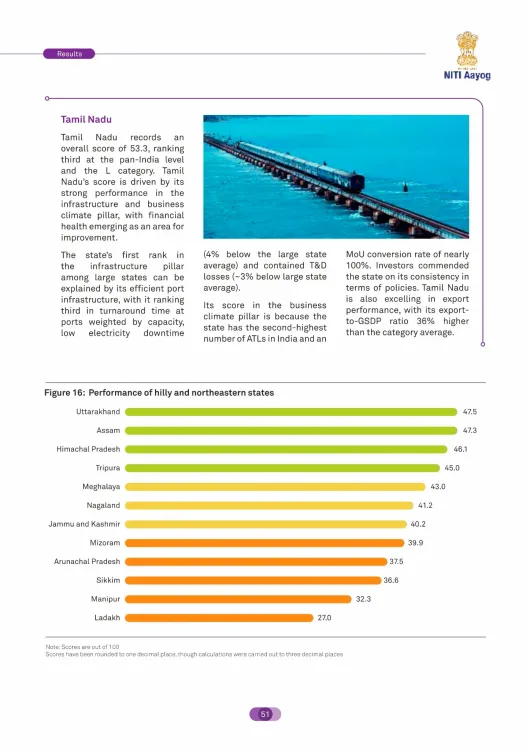
Goa Chief Minister Pramod Sawant tagged NITI Aayog in a reply on X on 18 July 2026, sharing four images in what reflects the growing trend of state leaders using social media for real-time centre-state governance engagement.
Key Takeaways
Goa Chief Minister Pramod Sawant replied to @NITIAayog on X on 18 July 2026 , attaching four images.
The post is part of a broader institutional pattern of state chief ministers engaging NITI Aayog via social media on governance and development metrics.
NITI Aayog was established in 2015 to replace the Planning Commission and promote cooperative federalism through regular centre-state consultations.
The specific content of the shared images has not been independently verified.
Upcoming NITI Aayog state ranking reports and Governing Council meetings are key events to watch for further context.
Goa Chief Minister Pramod Sawant replied to NITI Aayog on X (formerly Twitter) on Saturday, 18 July 2026, sharing images in what appears to be part of ongoing centre-state policy dialogue between the coastal state and the government's premier planning body.
Context
The post, which carries four images and no accompanying text beyond the reply tag to @NITIAayog, signals active engagement between Goa's state administration and the union government's think tank. Chief ministers across states have increasingly used social media to share governance updates, progress reports, and development milestones directly with NITI Aayog.
The precise subject of the images shared by CM Sawant has not been independently confirmed; however, the act of tagging NITI Aayog in a reply is consistent with the institutional practice of states reporting on scheme implementation, Sustainable Development Goal (SDG) progress, or infrastructure development.
Policy Backdrop
NITI Aayog was established in 2015 to replace the Planning Commission, with a mandate to foster cooperative federalism and evidence-based policy planning. One of its core functions is maintaining regular consultative channels with state governments through the Governing Council — chaired by the Prime Minister — and through performance indices such as the SDG India Index and state health and education rankings.
Under this framework, state chief ministers are expected to engage proactively with the think tank on governance benchmarks. Goa, as a small but economically significant coastal state, has consistently participated in these processes, particularly around tourism, infrastructure, and coastal development metrics.
Stakeholders and Impact
The primary stakeholders in this centre-state exchange are Goa's state government, NITI Aayog's sectoral divisions, and the citizens and communities whose welfare is tracked through the indices and schemes under review. For Goa, engagement with NITI Aayog can influence resource allocation, policy recommendations, and the state's standing in national performance rankings.
Broader state governments also watch such interactions, as NITI Aayog's feedback and rankings carry reputational and administrative weight in competitive federalism — where states are incentivised to outperform peers on development indicators.
What's Next
Observers will watch for the release of NITI Aayog's next SDG India Index or state-level ranking report, which could contextualise CM Sawant's outreach. Any scheduled Governing Council meeting involving Goa would be the formal arena where such dialogue is likely to advance into concrete policy commitments. The pattern of direct social media engagement between state leaders and NITI Aayog reflects a broader shift in how cooperative federalism is practised in real time.
Point of View
Visibility with the central think tank matters for both resource allocation and national ranking outcomes. The BJP's organisational alignment between state governments and the union executive makes such public outreach doubly strategic, serving both governance and political signalling purposes. As NITI Aayog's next round of state performance indices approaches, this kind of proactive engagement by chief ministers is likely to intensify.
NationPress
17 Oct 2026
Frequently Asked Questions
Why did Goa CM Pramod Sawant reply to NITI Aayog on X?
Chief Minister Pramod Sawant replied to NITI Aayog on X on 18 July 2026, sharing four images as part of the ongoing centre-state governance dialogue that state governments routinely conduct with the policy think tank.
What is NITI Aayog and why do chief ministers engage with it?
NITI Aayog is the Government of India's premier policy think tank, established in 2015 to replace the Planning Commission. Chief ministers engage with it to share governance progress, discuss development metrics, and participate in the cooperative federalism framework.
What did Pramod Sawant share with NITI Aayog?
CM Sawant shared four images in his reply to NITI Aayog on 18 July 2026. The precise subject of those images has not been independently confirmed.
How does NITI Aayog's SDG India Index affect Goa?
The SDG India Index ranks states on sustainable development indicators. Goa's performance on this index can influence national policy attention, resource recommendations, and the state's standing in competitive federalism benchmarks.
What should we watch for after Goa CM's NITI Aayog reply?
Key events to watch include the release of NITI Aayog's next SDG India Index or state ranking report, and any Governing Council meetings where Goa's governance progress may be formally reviewed.