Goa CM Sawant Engages NITI Aayog on State Governance
Synopsis
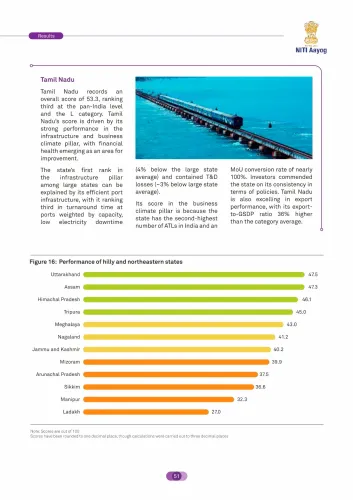
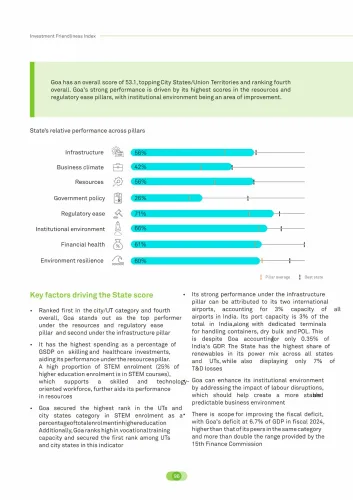
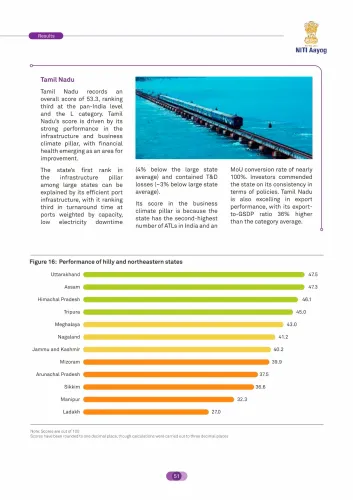
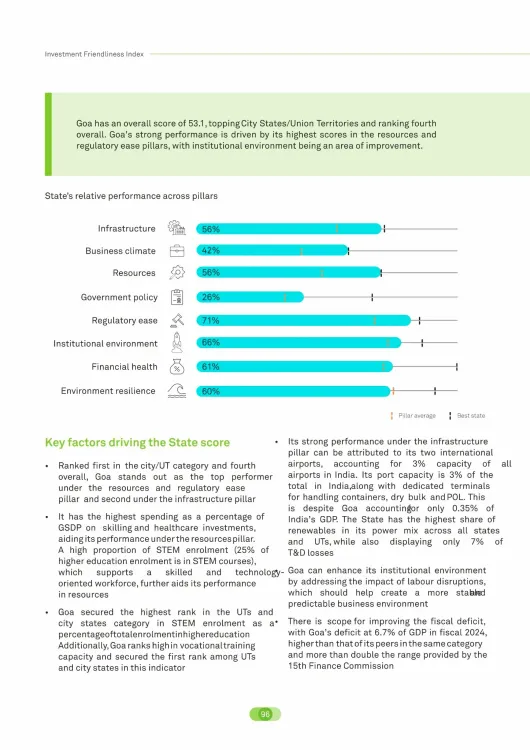
Goa Chief Minister Pramod Sawant tagged NITI Aayog on X on 18 July 2026, sharing images that appear to highlight the state's governance or development performance, reflecting the growing trend of state leaders engaging the central policy think tank through social media.
Key Takeaways
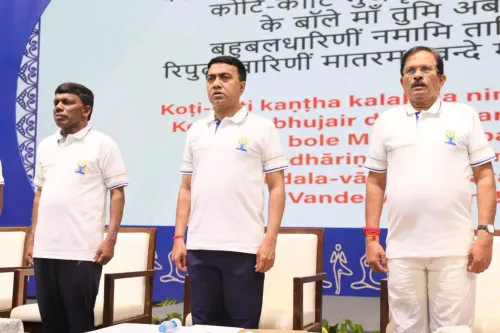
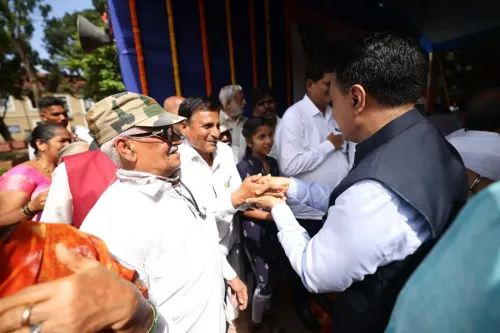
Goa CM Pramod Sawant tagged NITI Aayog on X on 18 July 2026 , sharing two images related to state governance or development data.
NITI Aayog was established on 1 January 2015 as India's premier policy think tank, replacing the Planning Commission to promote cooperative federalism.
Goa , India's smallest state by area, consistently ranks among top performers on human development indicators nationally.
Sawant has served as Goa's Chief Minister since 2019 , representing the BJP .
Chief Ministers across parties increasingly use direct social-media engagement with NITI Aayog to surface state-level achievements within the national policy conversation.
Goa Chief Minister Pramod Sawant on Saturday, 18 July 2026, tagged NITI Aayog in a post on X, sharing images that appear to highlight state-level governance or development data, continuing the pattern of direct social-media engagement between state governments and the central policy think tank.
Context
The post, which carries two images and is addressed to NITI Aayog, reflects the growing practice among Chief Ministers of using social media to place state achievements or data directly before the national policy establishment. While the exact content of the images has not been independently detailed in the post text, the act of tagging NITI Aayog signals an intent to draw the think tank's attention to Goa's performance on one or more governance or development parameters.
Sawant, who has led Goa as Chief Minister since 2019, has consistently positioned the state as a model on human development indicators, often citing its high rankings on health, infrastructure, and quality-of-life indices.
Policy Backdrop
NITI Aayog was constituted on 1 January 2015 through an executive resolution, replacing the Planning Commission and tasked with fostering cooperative federalism between the Centre and states. Among its flagship outputs are the SDG India Index and a range of state-level governance and development rankings that carry significant reputational weight for state administrations.
Goa, India's smallest state by area, has historically punched above its weight on human development metrics, with an economy anchored in tourism, mining, and services. State governments across the political spectrum have increasingly used NITI Aayog's frameworks as a benchmark to showcase policy outcomes and attract investment.
Stakeholders and Impact
The primary audience for such an engagement is twofold: the central government's policy architecture, represented by NITI Aayog, and Goa's own citizens and investor community, who benefit when the state's governance record receives national visibility. For the BJP-led state government, positive acknowledgement from a central institution also carries domestic political value ahead of any future electoral cycle.
Broader state governments watching this exchange may draw lessons from Goa's approach of proactively surfacing state data through direct social-media tagging of the think tank, a practice that has become a recognised tool in the post-2015 competitive federalism landscape.
What's Next
Attention will turn to whether NITI Aayog responds to or amplifies the post, and whether the shared images relate to an upcoming or recently released edition of the SDG India Index or a state-specific governance report. Any formal acknowledgement from NITI Aayog could lend additional credibility to Goa's claims on the parameters highlighted. Future editions of national development indices will be the clearest measure of whether Goa's engagement with the think tank translates into sustained policy recognition at the national level.
Point of View
State governments effectively create a record of proactive engagement that can be cited in policy discussions and index evaluations. For a BJP-governed state, alignment with a central institution also reinforces the party's narrative of seamless Centre-state coordination. The broader pattern suggests that social-media diplomacy with NITI Aayog has become a standard instrument of state governance communication, one that rewards early and consistent adopters.
NationPress
18 Jul 2026
Frequently Asked Questions
Why did Goa CM Pramod Sawant tag NITI Aayog on X?
Chief Minister Pramod Sawant tagged NITI Aayog on X on 18 July 2026 to share images related to Goa's governance or development performance, a common practice among state leaders seeking national policy recognition.
What is NITI Aayog and what does it do?
NITI Aayog, or the National Institution for Transforming India, is the Government of India's premier policy think tank established on 1 January 2015. It promotes cooperative federalism and publishes indices such as the SDG India Index to track state-level development.
How has Goa performed on national development indices?
Goa has historically ranked among the top-performing states on human development indicators, benefiting from a strong services and tourism economy and relatively high literacy and health outcomes.
How long has Pramod Sawant been Chief Minister of Goa?
Pramod Sawant has served as Chief Minister of Goa since 2019, representing the Bharatiya Janata Party (BJP).
What is the SDG India Index released by NITI Aayog?
The SDG India Index is a composite ranking published by NITI Aayog that measures the progress of Indian states and union territories against the United Nations Sustainable Development Goals, covering areas such as health, education, and economic growth.