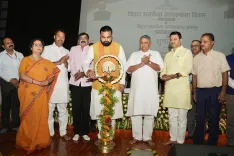
Goa CM Sawant onboards Central CRS Portal for birth and death registration
Synopsis
Goa has joined the Central Civil Registration System Portal for birth and death registration, Chief Minister Pramod Sawant announced on 2 July 2026. The integration enables parents to receive birth certificates within 24 hours of delivery, advancing the state's digital-governance agenda under the Registration of Births and Deaths (Amendment) Act, 2023.
Key Takeaways
Goa has successfully onboarded the Central Civil Registration System (CRS) Portal for birth and death registration as of 2 July 2026 .
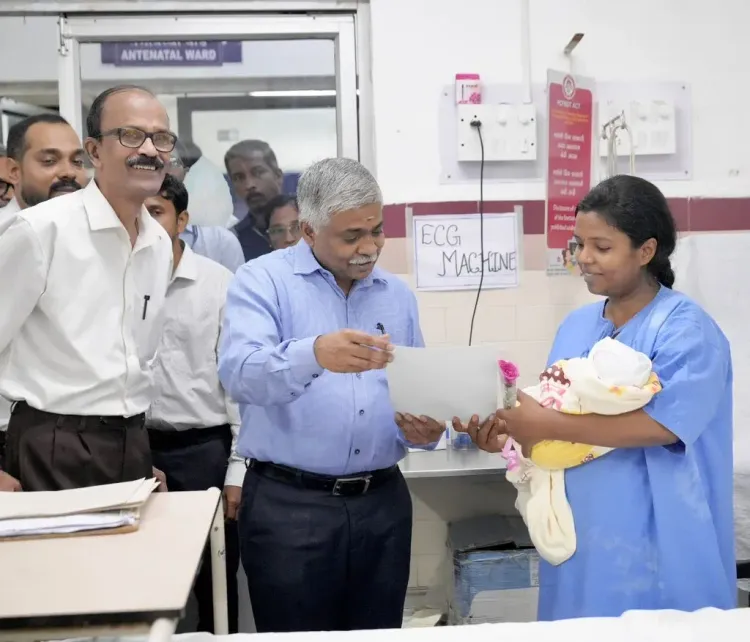
Eligible parents can now receive birth certificates for newborns within 24 hours of delivery , replacing slower paper-based processes.
The portal is operated by the Registrar General of India under the Ministry of Home Affairs and is part of a national digitisation drive for vital statistics.
The Registration of Births and Deaths (Amendment) Act, 2023 mandated online registration and enabled linkage with Aadhaar and health databases, accelerating state-level adoption.
CM Pramod Sawant framed the move under the #ViksitGoa vision of a 'digitally empowered and citizen-centric administration.' Future steps include automatic linkages between the CRS Portal and hospital databases in Goa, and full national coverage as remaining states migrate to the platform.
Goa Chief Minister Pramod Sawant announced on 2 July 2026 that Goa has successfully onboarded the Central Civil Registration System (CRS) Portal for birth and death registration, enabling eligible parents to receive birth certificates for newborns within 24 hours of delivery.
Context
In a post on X, CM Sawant described the move as 'another significant step towards strengthening citizen-centric governance.' The Central CRS Portal, operated by the Registrar General of India under the Ministry of Home Affairs, is a national platform designed to digitise and unify the recording of vital events — births and deaths — across all states and union territories.
Goa's integration with the portal means that birth registrations and the generation of birth certificates are now 'faster, more efficient, and seamless,' according to the Chief Minister. The state government framed the development under its #ViksitGoa [Developed Goa] vision, signalling alignment with broader national digital-governance goals.
Policy Backdrop
Civil registration in India has been compulsory since the Registration of Births and Deaths Act, 1969, which established the legal framework for recording vital events. Computerisation efforts began in the 2000s with state-level pilots under the Registrar General of India, but progress remained uneven across states.
The Registration of Births and Deaths (Amendment) Act, 2023 marked a decisive shift, introducing provisions for mandatory online registration and enabling linkage with Aadhaar and national health databases. The legislation gave fresh impetus to states to migrate from paper-based processes to the Central CRS Portal, making real-time, online issuance of certificates the new standard.
Several states have already migrated to the platform as part of the Ministry of Home Affairs' long-term effort to build a unified digital public infrastructure for vital statistics. Goa's onboarding adds to that growing list.
Stakeholders and Impact
The most immediate beneficiaries are new parents in Goa, who can now expect birth certificates within 24 hours of a child's delivery rather than navigating days-long paperwork at municipal or panchayat offices. State civil registrars and healthcare facilities — hospitals and nursing homes — are the key operational nodes through which the portal functions, reducing manual data entry and the risk of errors.
For the state administration, the shift means a more accurate and real-time database of vital statistics, which can feed into welfare scheme eligibility, health planning, and identity documentation for citizens from birth. The move also reduces the scope for fraudulent or delayed registrations.
What's Next
Attention will now turn to the rollout of automatic linkages between the Central CRS Portal and hospital and health databases in Goa, which would further reduce manual steps in the registration chain. At the national level, the adoption timeline for remaining states and union territories will determine when India achieves full coverage under a single unified civil registration system. CM Sawant's announcement signals that Goa intends to remain at the forefront of this transition, using digital tools to make public services 'timely, transparent, and accessible to all.'
Point of View
The 24-hour birth certificate commitment is a tangible, citizen-facing metric that translates abstract e-governance goals into a deliverable that new parents can measure. The move also positions Goa, a small but administratively agile state, as an early mover in a national rollout where larger states still lag. The real test will come when automatic hospital-to-portal data flows replace even the residual manual steps, closing the loop between delivery rooms and government databases.
NationPress
2 Jul 2026
Frequently Asked Questions
What is the Central CRS Portal for birth and death registration in India?
The Central Civil Registration System (CRS) Portal is a national online platform operated by the Registrar General of India under the Ministry of Home Affairs. It digitises the registration of births and deaths across states, enabling real-time, online issuance of certificates and integration with national databases such as Aadhaar.
How fast can parents get a birth certificate in Goa now?
Following Goa's onboarding to the Central CRS Portal, eligible parents can receive a birth certificate for their newborn within 24 hours of delivery, according to Chief Minister Pramod Sawant's announcement on 2 July 2026.
What law made online birth and death registration mandatory in India?
The Registration of Births and Deaths (Amendment) Act, 2023, introduced provisions for mandatory online registration of vital events and enabled linkage with Aadhaar and health databases, significantly accelerating the shift from paper-based to digital civil registration.
Which authority manages birth and death registration in India?
The Registrar General of India, a statutory authority under the Ministry of Home Affairs, is responsible for civil registration and census operations in India, including the operation of the Central CRS Portal.
What is the #ViksitGoa initiative mentioned by CM Sawant?
#ViksitGoa — meaning 'Developed Goa' — is the Goa state government's governance vision under Chief Minister Pramod Sawant, focused on building a digitally empowered and citizen-centric administration through efficient public service delivery.