Bihar CM Office: Schools to Run in Seized Corruption Assets

Synopsis
The Chief Minister's Office of Bihar announced on 2 July 2026 that schools will be operated inside properties seized from corrupt individuals. The move aims to convert anti-corruption enforcement gains into direct educational infrastructure, fitting Bihar's broader drive to expand school access.
Key Takeaways
The Chief Minister's Office of Bihar announced on 2 July 2026 that properties seized from corrupt individuals will be used to operate schools.
The policy repurposes confiscated real estate as educational infrastructure rather than leaving it idle or auctioning it off.
No specific number of properties, districts, or a rollout timeline was mentioned in the announcement.
The Education Department and vigilance authorities will need to coordinate on property identification and transfer rules.
Bihar has historically pursued large-scale school construction to address low literacy and enrolment gaps, and this policy extends that push using anti-corruption assets.
District-level implementation and formal executive rules will be the key indicators of follow-through on the announcement.
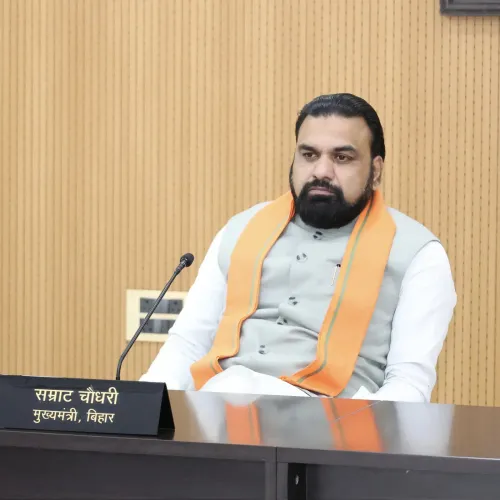
The Chief Minister's Office of Bihar announced on Thursday, 2 July 2026 that schools will be operated inside properties confiscated from corrupt individuals, signalling a move to convert vigilance action into direct social infrastructure for the state's students.
What Was Announced
The official post from @officecmbihar stated — 'भ्रष्टाचारियों की जब्त की गई परिसंपत्तियों में विद्यालय संचालित किए जाएंगे' — translated: 'Schools will be operated in properties seized from the corrupt.' The announcement frames the repurposing of attached assets as a governance dividend, turning proceeds of corruption into educational opportunity.
No specific district, timeline, or number of properties was cited in the post. The policy intent, however, is unambiguous: seized real estate will be handed over for school operations rather than left idle or auctioned.
Context
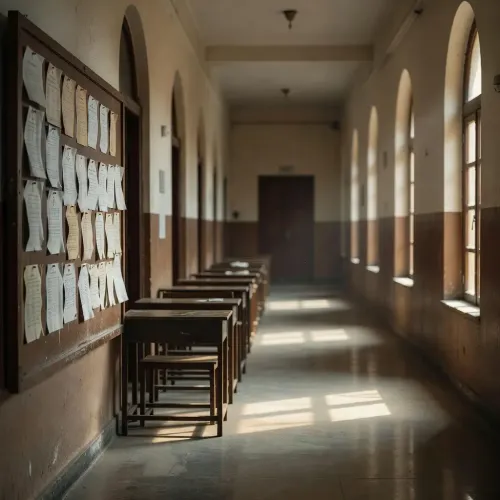
Bihar has historically grappled with low literacy rates and inadequate school infrastructure, particularly in rural and semi-urban areas. The state government has run large-scale school construction and teacher recruitment programmes over the past decade to close enrolment gaps.
At the same time, vigilance and anti-corruption drives in Bihar have resulted in the attachment of properties belonging to officials and individuals prosecuted under the Prevention of Corruption Act. These assets — which can include buildings, land, and commercial premises — have not always been systematically redirected toward public use.
Policy Backdrop
Across India, states have periodically announced plans to repurpose confiscated corruption assets for social infrastructure. The logic is straightforward: rather than letting attached properties languish in legal limbo, governments can deploy them as schools, health centres, or community facilities, generating public value from enforcement action.
Bihar's move fits into a broader national pattern where anti-corruption outcomes are linked directly to welfare delivery. Chief Minister Nitish Kumar has long positioned governance reform and education expansion as twin pillars of the state's development agenda, and this announcement reinforces that framing.
Stakeholders and Impact
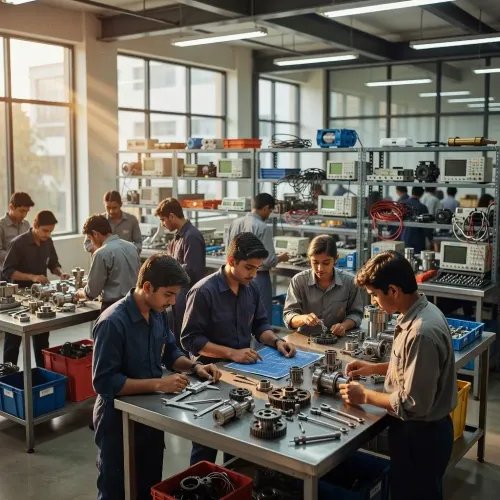
The primary beneficiaries of the policy would be Bihar's school-going children, especially in areas where government school infrastructure remains stretched. The Education Department would need to coordinate with vigilance and legal authorities to identify suitable properties, clear encumbrances, and prepare them for academic use.
Local communities near seized properties stand to gain direct access to schooling facilities without waiting for new construction. Teachers, administrative staff, and district education officers would be key operational stakeholders in any rollout.
What's Next
The critical step will be the framing of formal rules or an executive order governing the transfer of seized properties to the Education Department. District-level implementation — identifying which properties qualify, their physical condition, and legal status — will determine how quickly the policy moves from announcement to classrooms.
Observers will watch whether the government publishes a list of properties earmarked for schools and sets measurable targets, which would signal the seriousness of the commitment beyond the initial declaration.
Point of View
The government avoids the optics of auctioning off corruption proceeds while generating visible public benefit. The real test lies in execution: past state-level announcements of this kind have often stalled at the stage of legal clearances and inter-departmental transfers. If Bihar can demonstrate a working pipeline from vigilance action to functional classrooms, it could serve as a replicable model for other states navigating the same challenge.
NationPress
2 Jul 2026
Frequently Asked Questions
What did the Bihar CM Office announce about seized corruption properties?
The Chief Minister's Office of Bihar announced on 2 July 2026 that schools will be operated inside properties seized from corrupt individuals, repurposing enforcement assets as educational infrastructure.
Which properties will be used for schools in Bihar?
The announcement refers to properties confiscated from individuals found guilty of corruption. The specific properties, districts, and legal details of the transfer process have not yet been made public.
How does Bihar plan to convert seized assets into schools?
The policy intent is to hand over attached properties to the Education Department for school operations. Formal rules governing the transfer and identification of eligible properties are expected to be framed as a next step.
Has any Indian state done this before — using corruption assets for schools?
Yes, several Indian states have periodically announced plans to repurpose confiscated corruption assets for social infrastructure such as schools and health centres, though consistent district-level implementation has varied.
What is Bihar's track record on education and school infrastructure?
Bihar has run large-scale school construction and teacher recruitment programmes over the past decade to address historically low literacy rates and enrolment gaps, particularly in rural areas.