Goa CMO ties up with Art of Living for Swayampurna push
Synopsis
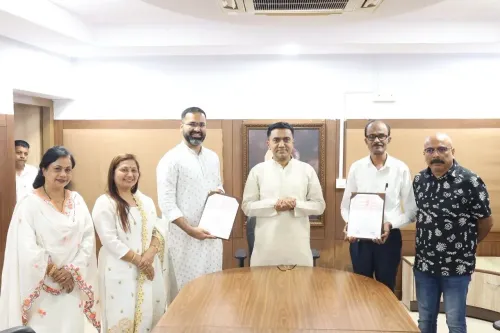
The Chief Minister's Office of Goa announced a partnership with The Art of Living on 25 September 2026 to strengthen the Swayampurna mission, which aims to make gram panchayats self-reliant through local planning and sustainable livelihoods aligned with SDG targets.
Key Takeaways
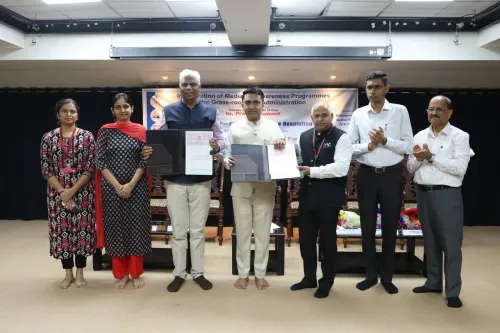
The Chief Minister's Office of Goa announced a formal partnership with The Art of Living on 25 September 2026 .
The collaboration targets Swayampurna Goa , a mission launched in 2022 to make gram panchayats self-reliant and SDG-aligned.
The Art of Living , founded by Sri Sri Ravi Shankar , brings experience in water conservation, skill development and rural community mobilisation.
Village panchayats and rural communities across Goa are the primary stakeholders and intended beneficiaries.
The partnership follows a broader pattern of Indian states formalising NGO tie-ups to execute community-based components of development agendas.
Progress will be tracked through phased joint projects and published panchayat-level indicators under Swayampurna.
A new partnership between the Government of Goa and The Art of Living is set to channel community-driven expertise into the state's flagship self-reliance mission — signalling that Goa is doubling down on its panchayat-level development agenda.
The Chief Minister's Office of Goa announced on Friday, 25 September 2026 that the collaboration would bring together the government's development vision and The Art of Living's proven record in community-driven initiatives, with the stated goal of 'further strengthening Goa's journey towards Swayampurna and sustainable development.'
What Swayampurna Goa is — and why it matters
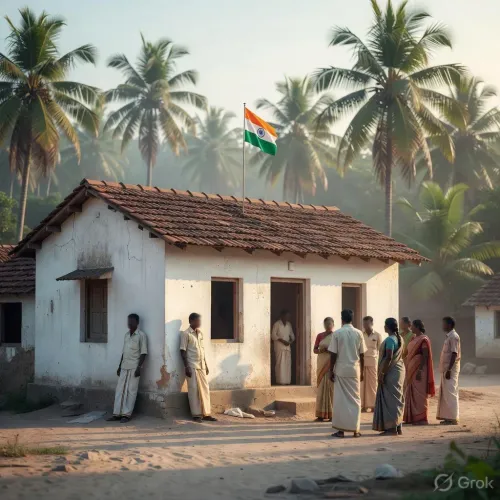
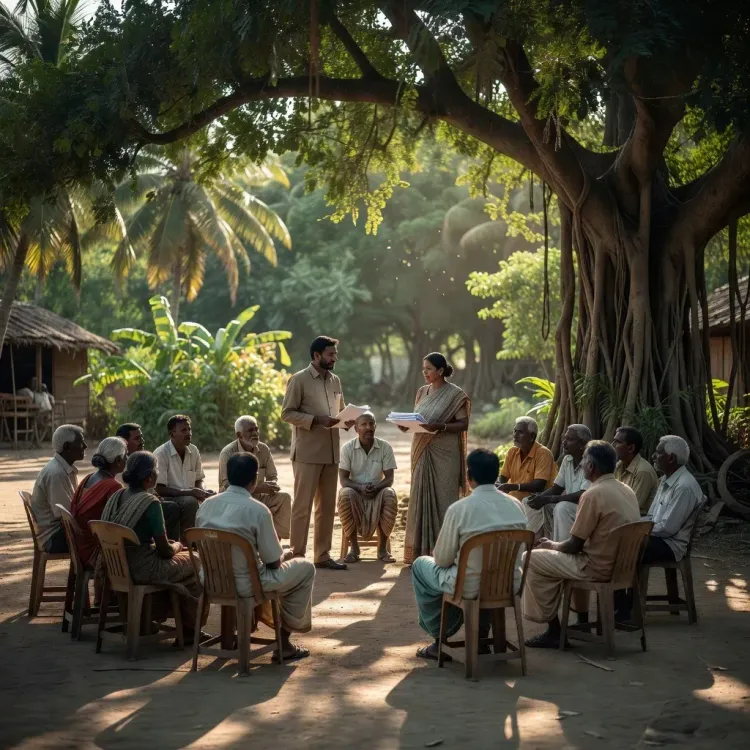
Swayampurna Goa is the state government's mission to make gram panchayats genuinely self-reliant — not just administratively, but economically and socially. Formally launched in 2022, the programme decentralises sustainable development planning down to the village level, aligning panchayat goals with the UN's Sustainable Development Goals. The bet is that local ownership drives better outcomes than top-down delivery.
Village panchayats and rural communities are the direct beneficiaries. The mission tasks each panchayat with building local livelihoods, managing natural resources and tracking its own SDG indicators — a granular accountability model that most Indian states have not attempted at this scale.
What The Art of Living brings to the table
The Art of Living, the international NGO founded by Sri Sri Ravi Shankar, has built a substantial track record beyond its better-known yoga and meditation programmes. Across multiple Indian states, it has run water conservation projects, skill-development drives and rural community mobilisation efforts — precisely the kind of grassroots infrastructure that a panchayat-first mission like Swayampurna needs.
Several states have signed formal arrangements with the organisation to weave its community-based methodologies into official governance and SDG localisation frameworks. Goa is now positioning itself in that cohort, using Swayampurna as the institutional container for such partnerships rather than treating them as one-off initiatives.
A pattern taking shape in Indian state governance
The move fits a wider arc: state governments increasingly looking beyond their own departments to NGOs with verified on-ground capacity when execution — not design — is the bottleneck. The partnership model lets governments claim the policy architecture while organisations like The Art of Living supply the community trust and field networks that bureaucracies struggle to replicate quickly.
Whether the collaboration translates into measurable panchayat-level progress will depend on the phased rollout of joint projects and the quality of published indicators under Swayampurna. Those numbers, when they arrive, will be the real test of whether the announcement holds its promise.
Point of View
It strengthens the case for replicating this model across other states pursuing SDG localisation. The credibility of this announcement, however, will ultimately rest on whether joint projects materialise and measurable outcomes are made public.
NationPress
25 Sept 2026
Frequently Asked Questions
What is Swayampurna Goa?
Swayampurna Goa is a state government mission launched in 2022 to make gram panchayats self-reliant by decentralising sustainable development planning to the village level and aligning local goals with the UN's Sustainable Development Goals.
What is the Art of Living's role in Goa's development plans?
The Art of Living has partnered with the Goa government to contribute its community-driven expertise — including water conservation, skill development and rural mobilisation — to support the Swayampurna self-reliance mission.
Who founded The Art of Living?
The Art of Living is an international NGO founded by Sri Sri Ravi Shankar. Beyond its yoga and meditation programmes, it runs community development and rural livelihoods projects across multiple Indian states.
Which villages or panchayats will benefit from the Goa-Art of Living partnership?
The partnership targets gram panchayats across Goa under the Swayampurna mission. Specific villages and the phased rollout of joint projects have not yet been publicly detailed.
Have other Indian states signed similar deals with The Art of Living?
Yes, several Indian states have signed formal arrangements with The Art of Living to integrate its community-based methodologies into state development and SDG localisation agendas, a pattern Goa is now following through its Swayampurna framework.