CM Sawant inaugurates ₹48.87 cr ship-shaped Ports Terminal in Panaji
Synopsis
Goa Chief Minister Pramod Sawant and Union Minister Sarbanand Sonowal inaugurated the ₹48.87 crore Captain of Ports Terminal Building in Panaji on 26 June 2026. The ship-shaped structure aims to modernise navigation management, strengthen inland waterways, and boost Goa's blue economy under the Sagarmala and PM Gati Shakti frameworks.
Key Takeaways
The Captain of Ports Terminal Building in Panaji was inaugurated on 26 June 2026 by Union Minister Sarbanand Sonowal in the presence of Goa CM Pramod Sawant .
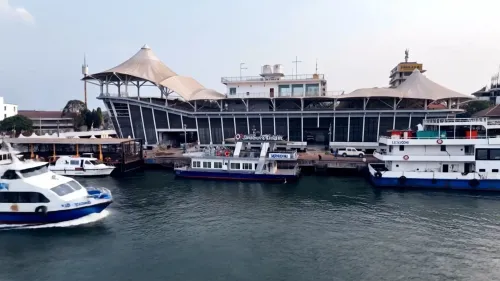
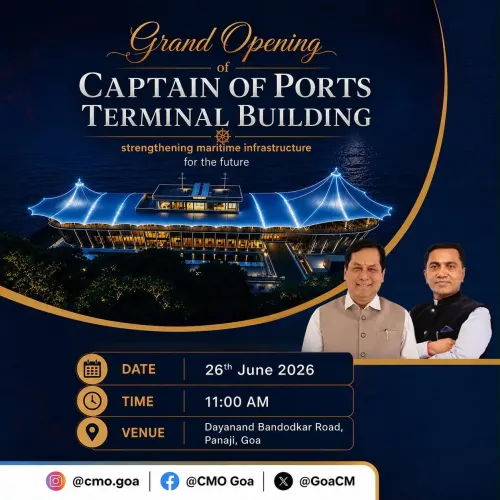
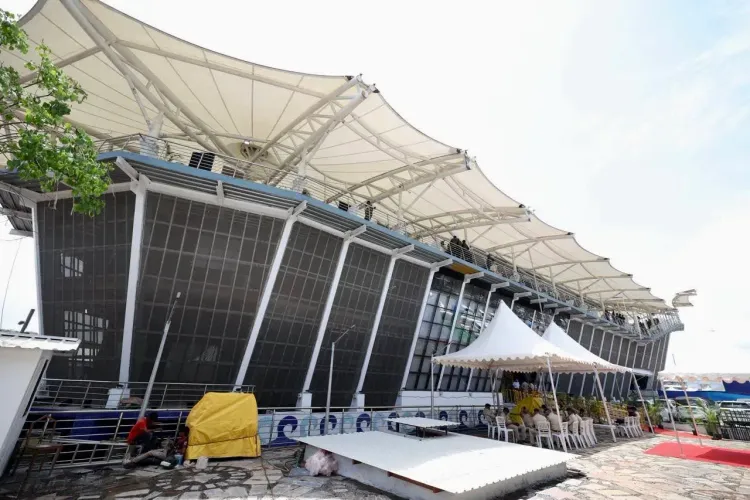
The facility was constructed at a cost of ₹48.87 crore and features a distinctive ship-shaped design reflecting Goa's maritime heritage.
The terminal is designed to strengthen navigation management , inland waterways , and broader maritime infrastructure in the state.
The project aligns with the national Sagarmala Project (2015) and the PM Gati Shakti multimodal connectivity framework.
Goa's rivers are identified as drivers of tourism , fisheries , connectivity , and the blue economy .
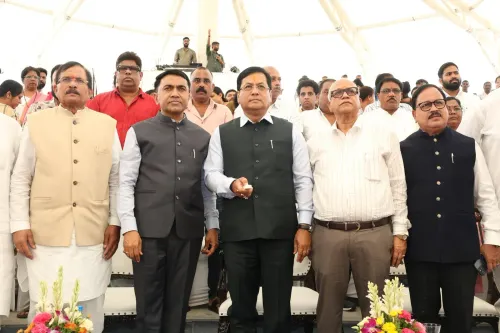
Senior dignitaries including Union Minister Shripad Yesso Naik , state ministers, the Panaji Mayor , and MPs attended the ceremony.
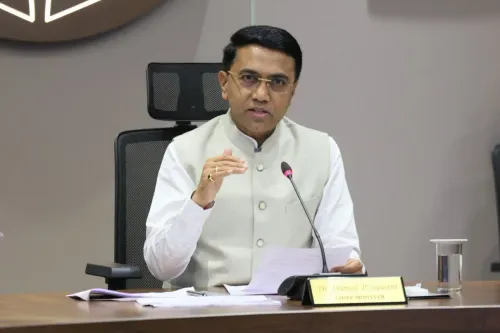
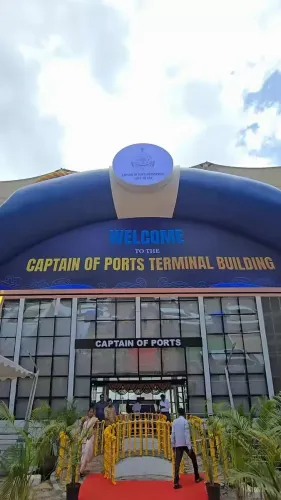
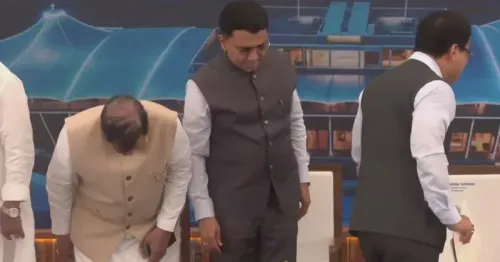
Goa Chief Minister Pramod Sawant joined Union Minister Sarbanand Sonowal on Friday, 26 June 2026, for the inauguration of the new Captain of Ports Terminal Building in Panaji, a ₹48.87 crore facility built in the shape of a ship that the state government says will anchor Goa's maritime and inland waterway ambitions for decades to come.
Context
The ceremony brought together a cross-section of Goa's political leadership. Union Minister Shripad Yesso Naik, state ministers Digambar Kamat and Subhash Phal Dessai, MP Sadanand Shet, several MLAs, and the Panaji Mayor were present alongside senior maritime officials. Sonowal, who heads the Ministry of Ports, Shipping and Waterways, performed the formal inauguration, underscoring the project's national significance.
Sawant described the terminal as a facility that 'beautifully reflects Goa's maritime legacy while strengthening navigation management, inland waterways and maritime infrastructure for the future.' The ship-shaped architectural design is intended as a visual homage to the state's centuries-old seafaring identity.
Policy Backdrop
The terminal fits squarely within the Sagarmala Project, launched in 2015, which drives port modernisation, coastal shipping, and inland waterway development across India. Goa's river stretches were subsequently designated as national waterways under the National Waterways Act, 2016, opening the door for infrastructure investments of this kind.
The project also aligns with the PM Gati Shakti framework, which seeks to integrate ports, waterways, roads and logistics into a single multimodal network. Sawant explicitly credited Prime Minister Narendra Modi, saying Goa is 'moving towards a modern, sustainable and future-ready maritime ecosystem' under his leadership.
Stakeholders and Impact
Goa's rivers are central to three distinct economic pillars: tourism, which relies heavily on river cruises and ferry connectivity; fisheries, whose operators depend on safe and well-managed waterway access; and the emerging blue economy, which encompasses coastal trade, water transport, and marine resource management. The new terminal is intended to serve all three by centralising navigation management under one modern facility.
Inland waterway operators stand to benefit from improved administrative efficiency, while the tourism industry gains a landmark facility that doubles as a destination in its own right. Local fishing communities, whose livelihoods depend on orderly river access, are also among the primary stakeholders.
What's Next
Attention will now shift to the operationalisation of the terminal and the rollout of additional National Waterway projects along Goa's rivers in the next budget cycle. The state government's use of the hashtag #ViksitGoa (Developed Goa) signals that maritime infrastructure will remain a centrepiece of its development messaging ahead of future electoral cycles. Observers will watch whether the blue economy commitments translate into tangible gains for fishing and tourism communities on the ground.
Point of View
Thematic infrastructure. Whether the facility delivers operational improvements for waterway users — particularly fishing communities — will be the real measure of its impact.
NationPress
25 Sept 2026
Frequently Asked Questions
What is the Captain of Ports Terminal Building in Panaji?
The Captain of Ports Terminal Building is a newly inaugurated maritime facility in Panaji, Goa, built at a cost of ₹48.87 crore. It is designed in the shape of a ship and will serve as the hub for navigation management and inland waterway administration in the state.
Who inaugurated the Captain of Ports Terminal Building?
Union Minister for Ports, Shipping and Waterways Sarbanand Sonowal performed the inauguration on 26 June 2026, in the presence of Goa Chief Minister Pramod Sawant and several other Union and state ministers.
How much did the Goa Captain of Ports Terminal cost?
The terminal was constructed at a cost of ₹48.87 crore, as stated by Chief Minister Pramod Sawant in his official communication about the event.
What is the Sagarmala Project and how does it relate to Goa?
The Sagarmala Project, launched in 2015, is a national initiative to modernise ports, promote coastal shipping, and develop inland waterways across India. Goa's river stretches were declared national waterways under the National Waterways Act, 2016, making projects like the Captain of Ports Terminal part of this broader framework.
What is Goa's blue economy strategy?
Goa's blue economy strategy focuses on leveraging its rivers and coastline for sustainable economic growth across tourism, fisheries, inland water transport, and coastal trade. The new Ports Terminal is intended to support this by modernising waterway management infrastructure.