Gaurav Gogoi urges citizens to agitate for accountability after 'Chalo Dilli'
Synopsis
Congress MP Gaurav Gogoi has turned Sunday's 'Chalo Dilli' rally into a call to arms — literally urging citizens to 'agitate' four times over in a single X post. With the opposition pressing for Chief Election Commissioner Gyanesh Kumar's resignation and crowds reportedly spilling beyond Ramlila Maidan, the Congress is signalling that street politics, not just parliament, will define its next phase.
Key Takeaways
Gaurav Gogoi , Congress MP from Assam, on 2 November 2026 called on citizens to organise protests to demand political accountability.
His appeal cited the 'Chalo Dilli' Congress-led rally at Ramlila Maidan, New Delhi on 1 November 2026 as inspiration.
The opposition has been demanding the resignation of Chief Election Commissioner Gyanesh Kumar .
Gogoi described the turnout as an 'ocean outside the maidan,' claiming participation from across India.
The campaign signals a Congress strategy of sustained street-level mobilisation alongside parliamentary opposition.
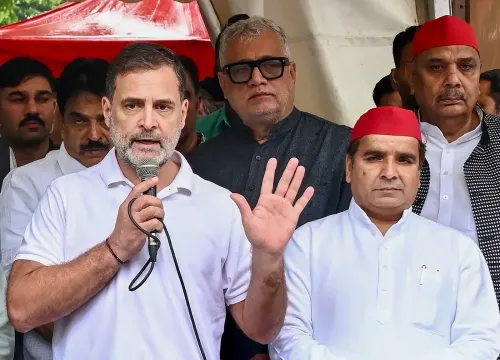
Congress MP from Assam Gaurav Gogoi on Monday, 2 November 2026, called on citizens across the country to organise protests and raise their voices to demand accountability from elected representatives, citing Sunday's 'Chalo Dilli' campaign at Delhi's Ramlila Maidan as a model for democratic mobilisation. His appeal came a day after a Congress-led agitation in the national capital drew participants from multiple states.
What Gogoi Said
In a post on X, Gogoi made a direct and repeated appeal for public agitation, framing it as a civic duty. 'If you want accountability in your politicians, agitate. If you want your concerns to be addressed, agitate,' he wrote. He further added: 'If you want the freedom to ask questions of your representatives, agitate. If you are concerned about the future of your country, agitate.'
Gogoi described these as among the key lessons drawn from the 'Chalo Dilli' campaign, underscoring the Congress party's strategic emphasis on street-level mobilisation as a vehicle for democratic expression.
The 'Chalo Dilli' Campaign
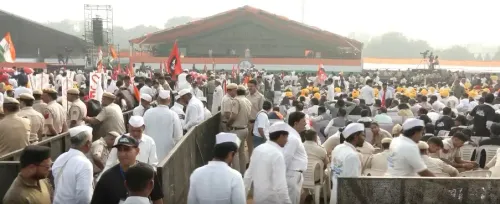
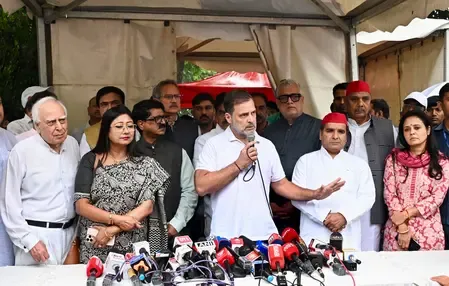
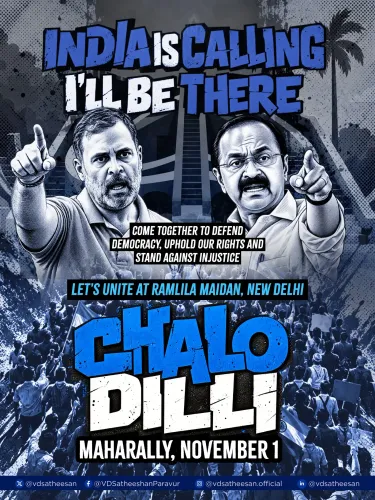
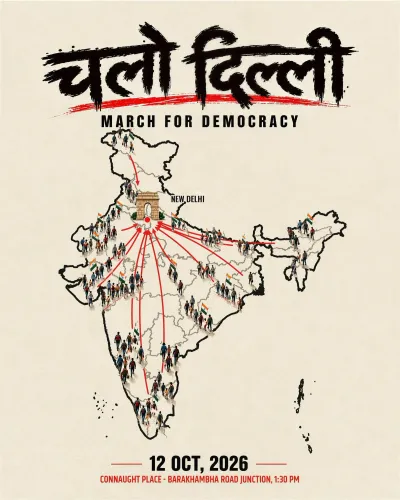
The 'Chalo Dilli' rally, held on Sunday, 1 November 2026 at Ramlila Maidan in New Delhi, was organised by the Congress-led opposition against the ruling dispensation and against Chief Election Commissioner Gyanesh Kumar, whose resignation the opposition has been demanding. The event drew crowds from different parts of the country.
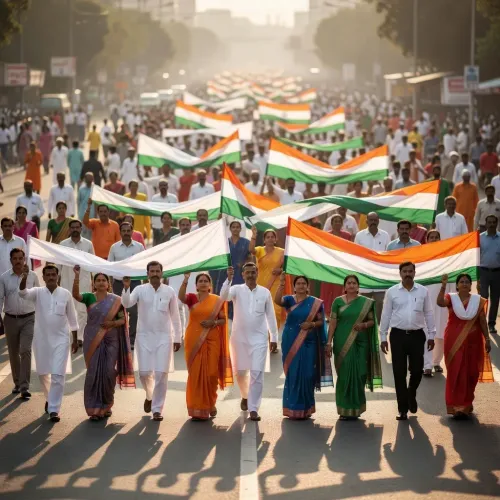
In a separate post on X, Gogoi described the gathering in vivid terms: 'If it was a sea of people inside the Ramlila Maidan, it was an ocean outside the maidan. People from all parts of India showing up on the streets of Delhi.' He drew a distinction between those inside the venue and what he characterised as a larger participation spilling onto the surrounding streets.
Demand for Election Commissioner's Resignation
The rally and Gogoi's subsequent remarks form part of a sustained opposition campaign pressing Chief Election Commissioner Gyanesh Kumar to step down. The opposition has argued that the Election Commission's credibility and independence are at stake, though the ruling dispensation has not indicated any intention to act on those demands. Critics of the campaign argue that such calls risk politicising constitutional bodies.
Context and Significance
The 'Chalo Dilli' campaign marks a notable escalation in the Congress party's public mobilisation strategy. This comes amid a broader pattern of opposition parties turning to street protests to counter their disadvantage in parliamentary numbers. Notably, the Congress has increasingly leaned on regional leaders such as Gogoi — who represents a key northeastern constituency — to amplify its messaging beyond its traditional strongholds.
The appeal places the spotlight on the role of mass participation in democratic accountability, a theme the Congress has returned to repeatedly since its setback in the last general election. Whether the momentum from Ramlila Maidan translates into sustained political pressure remains to be seen.
Point of View
Not just a civic appeal — it attempts to cast protest as patriotic duty and frame inaction as complicity. But the Congress has a structural problem: high-energy rallies have not historically translated into durable opposition momentum in India's current political landscape. The demand for the Chief Election Commissioner's resignation is also a high-risk move; pressing for the removal of a constitutional appointee without a formal legal process can just as easily be framed as institutional overreach by opponents. The real question is whether 'Chalo Dilli' marks the beginning of a coordinated multi-city agitation cycle or remains a one-day mobilisation that dissipates by the week's end.
NationPress
2 Nov 2026
Frequently Asked Questions
What is the 'Chalo Dilli' campaign?
'Chalo Dilli' is a Congress-led political mobilisation campaign that held a major rally at Ramlila Maidan in New Delhi on 1 November 2026. It was organised to protest against the ruling dispensation and to demand the resignation of Chief Election Commissioner Gyanesh Kumar.
What did Gaurav Gogoi say about public agitation?
Congress MP Gaurav Gogoi urged citizens to organise protests to secure accountability from politicians, get their concerns addressed, and protect democratic freedoms. He made the appeal in a post on X on 2 November 2026, describing agitation as a key lesson from the 'Chalo Dilli' campaign.
Why is the opposition demanding the Chief Election Commissioner's resignation?
The opposition, led by the Congress, has argued that Chief Election Commissioner Gyanesh Kumar's continuation undermines the Election Commission's credibility and independence. The specific grounds for the demand were reiterated at the 'Chalo Dilli' rally on 1 November 2026.
Who is Gaurav Gogoi?
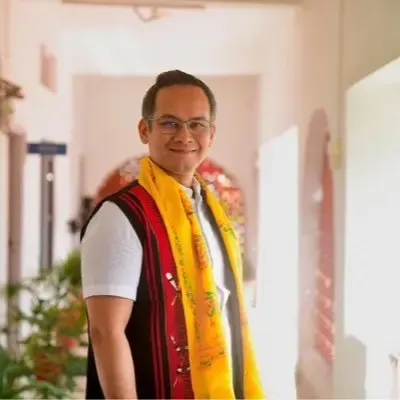
Gaurav Gogoi is a Member of Parliament from Assam and a senior Congress leader. He has been an active voice for the party on issues of democratic accountability and institutional integrity, and is among the Congress's prominent faces in northeastern India.
What is the significance of Ramlila Maidan for political rallies?
Ramlila Maidan in New Delhi is one of India's most symbolically significant venues for mass political gatherings, with a history of hosting landmark protests. Opposition parties routinely use it to signal national reach and public support for their campaigns.