Why has the government deactivated 2.5 crore Aadhaar IDs of deceased persons?
Synopsis
In a groundbreaking initiative, the Indian government has deactivated over 2.5 crore Aadhaar IDs belonging to deceased individuals to prevent identity fraud. This measure, announced by Union Minister Jitin Prasada, aims to enhance the integrity of the Aadhaar system and protect against unauthorized benefit claims. Discover the steps taken to safeguard this vital biometric identity system.
Key Takeaways
The government deactivated over 2.5 crore Aadhaar IDs of deceased individuals.
This action aims to prevent identity fraud and misuse.
UIDAI employs measures like biometric locks and face authentication.
Secure storage of Aadhaar data is mandatory.
A new Aadhaar app facilitates secure sharing of verified credentials.
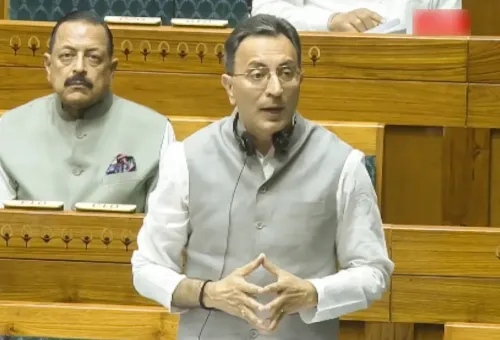
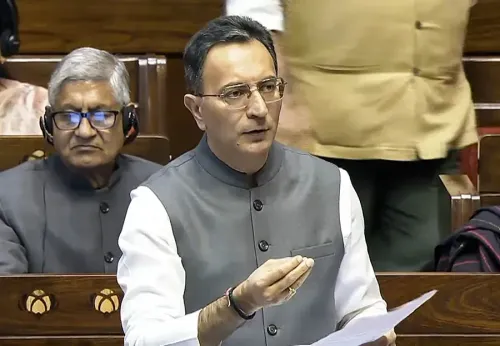
New Delhi, Feb 4 (NationPress) In a significant move to combat identity fraud, more than 2.5 crore Aadhaar numbers of individuals who have passed away have been deactivated, as reported by Union Minister of State for Electronics and Information Technology, Jitin Prasada, in Parliament on Wednesday.
Aadhaar stands as the world's largest biometric identity system, holding records for about 134 crore active Aadhaar holders.
“As part of a comprehensive initiative aimed at preserving the integrity and correctness of the Aadhaar database, the Unique Identification Authority of India (UIDAI) has successfully deactivated over 2.5 crore Aadhaar numbers of deceased persons to date,” Prasada stated.
“When an individual passes away, it is crucial to deactivate their Aadhaar number to avert potential identity fraud or unauthorized use of that Aadhaar number to acquire welfare benefits,” he further explained.
The state or union territory listed in the Aadhaar database may differ from where the death was officially recorded.
Additionally, the Minister highlighted various strategies implemented to mitigate identity fraud risks and guarantee secure delivery of benefits across the nation.
The biometric lock/unlock feature allows Aadhaar holders to “lock” their biometrics, thus blocking any unauthorized authentication attempts.
Furthermore, the implementation of face authentication with a 'liveness detection feature' can deter spoofing and confirm the physical presence of beneficiaries during transactions.
Efforts to promote the Aadhaar Secure QR Code, Aadhaar paperless offline e-KYC, e-Aadhaar, and Aadhaar verifiable credentials facilitate offline identity verification.
The UIDAI also ensures that core biometric data of Aadhaar holders is never shared publicly. It mandates the use of Aadhaar data vaults by all requesting entities to securely store Aadhaar numbers in an encrypted format.
Other initiatives include regular database sanitization, de-duplication, and deactivation of Aadhaar numbers belonging to deceased individuals. Updating demographic information for Aadhaar holders is strictly regulated according to UIDAI's specified documents.
The UIDAI has introduced a new Aadhaar app, enabling Aadhaar holders to share verified credentials securely and effortlessly with Offline Verification Seeking Entities (OVSE).
Point of View
It's vital to acknowledge the government's proactive steps in enhancing the integrity of the Aadhaar system. The deactivation of Aadhaar IDs of deceased individuals is a necessary measure to prevent fraud and misuse. With continuous improvements in security protocols, the UIDAI demonstrates a commitment to protecting citizens' identities, ensuring that benefits reach those who truly deserve them.
NationPress
19 Sept 2026
Frequently Asked Questions
Why were Aadhaar IDs of deceased persons deactivated?
The deactivation was implemented to prevent identity fraud and unauthorized use of Aadhaar numbers for welfare benefits.
How many Aadhaar IDs have been deactivated?
Over 2.5 crore Aadhaar IDs of deceased individuals have been deactivated.
What measures are in place to secure the Aadhaar system?
Measures include biometric locks, face authentication with liveness detection, and the promotion of secure QR codes and offline verification methods.
Is the UIDAI sharing biometric information?
No, UIDAI does not share core biometric information and mandates secure storage of Aadhaar numbers.
What is the new Aadhaar app for?
The new Aadhaar app allows users to share verified credentials securely with Offline Verification Seeking Entities.