How did India’s Aadhaar-linked payments reduce welfare leakage by 12.7%?
Synopsis
In a groundbreaking report, India's Aadhaar-linked digital payment systems have been shown to reduce welfare leakage by an impressive 12.7%. Discover how this innovative approach is setting a global standard in public welfare efficiency!
Key Takeaways
India's Aadhaar system reduces welfare leakage by 12.7%.
Direct digital transfers enhance delivery of essential services.
Potential annual savings of $10 billion through Aadhaar-enabled systems.
Integration with PFMS ensures direct delivery of subsidies.
Digital tools widen the tax base and reduce evasion.
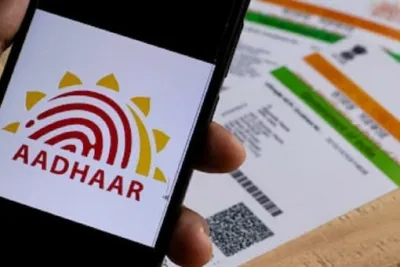
New Delhi, Dec 22 (NationPress) A recent report reveals that India's states implementing Aadhaar-linked digital payment systems and biometric verification have achieved a significant reduction in welfare leakage by around 12.7 percent. This achievement sets a global standard for integrity in public welfare.
The analysis from the Boston Consulting Group (BCG) highlights that governments across the globe allocate more than $21 trillion in public payments to citizens each year, of which approximately $3 trillion is lost due to issues such as fraud, errors, or inefficiencies.
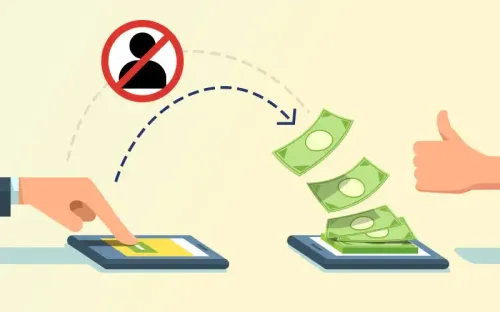
In India, the use of biometric authentication and direct digital transfers has enhanced the delivery of essential services like food rations, social pensions, LPG subsidies, fertilizer assistance, and rural wages, effectively minimizing the need for intermediaries and decreasing administrative expenses.
According to estimates from the World Bank, India could potentially save up to $10 billion annually by eradicating fraudulent claims and preventing duplicate identities through the implementation of Aadhaar-enabled systems.
The Aadhaar system has contributed to reducing administrative costs and curtailing leakages within some of the world's largest social subsidy initiatives. Case studies from states like Andhra Pradesh, Jharkhand, and Rajasthan demonstrate improved service delivery without excluding legitimate beneficiaries.
Mario Gonsalves, the India Leader of BCG’s Public Sector Practice, remarked, "India’s swift embrace of digital infrastructure in public service delivery and payments enables it to integrate integrity from the ground up. Solutions enhanced by AI can drastically diminish leakage in welfare initiatives, bolster public trust, and ensure that governmental spending maximizes its positive impact on citizens."
Under the PM Kisan Samman Nidhi (PM-KISAN) Yojana, the Indian government has already transferred over Rs 3.7 lakh crore directly into the accounts of more than 11 crore farmer families nationwide.
The integration of the Public Financial Management System (PFMS) with Digital Payments and Direct Benefit Transfer (DBT) mechanisms guarantees that subsidies and welfare benefits are delivered directly to the intended recipients, thereby minimizing loss and duplication.
Moreover, the advent of digital tools for revenue generation, including e-invoicing, e-way bills, and faceless assessments, has broadened the tax base while simultaneously reducing evasion. This comprehensive approach has strengthened revenue streams and improved fiscal health without necessitating an increase in tax rates.
Point of View
I emphasize that India's progress in adopting Aadhaar-linked payments showcases a pivotal shift towards greater transparency and efficiency in public service delivery. The data reflects a commitment to improving welfare systems and ensuring that resources reach those who need them the most. This is a positive step for the nation, reinforcing the importance of integrity in governance.
NationPress
9 Oct 2026
Frequently Asked Questions
What is the Aadhaar-linked payment system?
The Aadhaar-linked payment system integrates biometric verification to facilitate direct digital transfers, enhancing transparency and reducing welfare leakage.
How much welfare leakage has been reduced in India?
India has achieved a reduction in welfare leakage by approximately 12.7% through Aadhaar-linked digital payment initiatives.
What potential savings could India achieve with Aadhaar?
Estimates suggest that India could save up to $10 billion annually by eliminating fraudulent claims and duplicate identities.
Which states in India have shown improvement in welfare delivery?
States like Andhra Pradesh, Jharkhand, and Rajasthan have demonstrated improved welfare delivery without excluding genuine beneficiaries.