Goyal Highlights HUL Suvidha Kendras for Daily Essentials
Synopsis
Commerce Minister Piyush Goyal spotlighted HUL Suvidha Kendras on June 7, calling them a complete solution for daily consumer needs. The move underlines the government's push to leverage private FMCG networks for last-mile access to everyday essentials across India.
Key Takeaways
Piyush Goyal , Union Commerce and Industry Minister, promoted HUL Suvidha Kendras in a video post on June 7, 2026 .
The post, in Hindi, stated that 'everything needed for your daily routine is available' at these outlets.
Hindustan Unilever Limited is India's largest FMCG company, operating a vast distribution network across urban and rural India.
The government has a pattern of engaging private FMCG infrastructure to support ease-of-living and last-mile consumer access goals.
Key beneficiaries include consumers in Tier-2, Tier-3 cities and rural households with limited access to organised retail.
Formal public-private partnership announcements on consumer service centres may follow in the next parliamentary session or Budget cycle .
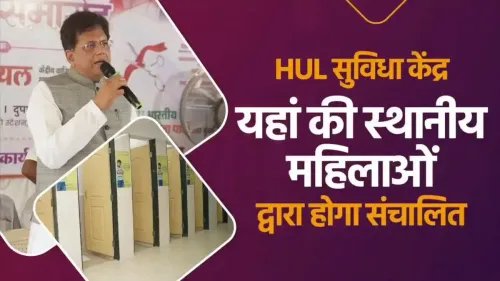
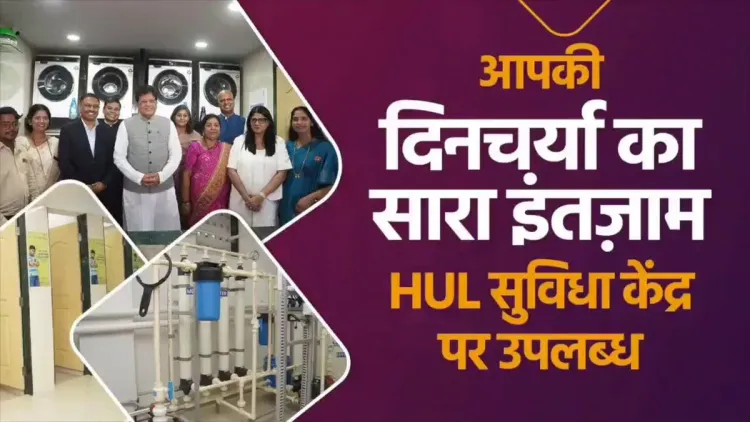
Union Commerce and Industry Minister Piyush Goyal on Sunday, June 7, 2026, drew attention to HUL Suvidha Kendras as a one-stop solution for consumers' everyday needs, sharing a video post on X that spotlighted the outlet network run by Hindustan Unilever Limited (HUL).
In his post, the minister wrote — 'आपकी दिनचर्या का सारा इंतज़ाम HUL सुविधा केंद्र पर उपलब्ध' — translating broadly to: 'Everything needed for your daily routine is available at the HUL Suvidha Kendra.'
Context
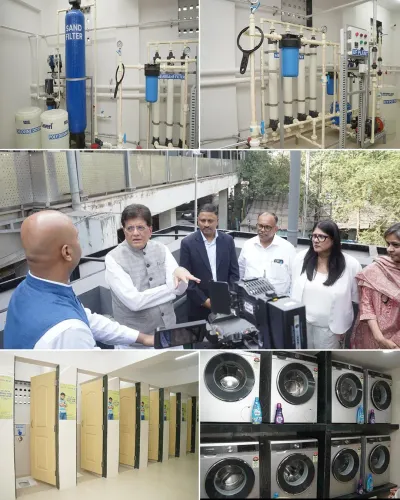
Hindustan Unilever Limited is one of India's largest fast-moving consumer goods (FMCG) companies and a subsidiary of the global conglomerate Unilever. The company operates an extensive distribution and retail network spanning urban centres and rural hinterlands, supplying products ranging from personal care and home care to food and beverages. The HUL Suvidha Kendra model positions select outlets as neighbourhood service points where consumers can access a range of HUL products and, in some cases, refill or exchange packaging.
Minister Goyal, who also serves as Leader of the House in the Rajya Sabha, has been an active voice on matters of consumer welfare, supply-chain development, and ease of living — themes that align with the Commerce Ministry's broader mandate.
Policy Backdrop
Indian governments have historically collaborated with established FMCG firms to strengthen last-mile delivery of daily essentials, particularly for rural households and semi-urban consumers who may have limited access to large retail formats. Commerce Ministry outreach to private players has consistently emphasised supply-chain efficiency and product availability under the wider ease-of-living policy framework.
Such public endorsements by senior ministers signal an intent to integrate private consumer infrastructure into broader public welfare objectives — a pattern visible across sectors from digital payments to health and nutrition distribution.
Stakeholders and Impact
The primary beneficiaries of an expanded HUL Suvidha Kendra footprint are everyday consumers, particularly those in Tier-2, Tier-3 cities and rural areas where organised retail penetration remains low. By consolidating daily-use products under a single outlet, the model aims to reduce the number of touchpoints a household must visit for routine purchases.
For HUL, a high-profile ministerial mention amplifies brand visibility and may support distributor and franchisee recruitment. For the government, associating with a well-recognised private network reinforces its narrative of leveraging corporate infrastructure for citizen convenience.
What's Next
Observers will watch for any formal public-private partnership announcements involving the Commerce Ministry and FMCG players during the upcoming parliamentary session or the next Union Budget cycle. Should the government formalise a framework for integrating Suvidha Kendra-style outlets into last-mile welfare delivery — for instance, as points for subsidised goods or government scheme enrolment — the model could gain significant policy traction. Minister Goyal's post, while promotional in tone, may be an early signal of deeper institutional engagement between the ministry and Hindustan Unilever on consumer access goals.
Point of View
The government signals that ease-of-living goals need not rely solely on state infrastructure. This approach carries political utility — associating the ruling dispensation with tangible, everyday convenience — while also offering HUL a significant reputational boost. The key question going forward is whether this remains a soft endorsement or crystallises into a formal policy framework linking FMCG outlets to government welfare programmes.
NationPress
21 Oct 2026
Frequently Asked Questions
What is an HUL Suvidha Kendra?
An HUL Suvidha Kendra is a neighbourhood retail outlet operated under the Hindustan Unilever Limited network, designed to provide consumers with a range of everyday FMCG products — including personal care, home care, and food items — at a single location, often with refill or exchange services.
Why did Piyush Goyal post about HUL Suvidha Kendras?
Union Commerce and Industry Minister Piyush Goyal shared a video on June 7, 2026, highlighting HUL Suvidha Kendras as a convenient one-stop solution for daily consumer needs, in line with the government's broader ease-of-living and last-mile distribution goals.
What is Hindustan Unilever Limited and what does it do in India?
Hindustan Unilever Limited (HUL) is India's largest fast-moving consumer goods company and a subsidiary of Unilever. It manufactures and distributes products across personal care, home care, and food categories through an extensive network covering urban and rural India.
How do HUL Suvidha Kendras benefit rural consumers?
HUL Suvidha Kendras aim to consolidate daily essentials under one roof, reducing the number of outlets rural and semi-urban consumers need to visit. This is particularly valuable in areas where organised retail penetration is low.
Could HUL Suvidha Kendras be linked to government welfare schemes?
While no formal announcement has been made, the Commerce Ministry's engagement with private FMCG networks suggests that outlets like HUL Suvidha Kendras could potentially be integrated into public welfare delivery mechanisms — such as subsidised goods distribution or scheme enrolment — in future policy frameworks.