Goyal Draws Sharp Contrast Between Pre- and Post-2014 FTAs
Synopsis
Commerce Minister Piyush Goyal on 27 October 2026 posted a video contrasting India's pre-2014 goods-centric FTAs, such as the ASEAN and Japan deals, with post-2014 agreements like the UAE CEPA and Australia ECTA, arguing the newer deals carry stronger rules of origin, services chapters, and investment provisions.
Key Takeaways
Piyush Goyal posted on 27 October 2026 drawing a direct comparison between India's pre- and post-2014 Free Trade Agreements.
Pre-2014 deals — including the India-ASEAN FTA (2010) and India-Japan CEPA (2011) — were primarily goods-centric and criticised for widening trade deficits.
Post-2014 agreements such as the India-UAE CEPA (February 2022) and India-Australia ECTA (December 2022) include stronger rules of origin, services chapters, and investment provisions.
India withdrew from RCEP in 2019 citing import-surge risks and inadequate services access, signalling a more selective negotiating stance.
Active negotiations with the EU , UK , and Canada will be the next test of whether the upgraded doctrine delivers.
Utilisation data and export growth from the UAE and Australia agreements remain key metrics to watch for validating the post-2014 FTA model.
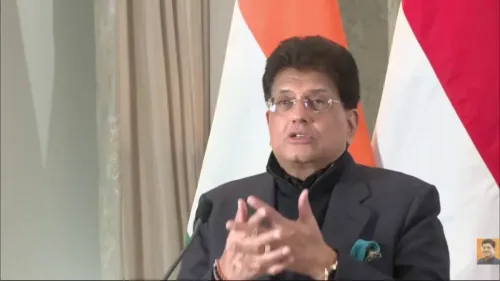
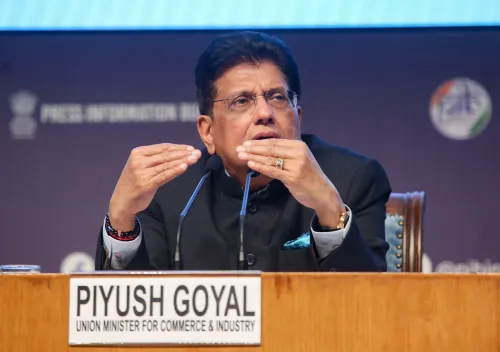
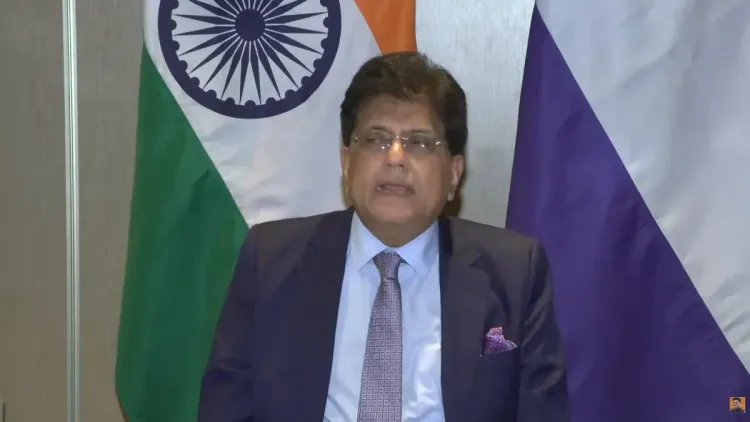
India's trade negotiation playbook has been rewritten — and Union Commerce and Industry Minister Piyush Goyal wants you to see exactly how, line by line. On Tuesday, 27 October 2026, the minister posted on X with a pointed declaration: 'This is the difference between pre-2014 FTAs and those negotiated now!' — a direct challenge to critics who argue continuity across governments on trade policy.
What Goyal Is Actually Claiming
The post, accompanied by a video, draws a comparative frame between the trade agreements India signed before 2014 and the bilateral deals struck under the current government. While the specific data in the video could not be independently verified at time of publishing, the broader contrast Goyal is invoking is well-documented in trade policy circles.
Pre-2014 agreements — most notably the India-ASEAN FTA signed in 2010 and the India-Japan CEPA signed in 2011 — were primarily goods-centric, featuring phased tariff reductions but weak rules of origin and limited services access. Critics, including domestic industry groups and MSME manufacturers, long argued those deals widened trade deficits without unlocking commensurate export gains.
The Post-2014 Architecture: UAE, Australia and Beyond
The agreements Goyal's ministry has anchored since 2019 take a different shape. The India-UAE Comprehensive Economic Partnership Agreement, signed in February 2022, was India's first major post-2014 bilateral FTA and explicitly embedded stronger rules of origin, services chapters, and investment provisions. The India-Australia Economic Cooperation and Trade Agreement, signed in December 2022, followed a similar template covering goods, services, and investment in a single frame.
Both agreements were designed with a dual mandate: open export corridors for Indian goods and services while protecting domestic manufacturing — the same logic that drove India's high-profile withdrawal from RCEP negotiations in 2019, when New Delhi cited risks of import surges and inadequate services reciprocity.
Why the Framing Matters Now
Goyal's post lands at a moment when India is deep in simultaneous negotiations with the EU, the UK, and Canada — three deals that would dwarf earlier agreements in both scale and complexity. The minister's implicit argument is that the institutional capacity and negotiating doctrine have been upgraded, not just the ambition.
For Indian exporters and MSME manufacturers — the constituencies most scarred by the deficit blowbacks of the early agreements — the proof will ultimately lie in utilisation rates and export growth data from the UAE and Australia deals, numbers that trade economists are watching closely.
One question hangs over the whole comparison: the pre-2014 agreements took years to show their full impact, positive and negative. The post-2014 deals are still relatively young. The scorecard Goyal is posting may yet be written in full — but the terms of the debate, at least, are now firmly set on his ground.
Point of View
UK, and Canada — positioning the current government's trade doctrine as structurally superior to what came before. By anchoring the contrast in the ASEAN and Japan deals' deficit legacy versus the UAE and Australia agreements' design architecture, he is building a political and technocratic case simultaneously. The move also serves a domestic audience: MSME groups and manufacturers who opposed RCEP need reassurance that the new deals are built differently. Whether the post-2014 architecture actually delivers the promised export dividends will be the real verdict — and that data is still accumulating.
NationPress
27 Oct 2026
Frequently Asked Questions
What is the difference between India's pre-2014 and post-2014 FTAs?
Pre-2014 agreements like the India-ASEAN FTA and India-Japan CEPA were primarily focused on goods tariff reductions and were criticised for widening trade deficits. Post-2014 deals such as the India-UAE CEPA and India-Australia ECTA include stronger rules of origin, dedicated services chapters, and investment provisions designed to balance trade flows.
What did Piyush Goyal post about FTAs on 27 October 2026?
Commerce Minister Piyush Goyal posted a video on X on 27 October 2026 stating, 'This is the difference between pre-2014 FTAs and those negotiated now!' — drawing a comparative contrast between India's older and newer trade agreements.
Why did India withdraw from RCEP?
India withdrew from RCEP negotiations in 2019, citing concerns about the risk of import surges from member countries and inadequate reciprocal access for Indian services exporters.
What are India's major post-2014 FTAs?
India's two landmark post-2014 bilateral trade agreements are the India-UAE Comprehensive Economic Partnership Agreement signed in February 2022, and the India-Australia Economic Cooperation and Trade Agreement signed in December 2022.
Which FTA negotiations is India currently pursuing?
As of late 2026, India is in active negotiations for comprehensive trade agreements with the European Union, the United Kingdom, and Canada — deals that would be among the largest India has ever attempted.