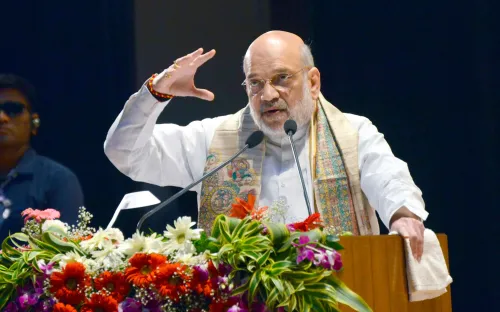
Piyush Goyal credits Amit Shah's planning for Naxal-free India push
Synopsis
At an NID Gandhinagar event, Commerce Minister Piyush Goyal publicly credited Home Minister Amit Shah’s ‘design thinking’ approach for India’s anti-Naxal gains — and held up Gadchiroli, once a Naxal stronghold, as proof that security and development can move together. The framing ties a security milestone to an innovation agenda in one political moment.
Key Takeaways
Piyush Goyal on 17 May credited Amit Shah with leading India’s push to become “Naxal-free” at the NID Gandhinagar inauguration.
Goyal described Shah as “a very powerful leader and statesman” who applied ‘design in thinking’ to security and governance.
Gadchiroli, Maharashtra — once a Naxal stronghold — was cited as a model, now reportedly hosting steel factories, mining, and large-scale business activity.
The minister called for incubation centres to expand innovation to Tier-2 and Tier-3 towns beyond metros.
Goyal linked India’s anti-Naxal gains to a broader agenda of resilient supply chains, clean energy, and technology-driven manufacturing.
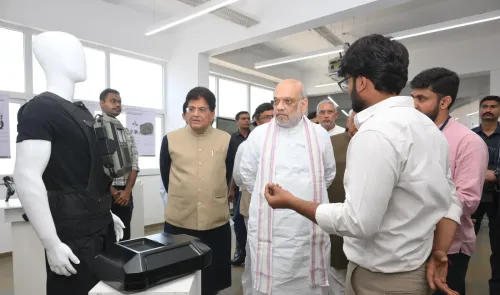
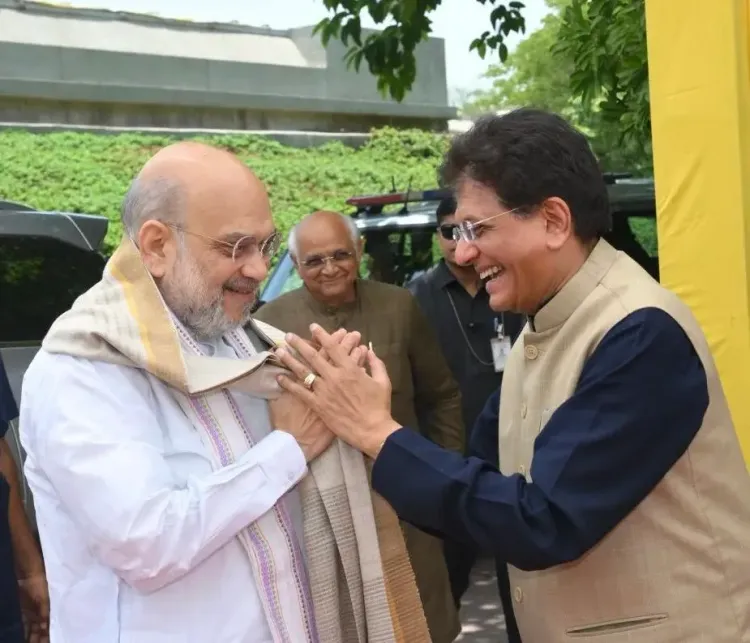
Union Commerce and Industry Minister Piyush Goyal on Sunday, 17 May credited Union Home Minister Amit Shah with spearheading India's drive toward becoming “Naxal-free,” saying the government’s success in Left-wing extremism-affected regions stemmed from meticulous planning, structured execution, and sustained development. Goyal made the remarks at the inauguration of the Innovation and Incubation Centre at the National Institute of Design (NID) in Gandhinagar, Gujarat.
Goyal’s Tribute to Amit Shah
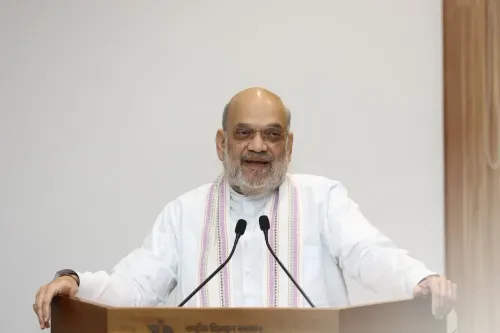
Describing Amit Shah as “a very powerful leader and statesman,” Goyal said the Home Minister had “recently achieved the remarkable feat of making India free from Naxalism.” He framed Shah’s governance approach as an embodiment of “design in thinking” — the same principle celebrated at the NID event — applied to security and public administration.
“Whether it is election campaigns, government schemes or ending Naxalism, if we work with thoughtful design, then the country can progress rapidly,” Goyal said. He called both Prime Minister Narendra Modi and Shah role models in governance, citing their “meticulous planning, detailing, seriousness and depth in every aspect and executing programmes in a structured way.”
Gadchiroli as a Symbol of Transformation
Goyal pointed specifically to Gadchiroli in Maharashtra — long regarded as one of the most Naxal-affected districts in the country — as a showcase of the turnaround. “Today, Gadchiroli is witnessing business worth lakhs of crores, steel factories and mining, and people are earning livelihoods,” he said.
The minister noted that districts once considered inaccessible were now seeing rapid economic and infrastructure changes. “The whole world is watching how Amit Shah transformed districts once affected by severe Naxalism, where there was no development or infrastructure,” Goyal added. This comes amid a broader government push that has, according to official claims, significantly reduced Naxal violence in the so-called ‘Red Corridor’ over the past decade.
Innovation, Incubation and India’s Economic Agenda
Goyal linked the anti-Naxal strategy to a wider national vision of development-led governance, arguing that the same design-thinking framework should drive India’s innovation ecosystem. He said incubation centres like the one at NID Gandhinagar would help young innovators convert ideas into commercially viable products.
“The real test of innovation is not whether it is advanced technology, but whether it improves people’s lives, gives industries and businesses greater convenience, creates jobs, strengthens the economy and improves productivity and efficiency,” he said.
The minister also called for expanding incubation infrastructure beyond metropolitan cities to Tier-2 and Tier-3 towns, where rising digital access and mentoring opportunities are enabling young entrepreneurs to build startups with global reach.
Broader Context
India was now focusing on “resilient supply chains, sustainability, clean energy and technology-driven manufacturing,” Goyal said, framing these as the next frontier after the security gains in formerly Naxal-hit regions. Notably, the Centre has repeatedly flagged declining Naxal incidents in recent years, though independent assessments of the situation on the ground have at times varied from official tallies. The inauguration of the NID incubation centre provided the government an opportunity to connect its security narrative with its economic and innovation agenda ahead of upcoming state elections.
Point of View
Positioning a security crackdown as developmental governance. The Gadchiroli example is real, but the picture is mixed: independent analysts note that while violence has fallen sharply, questions about displacement, forest rights, and the pace of inclusive growth in tribal regions remain live. The government’s narrative of a Naxal-free India is compelling electorally, but the finish line on ground-level development is harder to declare than a reduction in armed incidents.
NationPress
19 Sept 2026
Frequently Asked Questions
What did Piyush Goyal say about Amit Shah and Naxalism?
Piyush Goyal credited Amit Shah with achieving the ‘remarkable feat’ of making India free from Naxalism, calling him a powerful leader whose structured, design-driven governance approach had transformed formerly extremism-hit districts. He made these remarks at the NID Gandhinagar inauguration on 17 May.
What is the significance of Gadchiroli in the anti-Naxal context?
Gadchiroli in Maharashtra was long considered one of India’s most severely Naxal-affected districts. Goyal cited it as a symbol of transformation, pointing to large-scale steel, mining, and industrial activity now taking place there, and arguing that people in the region are now earning livelihoods.
Where did Piyush Goyal make these remarks?
Goyal spoke at the inauguration of the Innovation and Incubation Centre at the National Institute of Design (NID) in Gandhinagar, Gujarat, on Sunday, 17 May.
What was Goyal’s message on innovation and incubation centres?
Goyal said incubation centres should help young innovators turn ideas into commercially viable products and must expand beyond metros to Tier-2 and Tier-3 towns. He argued the real test of innovation is whether it improves lives, creates jobs, and boosts economic productivity.
How does the government define its Naxal-free India goal?
The Centre has claimed a significant reduction in Left-wing extremism incidents and geographic spread of Naxal influence over the past decade, attributing this to a combination of security operations and infrastructure-led development in affected regions. However, independent assessments of ground-level outcomes have at times differed from official figures.