Goyal Eyes India-Egypt Win-Win in Pharma, Tech, Agri

Synopsis
Commerce Minister Piyush Goyal has outlined a five-sector India-Egypt win-win partnership covering pharma, engineering, agriculture, digital-fintech, and museums, signalling a push to deepen one of India's oldest bilateral ties as part of its broader Global South strategy.
Key Takeaways
Five sectors earmarked for India-Egypt cooperation: pharma and health, engineering and automotives, agriculture and food processing, digital and fintech, and museums.
Minister Piyush Goyal framed the engagement publicly as a 'win-win partnership' on November 15, 2026 .
India and Egypt have maintained formal diplomatic ties since 1947 and cooperate through a Joint Commission framework.
Egypt is viewed as a strategic gateway for Indian firms into the broader African market .
The digital and fintech pillar signals potential for India's UPI-powered technology stack to find a new partner market.
Possible follow-up mechanisms include Joint Trade Committee discussions and sector-specific MoUs .
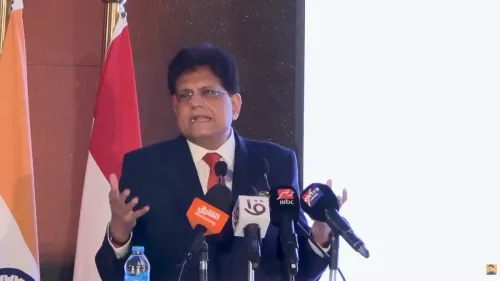
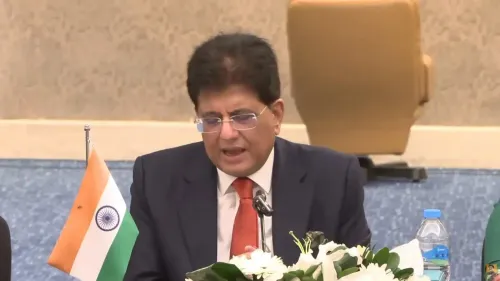
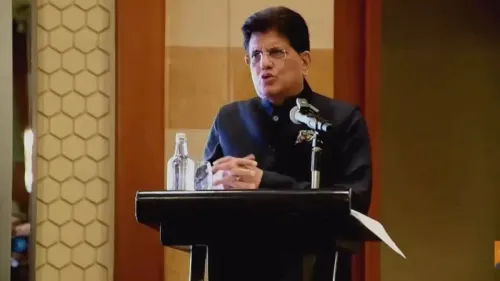
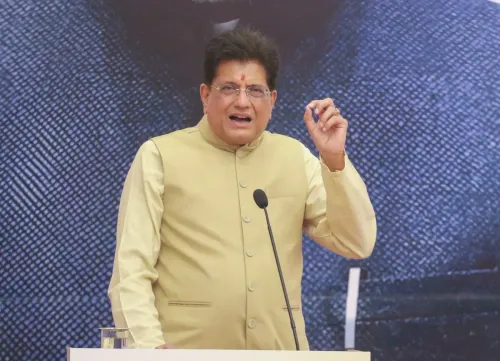
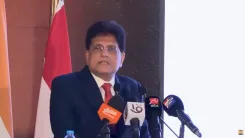
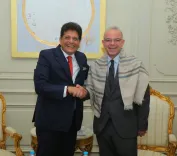
Five sectors. One strategic bet. Union Commerce and Industry Minister Piyush Goyal on Sunday, November 15, 2026 publicly mapped out a vision for a deepened India-Egypt economic partnership, spotlighting pharma, engineering and automotives, agriculture and food processing, digital and fintech, and museums as the five pillars of a potential 'win-win' relationship.
Five Sectors, One Strategic Corridor
Goyal's post names a tightly chosen basket of industries — each one carrying unmistakable logic. India is already the world's pharmacy to developing nations; Egyptian demand for affordable generics and health infrastructure gives that trade an obvious home. Engineering goods and automotives represent one of India's fastest-growing export categories, and Egypt's young, expanding economy is a hungry consumer. Agriculture and food processing, meanwhile, leverage India's surplus production capacity against Egypt's food-security imperatives.
The digital and fintech inclusion is arguably the boldest signal. India's UPI-powered stack has drawn interest across the Global South, and Egypt — in the midst of its own digital-finance push — fits the template of a country ready to adopt or co-build with Indian technology partners. The addition of museums as a cooperation theme hints at a cultural-diplomacy dimension running alongside the commerce agenda.
India-Egypt Ties: A Long Runway, A New Push
India and Egypt established formal diplomatic relations in 1947, making theirs among the oldest bilateral ties in the post-colonial world. Periodic Joint Commission meetings on economic cooperation have kept the channel open, but the relationship has historically punched below its strategic weight given the geographic and demographic scale of both countries.
Egypt occupies a uniquely leveraged position on India's expanding trade map: it sits at the crossroads of Africa, the Mediterranean, and the Middle East, making it a potential gateway for Indian firms seeking a foothold in the broader African market — a goal that fits squarely inside India's larger Global South engagement strategy. With Indian exporters actively seeking market diversification beyond traditional Western destinations, Egypt's 100-million-plus population and its role as a continental trade hub make the case for deeper ties almost self-evident.
What Joint Trade Talks Could Deliver Next
Observers will now watch whether Goyal's sector-specific framing translates into concrete follow-through — particularly through the India-Egypt Joint Trade Committee framework, where sector-level MoUs and investment facilitation agreements are the typical output. Indian pharma exporters and digital-services firms are among the stakeholders most immediately positioned to benefit should formal targets be set in these verticals.
The minister's public articulation of a five-sector roadmap is itself a signal — it sets the negotiating agenda and puts both business communities on notice that bilateral ambition has a defined shape.
Egypt is not just a market; for India's Global South playbook, it is a multiplier — and Goyal just named the levers he intends to pull.
Point of View
Engineering, agri, fintech, and museums in a single breath, the minister signals that India wants a broad-based economic relationship, not a transactional commodity trade. This fits the Modi government's consistent effort to position India as a partner of choice for the Global South, with Egypt serving as a strategic gateway into Africa. The inclusion of digital and fintech — India's sharpest export-ready edge — suggests New Delhi is now confident enough in its tech-stack diplomacy to make it a centrepiece of even traditionally non-tech bilateral conversations.
NationPress
15 Nov 2026
Frequently Asked Questions
What sectors did Piyush Goyal identify for India-Egypt cooperation?
Goyal identified five sectors: pharma and health, engineering and automotives, agriculture and food processing, digital and fintech, and museums as pillars of a potential India-Egypt win-win partnership.
When did India and Egypt establish diplomatic relations?
India and Egypt established formal diplomatic relations in 1947 , making their bilateral ties among the oldest in the post-colonial era.
Why is Egypt important to India's trade strategy?
Egypt is strategically positioned at the crossroads of Africa, the Mediterranean, and the Middle East, making it a potential gateway for Indian exporters into the broader African market — a key goal under India's Global South engagement approach.
How could India-Egypt digital and fintech cooperation work?
India's UPI-powered digital payments infrastructure has attracted interest across the Global South. Egypt's own digital-finance growth makes it a candidate for adopting or co-developing with Indian technology partners.
What could follow from Goyal's India-Egypt sector push?
Concrete follow-up could include India-Egypt Joint Trade Committee discussions and the signing of sector-specific MoUs in pharma, engineering, agri, and digital services.