Goyal: India, Egypt to explore PTA or FTA after ToR talks
Synopsis
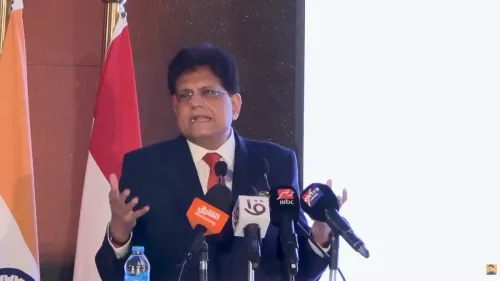
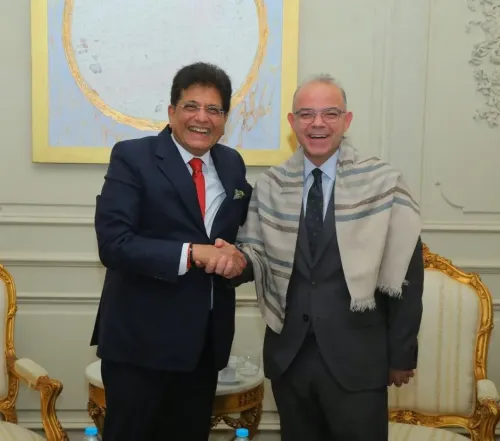
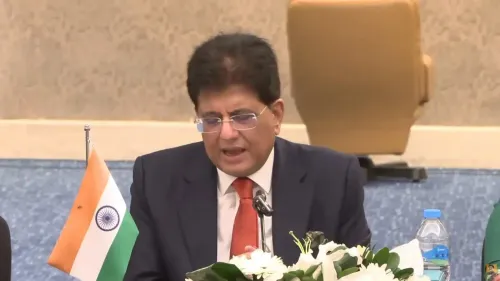
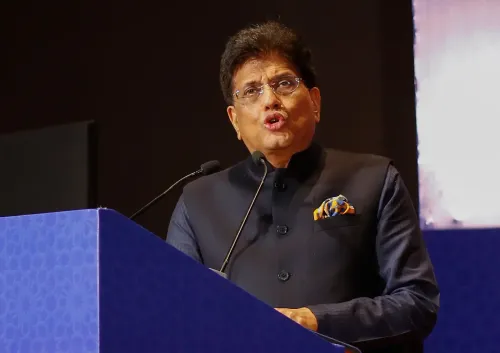
Commerce Minister Piyush Goyal announced on 15 November 2026 that India and Egypt will jointly draft Terms of Reference to determine whether to pursue a Preferential Trade Agreement or a full Free Trade Agreement, marking a formal step toward structured bilateral trade negotiations.
Key Takeaways
India and Egypt have agreed to work on Terms of Reference for a potential trade deal, announced on 15 November 2026 .
Both sides will examine whether to pursue a Preferential Trade Agreement (PTA) or a comprehensive Free Trade Agreement (FTA) .
The announcement was made by Union Commerce and Industry Minister Piyush Goyal via his official X account.
India signed trade pacts with the UAE and Australia in 2022 , and an Egypt deal would extend its bilateral network into Africa and the Mediterranean .
Egypt's strategic position on the Suez Canal makes it a potential gateway for Indian exports into African and Mediterranean markets.
The next milestone is the formal release of the Terms of Reference and a decision on the negotiating track.
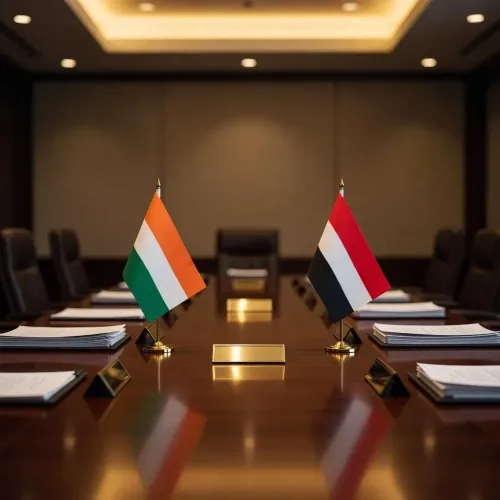
A new trade corridor between South Asia and North Africa just moved one step closer to reality. Union Commerce and Industry Minister Piyush Goyal announced on Sunday, 15 November 2026 that India and Egypt have agreed to work on the Terms of Reference and examine whether to pursue a Preferential Trade Agreement (PTA) or a full Free Trade Agreement (FTA) — the formal starting gun for structured trade negotiations between the two nations.
What 'Terms of Reference' actually means for India-Egypt trade
In trade diplomacy, agreeing to work on the Terms of Reference is the critical threshold between goodwill and governance. It means both sides have committed to defining the scope, timelines, and ambitions of any eventual deal — before a single tariff line is discussed. The choice between a PTA (which covers a limited basket of goods with reduced duties) and a full FTA (comprehensive tariff elimination across goods, services, and potentially investment) will shape the depth and speed of the entire process. That choice itself is now under examination, which signals the relationship is at an early but genuinely consequential stage.
Egypt as India's gateway to Africa and the Mediterranean
Egypt is not simply another bilateral partner on India's trade map. As the country that hosts the Suez Canal — one of the world's most critical shipping chokepoints — and as a member of both the African Union and the Arab League, it offers Indian exporters a potential springboard into African and Mediterranean markets simultaneously. India has been methodically building a network of bilateral trade pacts: a Comprehensive Economic Partnership Agreement with the UAE was signed in 2022, followed by an Economic Cooperation and Trade Agreement with Australia the same year. An eventual deal with Egypt would extend that arc into a region where China and Turkey have already been making infrastructure and trade inroads.
The road the ToR announcement signals
Exploratory frameworks of this kind have historically preceded formal negotiations with other West Asian and African economies in India's recent trade strategy. Indian exporters — particularly in pharmaceuticals, textiles, engineering goods, and agricultural products — stand to gain preferential access to Egypt's market, while Egyptian traders could benefit from easier routes into India's 1.4-billion-strong consumer base. The next concrete milestone to watch is the actual release of the agreed Terms of Reference and the formal announcement on which negotiating track — PTA or full FTA — both governments decide to pursue.
India's trade ambitions are pointing south and west — and Cairo just became a destination worth watching very closely.
Point of View
Reducing dependence on legacy trading blocs. Egypt's geographic leverage — straddling the Suez Canal, the African Union, and the Arab League — gives any eventual deal an outsized reach beyond the bilateral. The PTA-versus-FTA question is also politically telling: a PTA signals caution and a phased approach, while a full FTA signals confidence and long-term commitment. How India answers that question will reveal the true ambition behind this corridor.
NationPress
15 Nov 2026
Frequently Asked Questions
What is the India-Egypt PTA or FTA announcement about?
Commerce Minister Piyush Goyal announced on 15 November 2026 that India and Egypt will draft Terms of Reference to examine whether to pursue a Preferential Trade Agreement or a full Free Trade Agreement, beginning a formal trade negotiation process.
What is the difference between a PTA and an FTA?
A Preferential Trade Agreement (PTA) reduces tariffs on a limited basket of goods between two countries, while a Free Trade Agreement (FTA) is more comprehensive, covering broad tariff elimination across goods, services, and sometimes investment.
Why is Egypt important for India's trade strategy?
Egypt controls the Suez Canal, one of the world's busiest shipping routes, and is a member of both the African Union and the Arab League, making it a potential gateway for Indian goods into African and Mediterranean markets.
What trade deals has India signed recently?
India signed a Comprehensive Economic Partnership Agreement with the UAE and an Economic Cooperation and Trade Agreement with Australia, both in 2022. The India-Egypt framework would be a further extension of this bilateral trade expansion.
What happens after the Terms of Reference are agreed?
Once the Terms of Reference are finalised, they define the scope and ambition of negotiations. Both sides will then formally decide whether to proceed with a PTA or a full FTA before detailed tariff and trade talks begin.