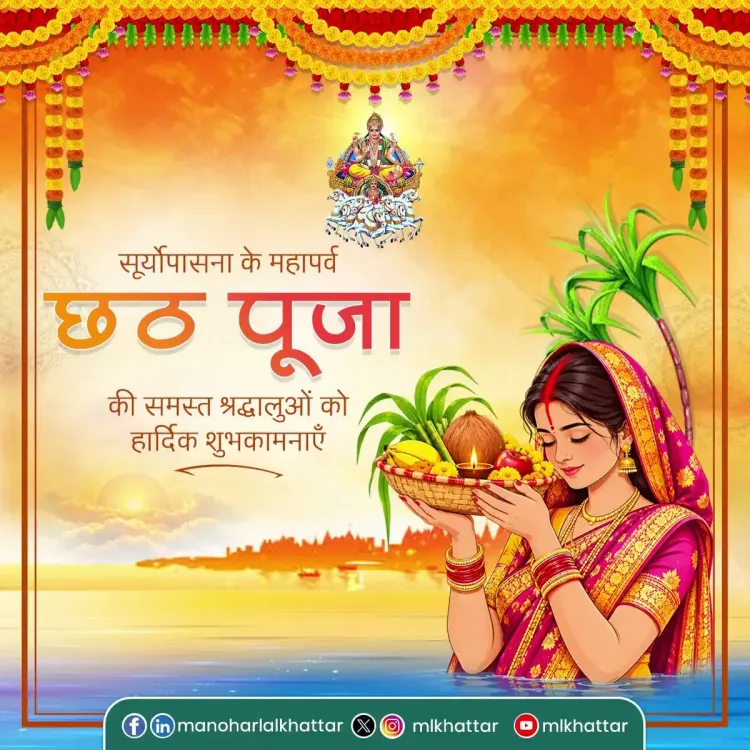
Khattar extends Chhath Puja Sandhya Arghya greetings
Synopsis
Union Power Minister Manohar Lal Khattar marked the Sandhya Arghya of Chhath Puja on 15 November 2026, praying that blessings of Surya Dev and Chhathi Maiya bring prosperity and joy to every household.
Key Takeaways
Union Power Minister Manohar Lal Khattar posted Chhath Puja greetings on 15 November 2026 .
The message focused on the Sandhya Arghya (evening ritual oblation), one of the central observances of the festival.
Khattar invoked blessings of Surya Dev and Chhathi Maiya for prosperity and well-being of all devotees.
Chhath Puja is primarily observed in Bihar , eastern Uttar Pradesh , and Jharkhand .
The message is part of a standard practice of senior Indian political leaders acknowledging major religious festivals publicly.
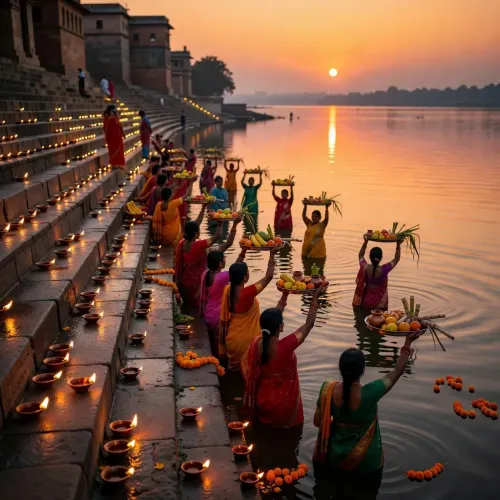
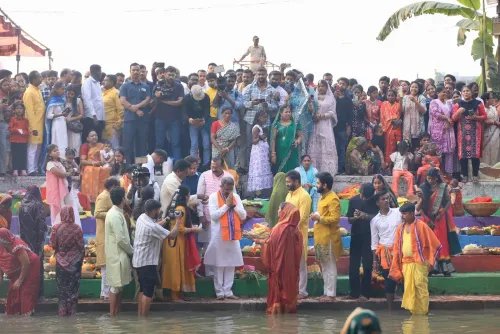
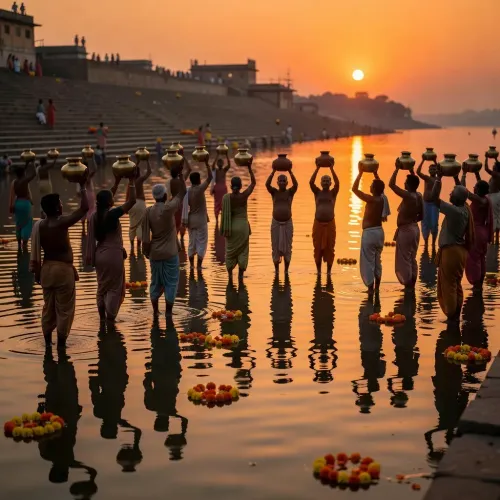
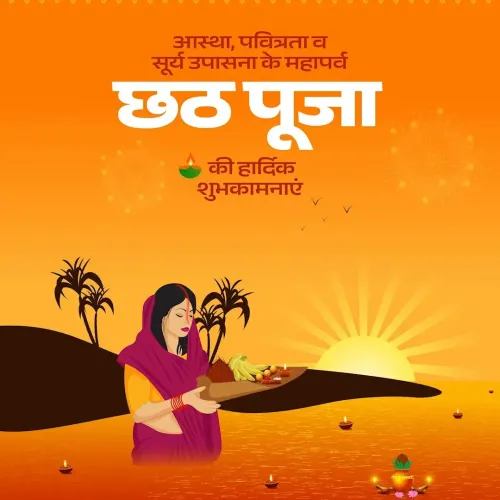
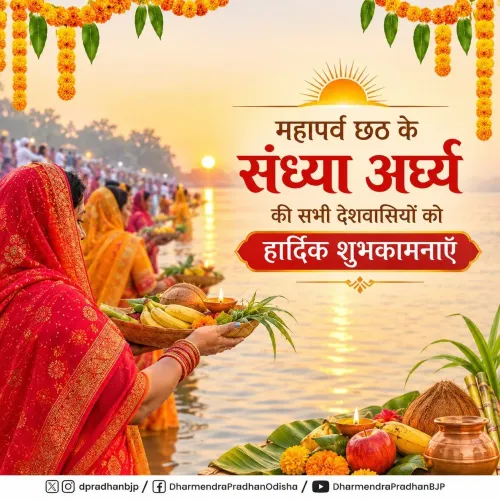
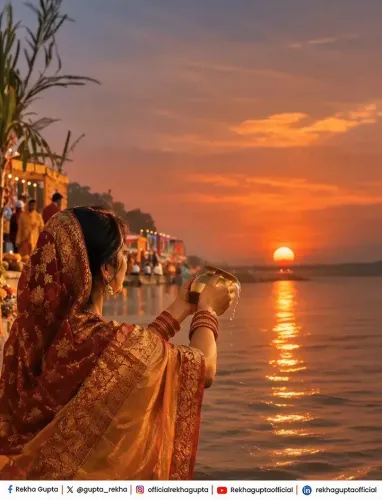
As millions of devotees stood at riverbanks across north India on Sunday, 15 November 2026, offering the evening arghya (ritual oblation) to the setting sun, Union Power Minister Manohar Lal Khattar extended warm greetings to all fasting observers and devotees on the occasion of Chhath Puja.
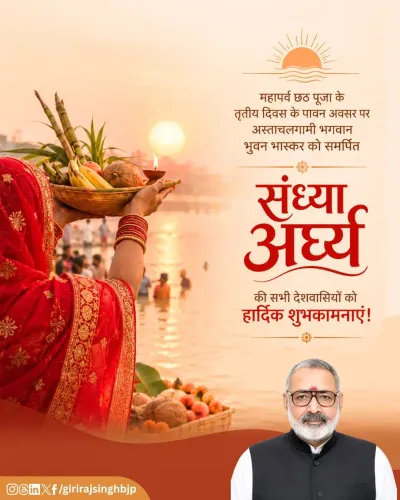
Posting on X in Hindi, the minister conveyed: 'Heartfelt congratulations and boundless good wishes to all vratis (fasting observers) and devotees on the evening arghya of Chhath Puja, the great festival of sun-worship. May this unparalleled festival of popular faith bring a new light of joy and enthusiasm into everyone's life. May the blessings of Lord Surya Dev and Chhathi Maiya ensure that every home and courtyard remains full of wealth and grain; may happiness, prosperity and bliss reside in all lives, and may all be blessed with well-being — this is my prayer. Jai Chhathi Maiya.'
What Chhath Puja means — and why politicians mark it
Chhath Puja is one of the most rigorous Hindu festivals on the calendar, observed primarily in Bihar, eastern Uttar Pradesh, and Jharkhand, and by diaspora communities worldwide. Devotees undertake multi-day fasting, ritual bathing, and two sets of arghya — to the setting sun in the evening and the rising sun at dawn — as acts of gratitude and prayer to Surya Dev and the folk deity Chhathi Maiya.
The festival carries deep cultural weight in the Hindi-speaking heartland, and senior political figures across parties routinely mark it with public messages. For Khattar, who built his political career in Haryana before becoming a Union minister, such outreach reflects the festival's broad resonance far beyond its core belt.
Point of View
Given the festival's deep roots in the politically critical states of Bihar and eastern Uttar Pradesh. For a former Haryana chief minister now holding a Union portfolio, such messages serve as low-cost, high-visibility touchpoints with a large and electorally significant demographic. The practice of cabinet ministers marking Chhath publicly underscores how the festival has evolved from a regional observance into a mainstream national political moment.
NationPress
15 Nov 2026
Frequently Asked Questions
What is Chhath Puja and when is it celebrated?
Chhath Puja is a major Hindu festival dedicated to Surya Dev (the Sun God) and Chhathi Maiya . It involves multi-day fasting and ritual offerings — including the Sandhya Arghya (evening oblation) and Usha Arghya (sunrise oblation) — and is primarily observed in Bihar , eastern Uttar Pradesh , and Jharkhand .
What is Sandhya Arghya in Chhath Puja?
Sandhya Arghya is the evening ritual during Chhath Puja when fasting devotees ( vratis ) stand in water and offer oblations to the setting sun as an act of devotion and gratitude.
Who is Manohar Lal Khattar?
Manohar Lal Khattar is the Union Minister of Power and Housing & Urban Affairs, a senior BJP leader, and former Chief Minister of Haryana.
Why do Indian ministers post Chhath Puja greetings?
Senior Indian political leaders across parties routinely issue public greetings on major religious festivals as part of standard outreach to voters and communities. Chhath Puja holds particular significance given the large population of devotees in Bihar , Uttar Pradesh , and Jharkhand .