Goyal Flags Bhujale, Kamal Talab as Malad's Top Destinations
Synopsis
Union Minister Piyush Goyal on June 7, 2026 declared that Bhujale Talab will become Malad's top destination and Kamal Talab will exemplify Indian culture, spotlighting two long-neglected Mumbai suburban lakes for civic and cultural redevelopment.
Key Takeaways
Piyush Goyal posted on June 7, 2026 predicting major upgrades for two lakes in Malad , Mumbai.
Bhujale Talab is earmarked to become Malad's 'number-one destination' for residents and visitors.
Kamal Talab is envisioned as a showcase of Indian culture within the suburb.
No specific budget, timeline, or implementing agency has been publicly confirmed for either project.
The announcement fits a broader national pattern of combining civic infrastructure with cultural identity themes.
Follow-up from the Brihanmumbai Municipal Corporation (BMC) or state authorities will determine the project's pace and scale.
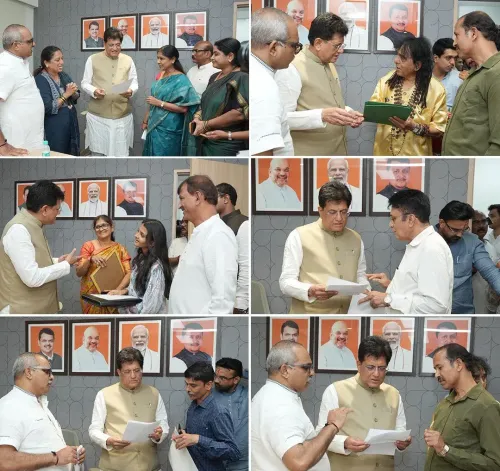
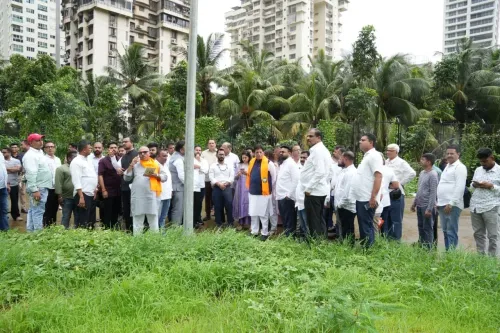
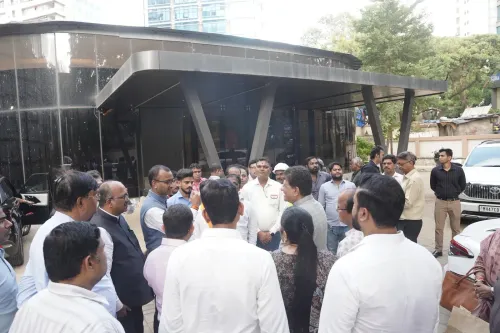
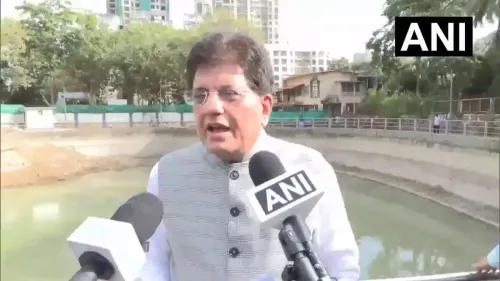
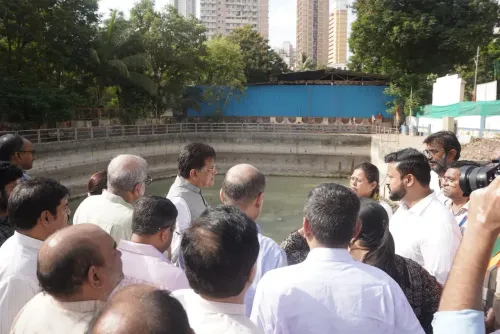
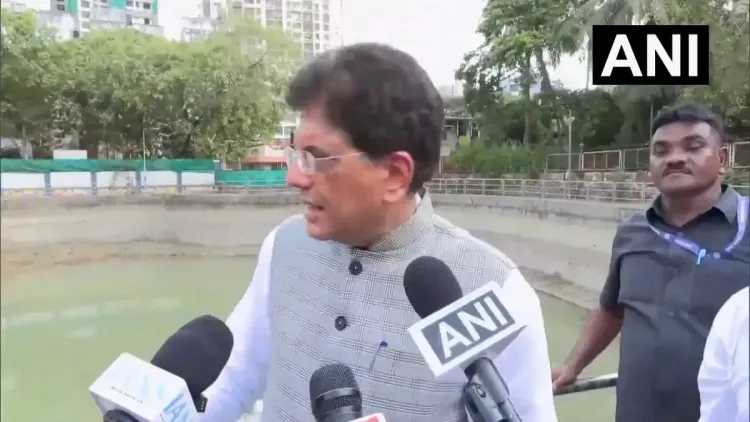
Union Commerce and Industry Minister Piyush Goyal on Sunday, June 7, 2026, predicted that two lakes in the western Mumbai suburb of Malad are set to become landmark civic and cultural spaces, signalling renewed attention to the area's public infrastructure.
Posting on X in Hindi, Goyal wrote: 'Aane wale dinon mein Bhujale Talab Malad ka number 1 destination aur Kamal Talab, Bharatiya sanskriti ka udaharan pesh karega' — 'In the coming days, Bhujale Talab will become Malad's number-one destination, and Kamal Talab will present an example of Indian culture.' The post was accompanied by a video.
Context
Malad is a densely populated western suburb of Mumbai in Maharashtra, encompassing both residential colonies and commercial stretches. Like many Mumbai suburbs, it contains several historically significant water bodies that have faced encroachment and neglect over the decades. Bhujale Talab and Kamal Talab are two such lakes within the constituency that local residents and civic groups have long sought to restore and beautify.
Indian ministers and elected representatives routinely use social media platforms to spotlight local civic projects, particularly in areas that form part of their political base. Goyal, a senior BJP leader, has maintained a visible presence in Mumbai's civic discourse alongside his national portfolio.
Policy Backdrop
Mumbai has seen a series of lake-restoration and public-space-improvement drives over the past decade, often led jointly by the Brihanmumbai Municipal Corporation (BMC) and state agencies. These projects typically blend environmental rehabilitation — desilting, bund repair, water-quality improvement — with the creation of promenades, gardens, and cultural installations for public use.
The framing of Kamal Talab as a showcase of 'Indian culture' aligns with a broader national pattern of infusing civic infrastructure projects with heritage and cultural identity themes, a trend visible in urban redevelopment efforts across several Indian cities in recent years.
Stakeholders and Impact
Residents of Malad and the surrounding western suburbs stand to be the most direct beneficiaries if the promised upgrades materialise. A fully developed Bhujale Talab could provide a recreational green space in an area where open public land is scarce, while a culturally themed Kamal Talab could draw visitors from across Mumbai, giving a modest boost to local vendors and the tourism ecosystem.
Environmental stakeholders will also be watching closely. Lake-restoration projects in Mumbai have historically faced challenges around sustained maintenance, encroachment removal, and ensuring water quality after the initial beautification phase.
What's Next
Concrete timelines, budgets, and the implementing agency — whether the BMC, the Maharashtra state government, or a central scheme — have not yet been publicly detailed. Follow-up announcements from civic authorities will be key to assessing the scale and pace of the proposed development. Goyal's post is likely to add public pressure on local bodies to formalise and expedite any plans already in the pipeline, turning a social-media statement into a civic accountability moment for Malad's two lakes.
Point of View
Tethering a high-profile central portfolio to hyper-local civic concerns. The dual framing — one lake as a leisure destination, the other as a cultural landmark — mirrors the Modi government's wider urban-renewal playbook that pairs amenity creation with heritage branding. Without a budget line or BMC endorsement, the statement functions primarily as political signalling, but it does create a public record that local activists and opposition councillors can cite to demand accountability. The real test will be whether the announcement translates into a formal project sanction before the next municipal election cycle in Maharashtra.
NationPress
21 Oct 2026
Frequently Asked Questions
What is Bhujale Talab in Malad?
Bhujale Talab is a lake located in Malad, a western suburb of Mumbai. Union Minister Piyush Goyal has described it as a future 'number-one destination' for the area, suggesting plans for civic beautification and public-space development.
What is Kamal Talab and why is it significant?
Kamal Talab is another lake in Malad, Mumbai. Piyush Goyal has indicated it will be developed to showcase Indian culture, aligning it with a broader national trend of infusing civic projects with heritage and cultural themes.
Who is responsible for developing the Malad lakes?
No specific implementing agency has been publicly confirmed. Projects of this nature in Mumbai typically involve the Brihanmumbai Municipal Corporation (BMC), the Maharashtra state government, or centrally sponsored urban schemes.
Has Piyush Goyal announced funds for Bhujale Talab and Kamal Talab?
As of the June 7, 2026 post, no specific budget or financial allocation has been publicly detailed. The announcement is a statement of intent; formal project sanctions would need to follow.
What is Mumbai's record on lake restoration projects?
Mumbai has undertaken several lake-restoration and beautification drives over the past decade, combining environmental cleanup with tourism and recreational development. However, sustained maintenance and encroachment removal have historically been challenges for such projects.