Piyush Goyal meets German leaders to boost India-EU trade deal
Synopsis
India's Commerce Minister Piyush Goyal sat down with German leaders on 14 May to push the India-EU FTA across the finish line — a deal that gives India market access for over 99% of its EU-bound exports and extends into AI, defence, and semiconductors. With Modi and von der Leyen having publicly committed to the agreement in January 2026, the clock is now ticking on delivery.
Key Takeaways
Commerce Minister Piyush Goyal met senior German leaders on 14 May 2026 to advance India-EU trade and economic cooperation.
Talks covered textiles, pharmaceuticals, renewable energy, mobility, and manufacturing .
The India-EU FTA was jointly announced by PM Modi and European Commission President Ursula von der Leyen in January 2026 in New Delhi.
India has secured market access for more than 99% of its exports to the EU by trade value under the FTA.
Labour-intensive sectors — including textiles, footwear, gems and jewellery, and automobiles — are expected to be the biggest beneficiaries.
The deal also covers cooperation in artificial intelligence, defence, and semiconductors , going beyond conventional trade terms.
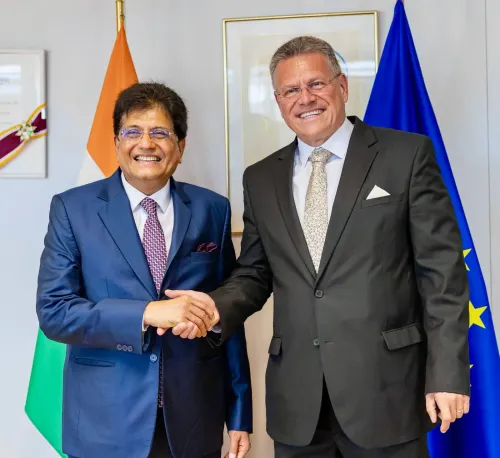
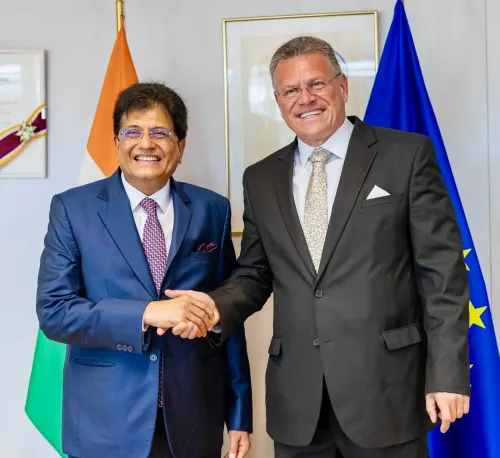
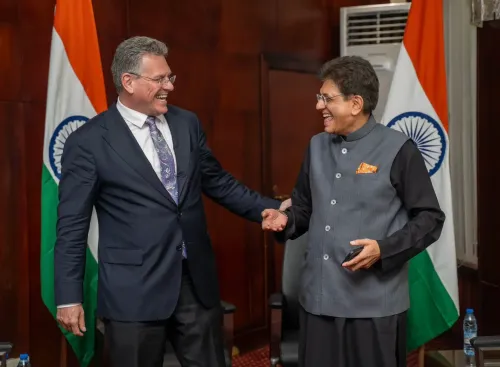
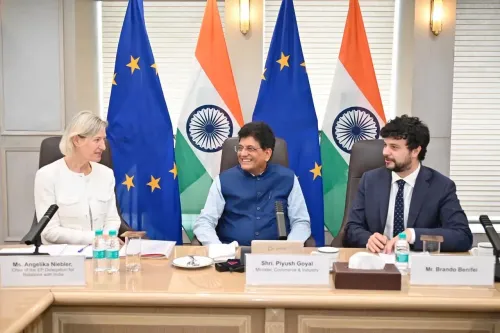
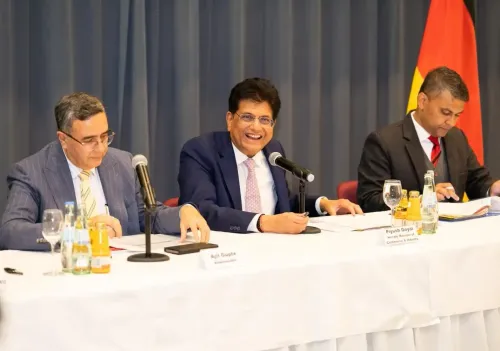
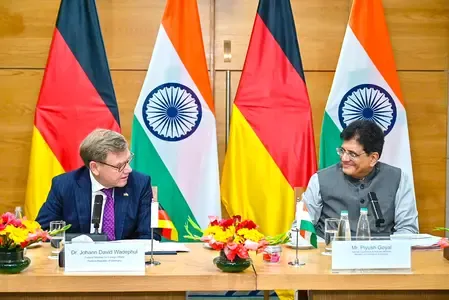
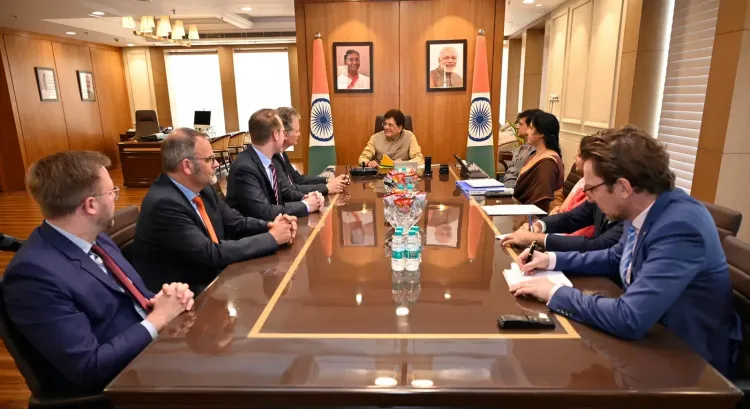
Commerce and Industry Minister Piyush Goyal on Thursday, 14 May held wide-ranging discussions with senior German leaders and policymakers in New Delhi, focusing on deepening India-Germany economic cooperation and accelerating progress on the India-EU Free Trade Agreement (FTA). The meeting signals fresh momentum behind a deal that both sides have described as among the most consequential trade agreements ever negotiated.
Key Areas of Discussion
'The discussions focused on strengthening the business environment, enhancing investment flows, and deepening collaboration across key sectors including textiles, pharmaceuticals, renewable energy, mobility and manufacturing,' Goyal said in a post on X.
Both sides acknowledged the significant potential for expanding bilateral trade, fostering innovation, and building resilient supply chains through stronger industry engagement, according to the minister.
FTA Progress and WTO Backdrop
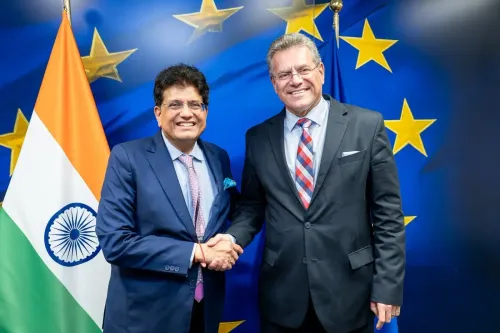
The Thursday meeting follows a high-level engagement in March, when Goyal met Maros Sefcovic, European Commissioner for Trade and Economic Security, on the sidelines of the 14th Ministerial Conference (MC14) of the World Trade Organisation (WTO) in Cameroon. At that meeting, the two sides reviewed progress on the India-EU FTA — a process formally announced by Prime Minister Narendra Modi and European Commission President Ursula von der Leyen in January 2026 in New Delhi.
Goyal noted that the March talks also covered 'avenues to further deepen our bilateral economic and trade partnership,' according to his X post at the time.
What the FTA Means for India
The India-EU FTA links the world's second- and fourth-largest economies, making it one of the largest trade agreements in history. Beyond tariff reduction, the deal encompasses cooperation in artificial intelligence, defence, and semiconductors, positioning it as a comprehensive strategic partnership rather than a conventional trade pact.
Notably, India has secured market access for more than 99 per cent of its exports to the EU by trade value — a landmark concession that significantly strengthens the Make in India initiative. Labour-intensive sectors stand to gain the most: textiles, apparel, leather, footwear, marine products, gems and jewellery, handicrafts, engineering goods, and automobiles are all expected to receive a decisive export boost, according to Goyal.
Broader Strategic Significance
The FTA is also designed to entrench rules-based trade and policy stability, making India more attractive to both domestic and foreign investors. Small businesses, startups, and workers are among those expected to benefit from expanded market access and new investment flows, the minister contended.
This comes amid a broader Indian diplomatic push to diversify trade partnerships as global supply chains are redrawn in the wake of geopolitical tensions and shifting US trade policy. Germany, as the EU's largest economy, is a critical interlocutor in that effort.
With the FTA's signing timeline now publicly committed to at the highest political level, the pace of technical negotiations and sectoral guidelines will be closely watched in the months ahead.
Point of View
And on paper the 99% market access figure is striking — but the real test will be in implementation timelines and non-tariff barriers, which have historically been the graveyard of ambitious trade deals. Germany's role as the EU's industrial anchor makes this bilateral engagement strategically smart, yet the sectors highlighted — textiles, footwear, gems — are precisely where EU standards compliance and origin rules can erode headline gains. The deal's extension into AI, defence, and semiconductors is significant and underreported: it signals that India is using trade architecture to lock in technology partnerships, not just export volumes. Whether the FTA's political momentum, now publicly owned by both Modi and von der Leyen, translates into a signed text before electoral cycles shift priorities in either bloc remains the central question.
NationPress
20 Sept 2026
Frequently Asked Questions
What is the India-EU Free Trade Agreement?
The India-EU FTA is a comprehensive trade and partnership agreement between India and the European Union, formally announced by Prime Minister Narendra Modi and European Commission President Ursula von der Leyen in January 2026 in New Delhi. It grants India market access for over 99% of its exports to the EU by trade value and extends cooperation to sectors including AI, defence, and semiconductors.
Why did Piyush Goyal meet German leaders on 14 May?
Commerce and Industry Minister Piyush Goyal met senior German policymakers and business leaders to strengthen India-Germany economic ties and advance the broader India-EU trade partnership. Discussions covered investment flows and collaboration in textiles, pharmaceuticals, renewable energy, mobility, and manufacturing.
Which Indian sectors benefit most from the India-EU FTA?
Labour-intensive sectors are the primary beneficiaries, including textiles, apparel, leather, footwear, marine products, gems and jewellery, handicrafts, engineering goods, and automobiles. The FTA is also expected to support small businesses and startups through expanded EU market access.
What was discussed at the WTO MC14 meeting in Cameroon?
In March, Goyal met EU Trade Commissioner Maros Sefcovic on the sidelines of the WTO's 14th Ministerial Conference in Cameroon, where they reviewed progress on the India-EU FTA and discussed priorities under the MC14 agenda, as well as avenues to deepen bilateral economic ties.
How significant is the India-EU FTA globally?
The agreement links the world's second- and fourth-largest economies, making it one of the largest trade deals ever negotiated. Beyond tariffs, it covers strategic domains such as artificial intelligence, defence, and semiconductors, framing it as a comprehensive partnership rather than a conventional trade agreement.