Goyal Meets Nexperia Interim CEO on Semiconductor Ties
Synopsis
Union Commerce Minister Piyush Goyal met Nexperia Interim CEO Stefan Tilger to discuss semiconductor collaboration, signalling India's continued push to build resilient chip supply chains under the Rs 76,000 crore Semicon India programme.
Key Takeaways
Piyush Goyal met Stefan Tilger , Interim CEO of Nexperia , on 27 October 2026 to discuss semiconductor sector collaboration.
Nexperia is a Netherlands-headquartered maker of discrete semiconductor devices and power management components, now owned by Chinese firm Wingtech .
India's Semicon India programme , approved in 2021 , carries an outlay of Rs 76,000 crore to build domestic fabrication, assembly, and design capacity.
The meeting forms part of a broader pattern of government-level semiconductor engagements that has previously included firms such as Micron and Foxconn .
No formal investment commitments or MoUs from this meeting have been confirmed; next steps hinge on proposals under the India Semiconductor Mission and the electronics PLI scheme .
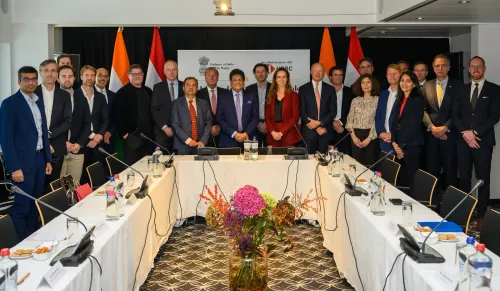
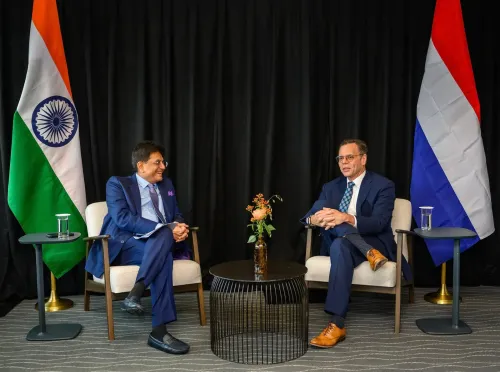
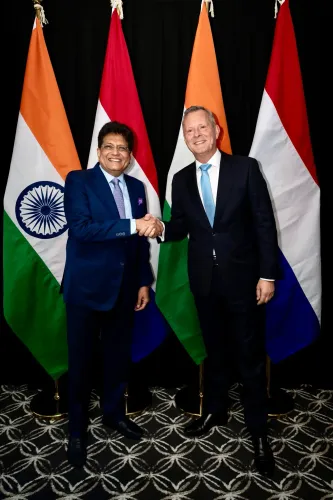
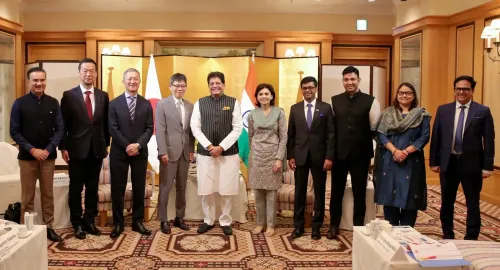
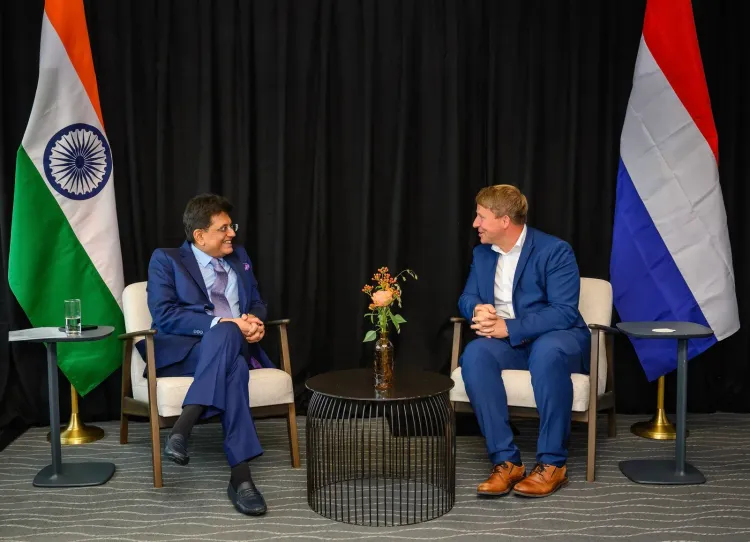
India's semiconductor ambitions moved into another boardroom on Tuesday, 27 October 2026, as Union Commerce and Industry Minister Piyush Goyal met Stefan Tilger, Interim CEO of Dutch semiconductor manufacturer Nexperia, to explore deeper collaboration in chip manufacturing and supply-chain resilience.
Why Nexperia's Interest in India Matters
Nexperia, headquartered in the Netherlands, is a global maker of discrete semiconductor devices and power management components — the unglamorous but indispensable building blocks of everything from smartphones to electric vehicles. The company, once part of NXP Semiconductors and now under the ownership of Chinese technology conglomerate Wingtech, sits at a complicated geopolitical crossroads. For India, which is actively diversifying its semiconductor sourcing away from single-geography dependence, that complexity is precisely what makes the conversation significant.
Minister Goyal framed the meeting around India's expanding electronics manufacturing base and its 'growing technology ecosystem', highlighting the country's potential to anchor resilient semiconductor supply chains — language that maps directly onto the strategic vocabulary of the India Semiconductor Mission.
The Rs 76,000 Crore Programme Driving These Conversations
India approved the Semicon India programme in 2021 with an outlay of Rs 76,000 crore to build domestic capabilities across fabrication, assembly, testing, and chip design. The ambition: reduce crippling import dependence on foreign chips and carve out a sovereign role in the global semiconductor value chain. The Goyal-Tilger meeting is the latest in a sequence of high-level industry engagements that includes earlier discussions with firms such as Micron and Foxconn for assembly and testing facilities.
Each engagement chips away — sometimes literally — at the infrastructure gap that has kept India a consumer rather than a producer in the global semiconductor hierarchy. Nexperia's specialisation in discrete devices and power components could offer India a practical, near-term entry point rather than the capital-intensive leap to advanced logic fabrication.
What to Watch as Talks Progress
No investment figures, MoUs, or formal project commitments have been announced from this meeting, and specific outcomes remain unconfirmed. The next concrete signals to track will be any investment proposals submitted under the India Semiconductor Mission or movement on the electronics Production Linked Incentive (PLI) scheme, where approved projects translate ambition into factory floors.
With geopolitical pressure on semiconductor supply chains intensifying globally, India's window to attract mid-tier component makers like Nexperia — firms that need to de-risk their own single-country manufacturing exposure — may be narrower than it looks. The clock, as much as the opportunity, is ticking.
Point of View
Targeting not just headline-grabbing fabrication deals but also the mid-tier component makers whose discrete devices underpin entire electronics value chains. Nexperia's Wingtech ownership adds a geopolitical dimension — India engaging a Chinese-owned Dutch firm signals a pragmatic, supply-chain-first calculus rather than an ideologically aligned partner strategy. This fits the broader Modi government pattern of diversifying semiconductor sourcing to hedge against both US-China decoupling risks and India's own historic chip import vulnerability. Whether talks translate into bricks-and-mortar investment will be the real test of the Rs 76,000 crore Semicon India programme's pulling power.
NationPress
27 Oct 2026
Frequently Asked Questions
Who is Stefan Tilger of Nexperia?
Stefan Tilger is the Interim CEO of Nexperia , a global semiconductor manufacturer headquartered in the Netherlands that specialises in discrete devices and power management components. Nexperia was formerly part of NXP Semiconductors and is now owned by Chinese technology company Wingtech .
What is the Semicon India programme?
The Semicon India programme was approved by the Indian government in 2021 with a financial outlay of Rs 76,000 crore . It is designed to build domestic semiconductor fabrication, assembly, testing, and chip-design capabilities, reducing India's dependence on imported chips.
Why is Piyush Goyal meeting semiconductor companies?
As Union Commerce and Industry Minister , Piyush Goyal oversees trade policy and investment promotion, including efforts to attract semiconductor firms to India under the India Semiconductor Mission . These meetings aim to convert India's electronics manufacturing growth into concrete chip-sector partnerships.
Is Nexperia investing in India?
No formal investment commitment or MoU from Nexperia has been announced following the 27 October 2026 meeting with Minister Goyal. The discussions focused on exploring collaboration opportunities; any investment proposal would need to proceed through the India Semiconductor Mission or the electronics PLI scheme .
Which other semiconductor companies has India engaged with?
Under the India Semiconductor Mission , India has held engagements with companies including Micron and Foxconn for semiconductor assembly and testing facilities, as part of its broader push to diversify global chip supply chains and reduce import dependence.