Goyal meets Safran EVP to boost aerospace Make in India
Synopsis
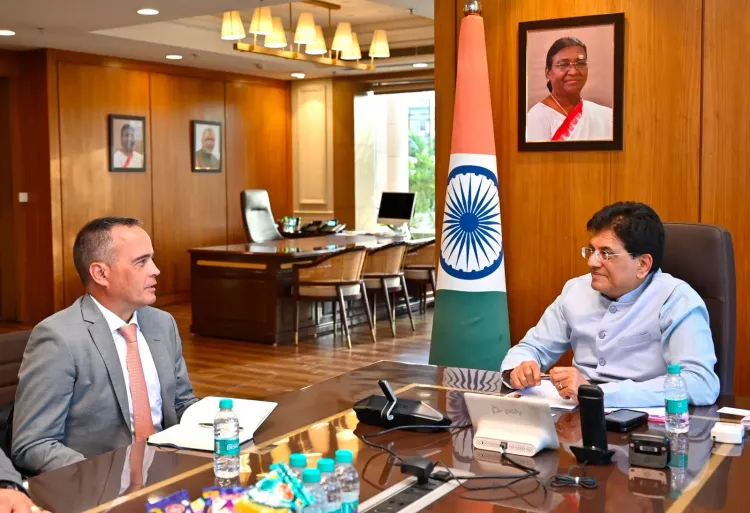
Union Commerce Minister Piyush Goyal met Safran Engines EVP Sébastien Imbourg on 22 June 2026 to discuss expanded aerospace investment, localisation and civil-defence aviation manufacturing under the Make in India initiative, deepening the India-France strategic aerospace partnership.
Key Takeaways
Union Commerce and Industry Minister Piyush Goyal held a meeting with a Safran Engines delegation on 22 June 2026 .
The delegation was led by Sébastien Imbourg , Executive Vice President, Sales and Marketing at Safran.
Discussions covered enhanced investments, greater localisation, and expansion of aerospace capabilities under Make in India .
Safran already has an established manufacturing and MRO presence in India, including engines for the Rafale fighter jet.
No specific investment figures or commitments were announced following the meeting.
Follow-up outcomes are expected ahead of the next India-France strategic dialogue or Aero India 2027 .
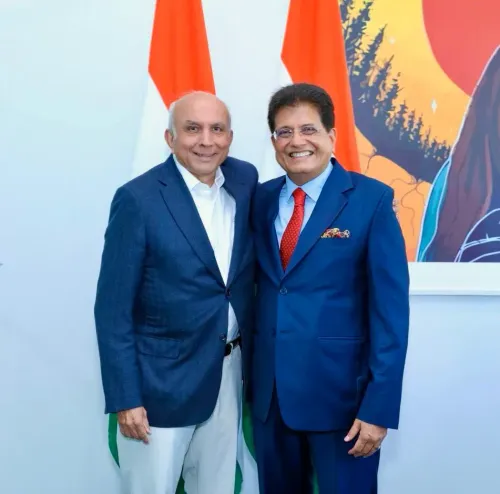
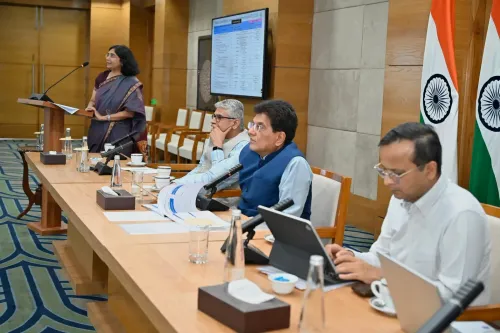
Union Commerce and Industry Minister Piyush Goyal met on Monday, 22 June 2026 with a delegation from Safran Engines led by Sébastien Imbourg, Executive Vice President, Sales and Marketing, to explore deepened collaboration in civil and defence aviation manufacturing under the Make in India initiative.
Context
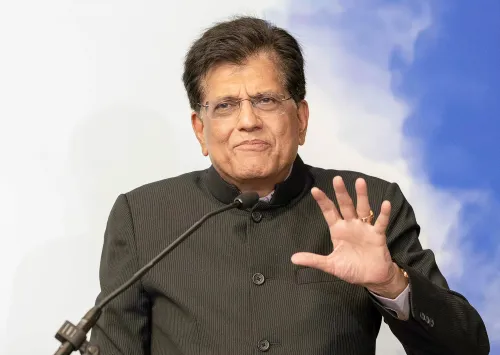
Minister Goyal described the meeting as 'productive', with discussions centred on 'enhanced investments, greater localisation, and the expansion of aerospace capabilities.' The talks signal continued high-level engagement between India's trade ministry and leading European aerospace original equipment manufacturers as New Delhi pushes to reduce import dependence in aviation.
Safran, the French multinational specialising in aircraft engines, equipment and defence systems, already maintains a manufacturing and MRO presence in India. Its engines power platforms including the Rafale fighter jets inducted by the Indian Air Force, giving the company strategic relevance beyond commercial aviation.
Policy Backdrop
The Make in India initiative, launched in September 2014, identified aerospace and defence as priority sectors for attracting foreign direct investment and building domestic manufacturing capacity. Successive defence procurement policies have mandated rising indigenous content thresholds and offset obligations from foreign vendors, creating a framework that incentivises companies such as Safran to localise production.
India and France have reinforced their strategic partnership through multiple high-level engagements, with defence and aerospace cooperation forming a consistent pillar of the bilateral relationship. The Atmanirbhar Bharat framework has further sharpened the government's expectation that foreign OEMs convert technology dialogues into concrete joint ventures and supply-chain investments on Indian soil.
Stakeholders and Impact
For India's aerospace sector, deeper Safran localisation could mean expanded component manufacturing, technology transfer, and skilled employment across facilities tied to both commercial airline fleets and military platforms. Domestic suppliers in the aerospace component ecosystem stand to benefit if Safran increases its offset and local sourcing commitments.
For Safran, India represents a fast-growing civil aviation market — Indian carriers are among the world's largest aircraft orderers — alongside a defence procurement pipeline that includes future fighter and helicopter programmes. Greater localisation offers the company a more competitive position in Indian government tenders that carry indigenous content requirements.
What's Next
The meeting is an early-stage engagement; no specific investment figures or localisation targets have been announced. Observers will watch for follow-up announcements ahead of the next India-France strategic dialogue or the Aero India 2027 air show in Bengaluru, which typically serves as a venue for converting ministerial-level discussions into formal partnership agreements. The trajectory of India's civil aviation expansion and its defence modernisation programme will continue to make such bilateral aerospace engagements a recurring feature of the Commerce Ministry's investment-promotion calendar.
Point of View
Safran has strong commercial incentives to expand its Indian footprint — making this dialogue more than ceremonial. The timing, ahead of a likely India-France strategic dialogue cycle, suggests New Delhi is positioning aerospace manufacturing as a centrepiece of its next round of bilateral deliverables. Whether the meeting produces a concrete joint venture or offset agreement will be the real test of its productivity.
NationPress
23 Jun 2026
Frequently Asked Questions
What did Piyush Goyal discuss with Safran Engines?
Minister Piyush Goyal discussed opportunities to strengthen collaboration in civil and defence aviation manufacturing, focusing on enhanced investments, greater localisation, and expansion of aerospace capabilities under the Make in India initiative.
Who is Sébastien Imbourg of Safran?
Sébastien Imbourg is the Executive Vice President for Sales and Marketing at Safran Engines, the French aerospace and defence company. He led the Safran delegation that met Commerce Minister Goyal on 22 June 2026.
What is Safran's existing presence in India?
Safran has an established manufacturing and MRO presence in India. The company's engines power the Rafale fighter jets operated by the Indian Air Force, and it has component manufacturing facilities tied to commercial aviation as well.
How does Make in India apply to the aerospace sector?
Make in India, launched in September 2014, identified aerospace and defence as priority sectors for foreign direct investment and domestic manufacturing. Defence procurement rules mandate rising indigenous content from foreign vendors, incentivising companies like Safran to localise production in India.
What outcomes are expected from the Goyal-Safran meeting?
No specific investment figures or commitments were announced. Concrete follow-up announcements, such as new joint ventures or increased localisation targets, are expected ahead of the next India-France strategic dialogue or Aero India 2027 in Bengaluru.