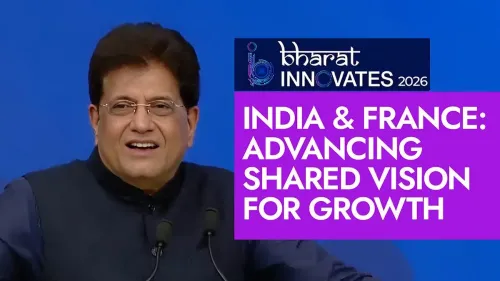
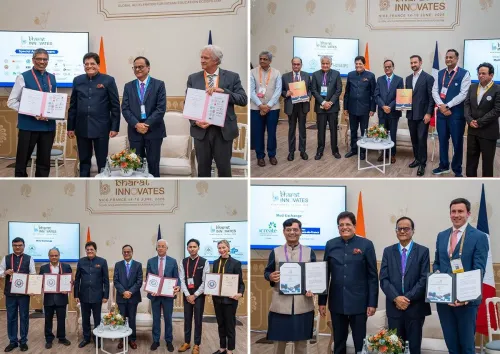
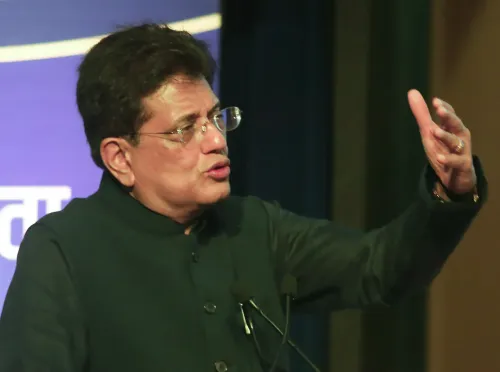
Piyush Goyal pitches Bharat Innovates as global co-creation call
Synopsis
Union Commerce Minister Piyush Goyal on June 14, 2026, described Bharat Innovates as a global call to co-create the next chapter of innovation with India, extending the country's decade-long push to position itself as a peer partner in global technology rather than a downstream market.
Key Takeaways
Union Commerce and Industry Minister Piyush Goyal publicly framed Bharat Innovates as an invitation to the world to co-create global innovation with India on June 14, 2026 .
The initiative's name uses Bharat , signalling a cultural and sovereign assertion alongside the economic pitch.
The message builds on foundational policies including the Startup India initiative and the National IPR Policy , both launched in 2016 .
Primary stakeholders include Indian startups and global technology firms in sectors such as AI, semiconductors and green technology.
The 'co-create' framing implies reciprocity and joint ownership rather than a purely transactional foreign investment pitch.
Concrete follow-up — bilateral tech agreements or funding mechanisms — at upcoming multilateral forums will determine whether the initiative gains operational substance.
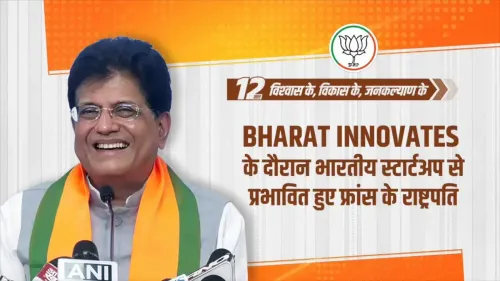
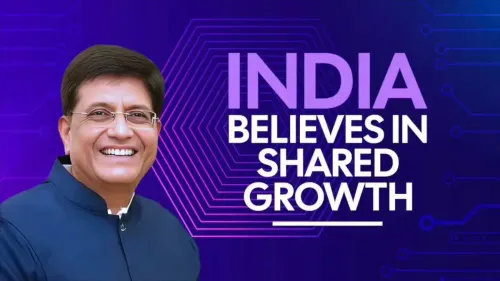
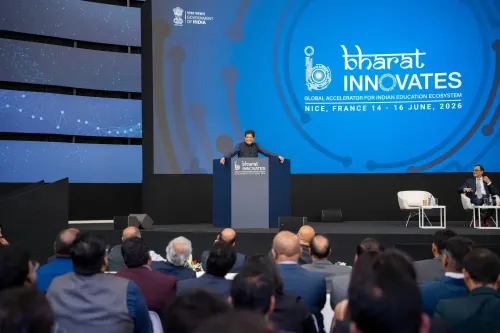
Union Commerce and Industry Minister Piyush Goyal on Sunday, June 14, 2026, positioned a programme called Bharat Innovates as an open invitation to the world to partner with India in shaping the next era of global innovation, sharing the message on his official social media handle.
Context
In his post, Goyal stated: 'Bharat Innovates is an invitation to the world to co-create the next chapter of global innovation with India.' The framing is deliberate — using the Sanskrit name Bharat rather than 'India' signals a cultural as well as economic assertion, positioning the country as an originating force in global technology rather than a downstream adopter.
The statement arrives as India has been actively courting foreign technology firms, research institutions and venture capital to deepen domestic R&D capacity across sectors including artificial intelligence, semiconductors and green technology.
Policy Backdrop
The message builds on a decade-long policy arc. The Startup India initiative, launched in 2016, was the first major structural push to create an enabling environment for new ventures, linking entrepreneurship to ease of doing business. The National IPR Policy, also released in 2016, followed by successive patent-ecosystem reforms, sought to make India a credible destination for intellectual property creation and protection.
Successive governments have linked innovation goals to trade diplomacy and foreign direct investment liberalisation, a pattern that Goyal's ministry has continued to anchor through bilateral technology agreements and multilateral engagement. The co-creation framing in the Bharat Innovates message is consistent with this approach of pairing domestic capability building with international partnerships.
Stakeholders and Impact
The primary audiences for this signal are Indian startups seeking global capital and market access, and global technology firms evaluating India as a research, manufacturing or partnership base. For startups, a ministerially backed platform implies potential policy support, regulatory facilitation and visibility at international forums.
For multinational corporations, the message reinforces government intent to welcome co-investment in innovation, particularly in sectors where India is building strategic depth — from AI and deep tech to clean energy and advanced manufacturing. The use of the word 'co-create' rather than 'invest in' is notable: it implies reciprocity and joint ownership of outcomes rather than a purely transactional relationship.
What's Next
Observers will watch for concrete follow-up — bilateral technology agreements, funding mechanisms or institutional partnerships announced at upcoming multilateral forums — that give the Bharat Innovates framing operational substance. Goyal, as Leader of the House in the Rajya Sabha and a senior BJP leader, carries the political weight to translate such messaging into legislative or budgetary action.
If the initiative gains formal structure, it could become a focal point for India's technology diplomacy, aligning commercial interests with the country's broader ambition to be recognised as a peer innovator on the world stage rather than simply a services hub.
Point of View
Embedding national identity into economic outreach. For the initiative to move beyond messaging, it will need institutional scaffolding: dedicated funding windows, regulatory fast-tracks, or treaty-level technology partnerships. The minister's dual role as trade policy chief and parliamentary floor leader gives him the leverage to push such scaffolding through both executive and legislative channels.
NationPress
13 Sept 2026
Frequently Asked Questions
What is Bharat Innovates?
Bharat Innovates is a programme or platform announced by Union Commerce and Industry Minister Piyush Goyal, described as an invitation to global partners to co-create the next chapter of innovation with India. Formal structural details had not been publicly released at the time of the minister's post.
What did Piyush Goyal say about Bharat Innovates?
Goyal stated: 'Bharat Innovates is an invitation to the world to co-create the next chapter of global innovation with India,' framing it as a partnership offer to international technology firms, investors and institutions.
How does Bharat Innovates connect to India's existing innovation policies?
It builds on a decade-long policy arc that includes the Startup India initiative launched in 2016 and the National IPR Policy of the same year, both designed to make India a credible destination for entrepreneurship, intellectual property creation and global technology collaboration.
Who are the target stakeholders for Bharat Innovates?
The primary audiences are Indian startups seeking global capital and visibility, and multinational technology firms evaluating India as a research, manufacturing or co-development base, particularly in AI, semiconductors and green technology.
What should we watch for next regarding Bharat Innovates?
Analysts will look for concrete follow-up such as bilateral technology agreements, dedicated funding mechanisms or institutional partnerships at upcoming multilateral forums that give the initiative formal operational structure beyond the ministerial announcement.