GRSE bags ONGC order to build 4 Platform Supply Vessels
Synopsis
GRSE, freshly elevated to Navratna status, has landed an ONGC contract to build four hybrid-propulsion Platform Supply Vessels — its most significant push into commercial offshore shipbuilding to date. With lithium-ion battery storage and azimuth thrusters, these aren't just supply vessels; they signal where Indian state shipbuilding is heading.
Key Takeaways
GRSE received the Notification of Award from ONGC on 30 July 2026 for four Platform Supply Vessels (PSVs) .
Each vessel will be 80 metres long with a 3,000-tonne deadweight capacity and 45+3 days endurance.
The PSVs feature a hybrid propulsion system with azimuth thrusters and a Lithium-Ion Battery Energy Storage System .
GRSE has delivered over 800 platforms and 118 warships — a national record for any Indian shipyard.
The shipyard, elevated to Navratna status in 2026, currently has nine warships and 13 hybrid ferries under construction.
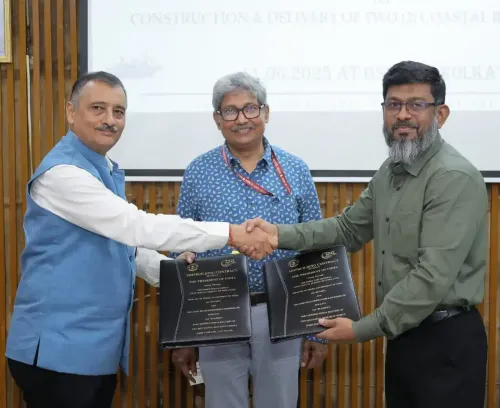
Garden Reach Shipbuilders and Engineers (GRSE) Ltd, a Navratna Defence Public Sector Undertaking under the Ministry of Defence, has secured a contract from Oil and Natural Gas Corporation Limited (ONGC) to construct four Platform Supply Vessels (PSVs). The Notification of Award (NOA) was received on 30 July 2026, marking a significant expansion of GRSE's portfolio into the commercial and offshore vessel segment.
Key Details of the Order
The four PSVs will be designed and constructed in accordance with the rules of the Indian Register of Shipping (IRS). Each vessel will measure approximately 80 metres in overall length with a beam of 20 metres, a deadweight capacity of 3,000 tonnes, an endurance of 45+3 days, and a clear deck area of around 650 square metres. The vessels are intended to support a wide range of offshore logistics and supply missions for ONGC's exploration and production activities.
Advanced Hybrid Propulsion Technology
A standout feature of the PSVs is their hybrid propulsion architecture, incorporating electrically driven azimuth thrusters and a Lithium-Ion Battery Energy Storage System. According to GRSE, the battery system will handle peak load management, spinning reserve, dynamic positioning operations, and emergency response functions. The shipyard said this design enhances operational efficiency while reducing environmental impact — a clear nod to the global maritime industry's push toward greener vessels.
GRSE's Track Record and Expanding Portfolio
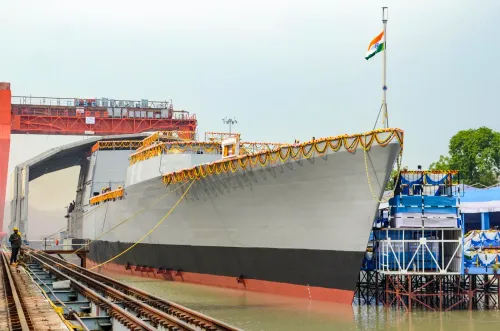
Founded as a Defence PSU in 1960, GRSE delivered India's first indigenous warship, INS Ajay, to the Navy a year later. Since then, the shipyard has built and delivered over 800 platforms, including 118 warships to the Indian Navy, Coast Guard, and friendly foreign nations — a record for any Indian shipyard.
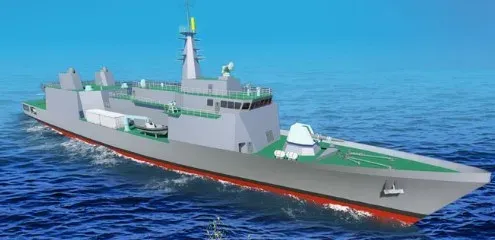
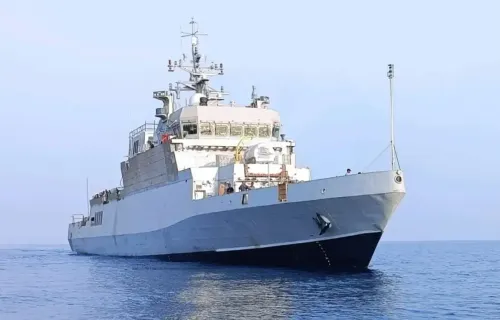
In 2025-26, GRSE delivered eight warships across three classes, with three handed over simultaneously on 30 March 2026. The yard currently has nine warships under construction, including a Project 17A stealth frigate and four Next Generation Offshore Patrol Vessels. It is also building 12 multi-purpose cargo vessels for a German client and four research vessels for NPOL, NCPOR, and the Geological Survey of India.
Green Technology Push
The ONGC order also reflects GRSE's growing emphasis on sustainable maritime solutions. The shipyard previously delivered a zero-emission electric ferry to the Government of West Bengal, and currently has 13 hybrid diesel-electric ferries under construction. Elevated to Navratna status in 2026, GRSE said the PSV contract 'further expands its footprint in the commercial and offshore vessel market and underscores its capability to deliver technologically advanced and environmentally sustainable maritime solutions.'
Strategic Significance
The ONGC contract represents a deliberate diversification beyond defence shipbuilding for GRSE, tapping into India's offshore energy infrastructure requirements. This comes amid a broader push by Indian shipyards to capture commercial and energy-sector orders, reducing dependence on defence contracts alone. The project is expected to strengthen indigenous shipbuilding capabilities while directly supporting ONGC's upstream operations.
Point of View
The Navratna yard is now actively courting the commercial and offshore energy market, a space long dominated by private and foreign players. The hybrid propulsion specification is notable: it places these vessels ahead of much of India's existing offshore fleet on environmental standards. The real question is whether GRSE can deliver on commercial timelines, which are less forgiving than defence schedules. If it can, this order could open a durable second revenue stream at a time when India's offshore energy ambitions are expanding rapidly.
NationPress
18 Sept 2026
Frequently Asked Questions
What is the GRSE ONGC Platform Supply Vessel order?
GRSE received a Notification of Award from ONGC on 30 July 2026 to construct four Platform Supply Vessels (PSVs) for offshore exploration and production support. The vessels will be built to Indian Register of Shipping standards and feature advanced hybrid propulsion technology.
What are the key specifications of the ONGC PSVs?
Each vessel will be approximately 80 metres long with a 20-metre beam, 3,000-tonne deadweight capacity, 45+3 days endurance, and 650 square metres of clear deck area. They will incorporate electrically driven azimuth thrusters and a Lithium-Ion Battery Energy Storage System.
Why is this order significant for GRSE?
The contract marks a significant diversification of GRSE's portfolio beyond defence shipbuilding into the commercial and offshore vessel segment. It comes shortly after the shipyard was elevated to Navratna status in 2026, reinforcing its growing presence in energy-sector maritime projects.
What is GRSE's shipbuilding track record?
GRSE has delivered over 800 platforms since its founding as a Defence PSU in 1960, including 118 warships to the Indian Navy, Coast Guard, and friendly foreign nations — a record for any shipyard in India. In 2025-26 alone, it delivered eight warships across three classes.
What other projects is GRSE currently working on?
GRSE is currently building nine warships including a Project 17A stealth frigate and four Next Generation Offshore Patrol Vessels, 12 multi-purpose cargo vessels for a German company, four research vessels for NPOL, NCPOR, and the Geological Survey of India, and 13 hybrid diesel-electric ferries.