GSRTC logs 1.03 crore QR ticket payments, ₹112.45 crore revenue in 13 months
Synopsis
GSRTC's QR ticketing volumes nearly quadrupled in thirteen months — from 4.6 lakh to 17.34 lakh transactions per month — generating ₹112.45 crore in revenue. With 10,500 new e-BTM machines across 125 depots and online booking now covering 2,500 local routes, Gujarat's state bus network is running one of India's most scaled cashless transport experiments.
Key Takeaways
GSRTC logged over 1.03 crore QR code ticket transactions between April 2025 and May 2026 , generating ₹112.45 crore in revenue.
Monthly QR transactions grew nearly fourfold — from 4.6 lakh in April 2025 to 17.34 lakh in May 2026.
The corporation deployed 10,500 new e-BTM machines across 125 depots in 16 divisions .
Online booking has been extended to around 2,500 local bus trips covering distances above 100 km .
Premium AC services recorded 78.85% occupancy in May 2026; non-premium sleeper buses averaged 77.53% over six months.
Average monthly digital revenue now stands at ₹19.37 crore , according to GSRTC.
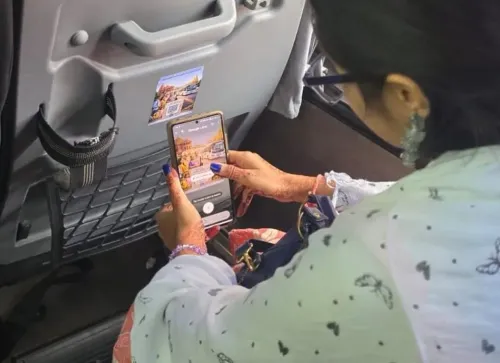
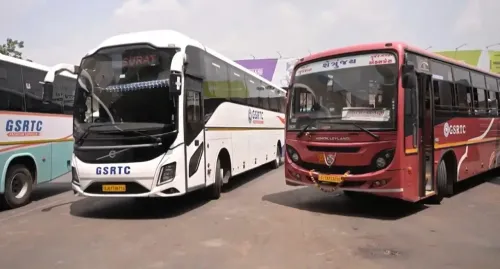
Gujarat State Road Transport Corporation (GSRTC) recorded more than 1.03 crore QR code-based ticket transactions across its bus network between April 2025 and May 2026, generating revenue exceeding ₹112.45 crore and signalling a decisive shift toward cashless travel in the state's public transport system.
Key Developments
Monthly QR payment volumes surged from 4.6 lakh transactions in April 2025 to over 17.34 lakh in May 2026 — a near fourfold rise in thirteen months. The corporation is now generating an average monthly revenue of ₹19.37 crore through digital fare payments alone.
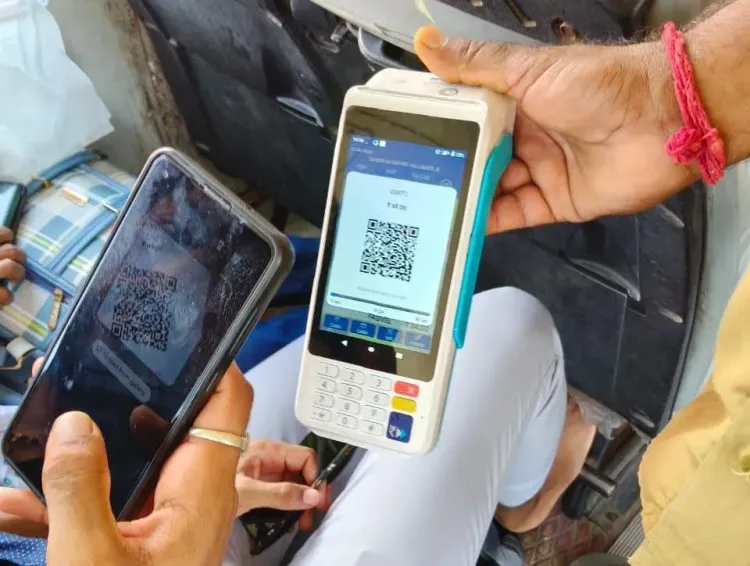
GSRTC has deployed 10,500 new electronic ticketing machines (e-BTMs) equipped with QR code readers across 125 depots under its 16 divisions, according to GSRTC Public Relations Officer Shraddha Bhatt.
From Premium to All Services
The QR payment facility was initially rolled out on premium bus routes before being extended to all GSRTC services and depots, following what the corporation described as a 'favourable response' from passengers. The move eliminates a long-standing friction point: passengers no longer need exact change, and conductors spend less time on cash reconciliation.
'The QR code payment facility, which was initially introduced in premium bus services, has now been extended to all GSRTC services and depots following a favourable response from passengers,' Bhatt said. She added that 'reduced cash handling has improved transparency in operations and saved time and effort for conductors.'
Online Booking Expands to Local Routes
Beyond digital payments, GSRTC has widened its online reservation network to cover approximately 2,500 local bus trips serving distances of more than 100 kilometres. Previously, advance booking was largely confined to premium and select long-distance services. The expansion is expected to particularly benefit passengers in rural and remote areas who can now reserve seats without travelling to a bus station.
Occupancy and Trip Data
During the first six months of 2026, GSRTC operated 39,372 premium and non-premium trips. Demand held firm through the summer travel season: premium air-conditioned services recorded an occupancy rate of 78.85% in May 2026, while Volvo services posted booking rates of 50% in April and 57.81% in May. Non-premium sleeper buses averaged a booking rate of 77.53% across the six-month period.
What This Means for Gujarat's Public Transport
GSRTC's digital push reflects a broader national trend of integrating UPI and QR-based payments into state transport utilities, a shift accelerated by post-pandemic behavioural changes and government mandates on cashless transactions. This is among the more comprehensive state-bus digitisation efforts in India, both in scale of deployment and revenue impact. The corporation has indicated that expanding digital access forms part of a wider modernisation agenda aimed at improving both passenger convenience and operational accountability across Gujarat.
Point of View
500 local routes is the more consequential move, since rural passengers have the most to gain from advance booking and the least access to alternatives. If occupancy rates on these newly bookable routes are published alongside the digital payment data, GSRTC would have a genuinely credible accountability framework — not just a headline metric.
NationPress
21 Sept 2026
Frequently Asked Questions
How many QR code ticket transactions did GSRTC record between April 2025 and May 2026?
GSRTC recorded more than 1.03 crore QR code-based ticket transactions during this period, generating revenue exceeding ₹112.45 crore. Monthly volumes rose from 4.6 lakh in April 2025 to over 17.34 lakh in May 2026.
What is GSRTC's average monthly revenue from QR payments?
The corporation is currently generating an average monthly revenue of ₹19.37 crore through QR code-based digital fare payments, according to GSRTC.
Which routes now offer online booking on GSRTC?
GSRTC has expanded online booking to approximately 2,500 local bus trips covering distances of more than 100 kilometres. Previously, advance booking was largely limited to premium and select long-distance services.
What new equipment has GSRTC deployed for digital payments?
GSRTC has allocated 10,500 new electronic ticketing machines (e-BTMs) with QR code capability across 125 depots operating under its 16 divisions, enabling cashless fare collection across all service categories.
What were GSRTC's occupancy rates during the 2026 summer season?
Premium air-conditioned services recorded 78.85% occupancy in May 2026. Volvo services posted booking rates of 50% in April and 57.81% in May, while non-premium sleeper buses averaged 77.53% over the first six months of 2026.