GSRTC digital payments hit 30% of daily revenue, target 60-70% soon
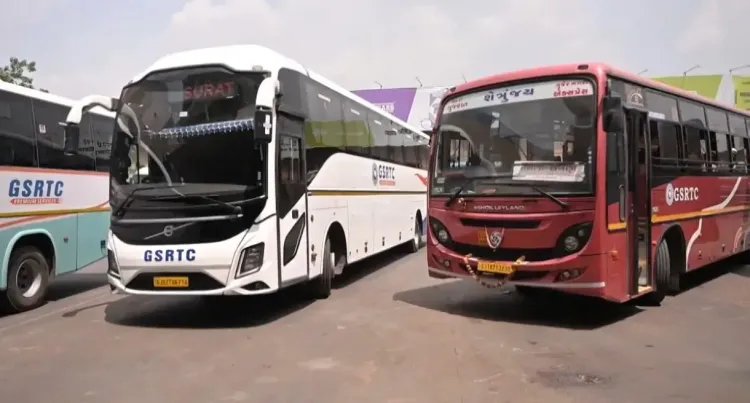
Synopsis
GSRTC's daily digital collections have doubled in a year — from ₹1 crore to over ₹2 crore — and now account for 30% of its ₹12 crore daily revenue. With 85% of those transactions on UPI and a target of 60–70% cashless share ahead, Gujarat's state bus network is quietly becoming one of India's more credible public-transport digital-payment stories.
Key Takeaways
GSRTC now collects 30% of its daily revenue — over ₹2 crore — through digital payments.
Daily digital collections have doubled from ₹1 crore a year ago to more than ₹2 crore currently.
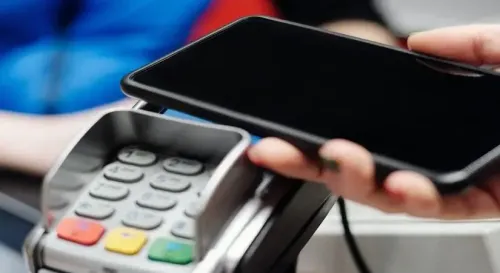
The cashless network covers more than 8,000 buses , with UPI , debit cards, and credit cards accepted.
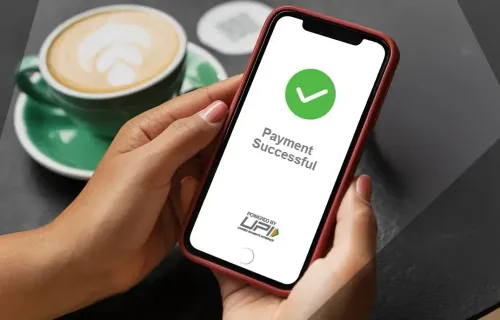
85% of all GSRTC digital transactions are conducted via UPI .
The corporation targets 60–70% digital payment share, with expansion planned for commercial services and passenger pass systems.
Gujarat State Road Transport Corporation (GSRTC) now collects nearly 30 per cent of its daily revenue through digital payments, with officials confirming that cashless transactions have doubled over the past year and are set to expand further across the network. The milestone reflects a steady shift in passenger behaviour across Gujarat's state-run bus system.
Scale of the Digital Shift
On average, approximately 27 lakh passengers travel daily on GSRTC buses, generating an estimated daily revenue of ₹12 crore. Of this, nearly ₹3.6 crore — roughly 30 per cent — now comes through cashless modes. Daily digital collections have risen from around ₹1 crore a year ago to more than ₹2 crore at present, according to officials.
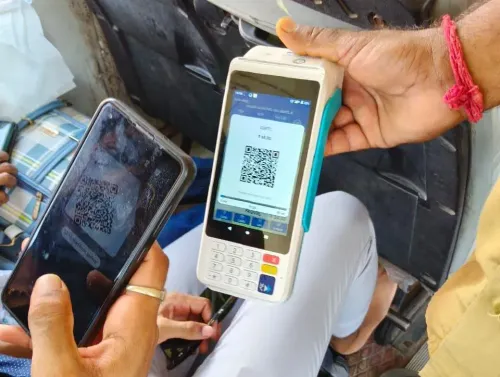
The cashless infrastructure spans more than 8,000 buses across the state, with payment options including UPI, debit cards, and credit cards — accessible via online booking, mobile applications, and on-the-spot QR codes generated by conductors.
What the Government Said
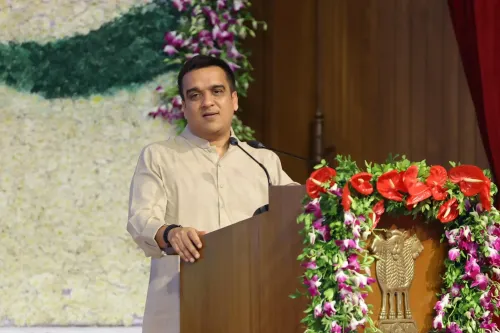
Deputy Chief Minister Harsh Sanghavi credited the growth to a deliberate push toward a cashless economy.
Point of View
Not just a governance talking point. The real test lies in the 60–70% target: achieving it will require extending cashless infrastructure to rural and semi-urban routes where smartphone penetration and data connectivity remain uneven. The 85% UPI dominance also flags a single-channel dependency — a network outage or UPI disruption could paralyze ticket collection. Diversifying the digital stack while pushing into remote corridors will determine whether this is a genuine transformation or an urban-ridership statistic.
NationPress
24 Sept 2026
Frequently Asked Questions
What percentage of GSRTC revenue comes from digital payments?
Nearly 30 per cent of GSRTC's daily revenue — over ₹2 crore out of an estimated ₹12 crore — now comes from digital payments. This share has grown steadily after the corporation rolled out UPI, debit card, and credit card options across more than 8,000 buses.
How can passengers pay digitally on GSRTC buses?
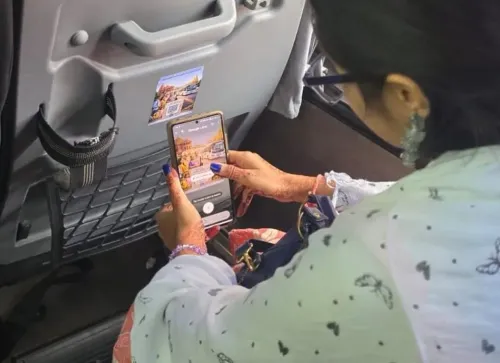
Passengers can pay via UPI, debit cards, or credit cards through online booking, the GSRTC mobile application, or by scanning a QR code generated by the bus conductor on the spot. Student passes have also been brought under the digital payment system.
What is GSRTC's target for digital payments?
GSRTC aims to raise the share of digital payments to 60–70 per cent in the coming months. The expansion will cover commercial services and passenger pass systems, according to a corporation official.
Which digital payment method is most popular on GSRTC?
UPI accounts for nearly 85 per cent of all digital transactions on GSRTC, making it by far the most widely used cashless payment method across the network.
How many passengers use GSRTC buses daily?
Approximately 27 lakh passengers travel on GSRTC buses every day, generating an estimated daily revenue of ₹12 crore, of which around ₹2 crore is now collected digitally.