GSRTC to upgrade toilet blocks at 56 Gujarat bus stations in 12 months
Synopsis
Gujarat's state bus corporation is executing its most structured sanitation overhaul yet — upgrading toilet blocks at 56 stations in under a year, adding hundreds of new WCs and urinals, and launching a QR-based passenger complaint system. Work is already done at 6 stations and ongoing at 17 more.
Key Takeaways
GSRTC has launched a toilet block upgrade drive covering 56 bus stations across Gujarat , to be completed in 8 to 12 months .
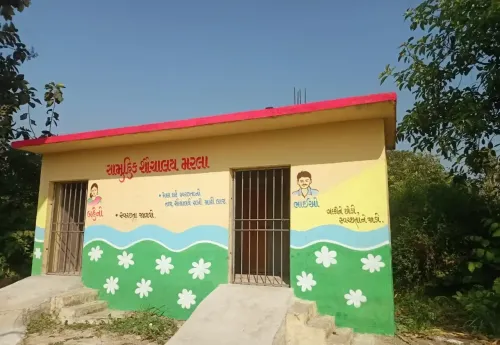
Repairs are complete at 6 stations — Savarkundla, Vansda, Dhandhuka, Umrala, Palitana, and Dhasa — and underway at 17 more .
The plan includes adding around 25 urinals , 20 general WCs , and 25 women's WCs across identified stations.
Work follows the corporation's 'Bus Station Basic Facility Upgradation Plan' , drawn up after a network-wide survey.
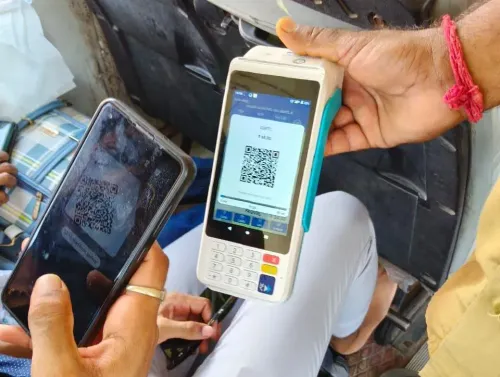
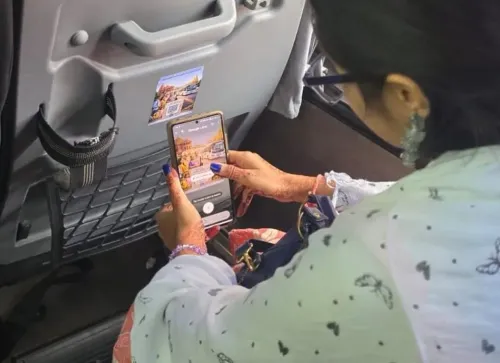
A QR code-based 'Musafir Seva Setu' app is being deployed at all ST bus stations for real-time passenger complaints.
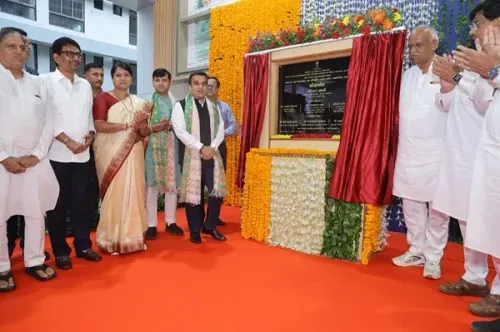
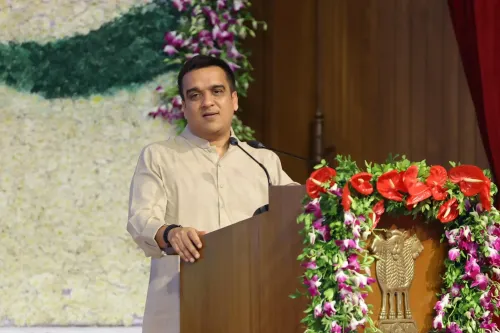
The Gujarat State Road Transport Corporation (GSRTC) has launched a dedicated sanitation upgrade drive covering toilet blocks at 56 bus stations across the state, with all work scheduled for completion within eight to 12 months. The initiative, undertaken under the direction of Deputy Chief Minister Harsh Sanghavi, aims to improve cleanliness and basic passenger amenities at state-run bus terminals.
Current Progress
Of the 56 bus stations identified for the drive, repairs have already been completed at six locations — Savarkundla, Vansda, Dhandhuka, Umrala, Palitana, and Dhasa. Active work is underway at another 17 stations, while upgradation at the remaining 33 stations is planned to be executed over the stipulated eight-to-12-month window. 'Providing better facilities to passengers is our priority,' Sanghavi said.
What the Upgradation Covers
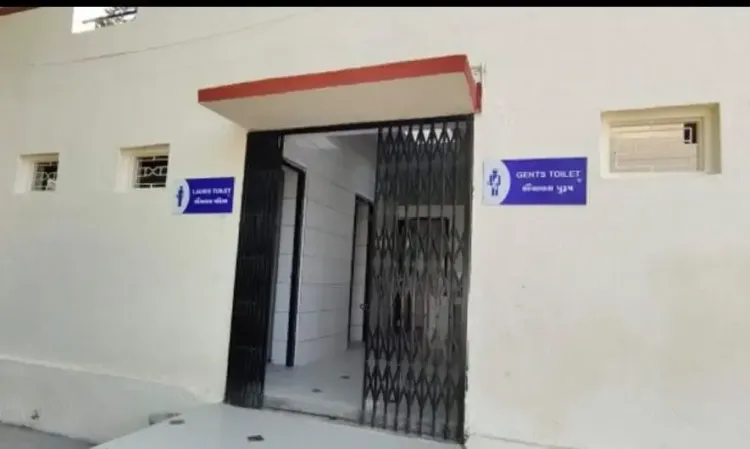
The scope of work includes plumbing repairs, replacement of urinals and WC pans, new doors and windows, fresh flooring, electrical work, improved drainage systems, and painting. Depending on the specific requirements of each station, the corporation plans to add approximately 25 urinals, 20 general WCs, and around 25 women's WCs. The drive specifically addresses the needs of daily commuters, long-distance passengers, women, and senior citizens.
The Survey and Planning Behind It
The initiative follows an earlier survey by the GSRTC of basic facilities across its network. That assessment led to the formulation of a 'Bus Station Basic Facility Upgradation Plan', which identified stations with the most pressing sanitation deficiencies. The current toilet-block drive is a focused outcome of that broader planning exercise.
Digital Grievance System Being Rolled Out
Alongside the physical upgrades, a QR code-based application called 'Musafir Seva Setu' is being made operational at all ST bus stations across Gujarat. The platform will allow passengers to register complaints related to infrastructure and cleanliness in real time, providing a structured feedback loop to the corporation. Notably, this adds a tech-enabled accountability layer — a step beyond earlier improvement drives that relied solely on internal inspections.
Broader Context
Gujarat operates one of India's largest state road transport networks, with millions of passengers using ST buses daily. Sanitation quality at bus stations has historically been a persistent concern, particularly for women travellers and senior citizens on long-distance routes. This drive represents the corporation's most structured effort to date to address those gaps systematically across multiple stations simultaneously.
Point of View
And Gujarat's structured 56-station drive — backed by a documented upgradation plan — is more systematic than the ad hoc repair cycles seen in most states. The addition of the 'Musafir Seva Setu' QR complaint system is a meaningful accountability step, but its effectiveness will depend entirely on whether the corporation acts on the feedback it receives. The real test comes after the 12-month deadline: whether upgraded facilities are maintained or revert to their earlier state, as has happened repeatedly with similar public-amenity drives elsewhere. Political credit is easy to claim at inauguration; the harder work is sustaining standards once the cameras move on.
NationPress
3 Oct 2026
Frequently Asked Questions
Which Gujarat bus stations have already completed toilet upgrades under the GSRTC drive?
Repairs have been completed at six bus stations: Savarkundla, Vansda, Dhandhuka, Umrala, Palitana, and Dhasa. Work is currently underway at 17 more stations, with the remaining 33 slated for completion within eight to 12 months.
What does the GSRTC toilet block upgrade include?
The upgradation covers plumbing repairs, replacement of urinals and WC pans, new doors and windows, fresh flooring, electrical work, improved drainage, and painting. The corporation plans to add around 25 urinals, 20 general WCs, and 25 women's WCs across the identified stations.
What is the 'Musafir Seva Setu' app launched by GSRTC?
'Musafir Seva Setu' is a QR code-based mobile application being deployed at all ST bus stations in Gujarat. It allows passengers to register real-time complaints about infrastructure and cleanliness at bus stations.
Why is the GSRTC undertaking this sanitation drive?
The drive follows a network-wide survey by the corporation that identified sanitation deficiencies at multiple bus stations. It is specifically aimed at improving facilities for daily commuters, long-distance passengers, women, and senior citizens across Gujarat's ST network.
When will all 56 Gujarat bus station toilet upgrades be completed?
All identified works are scheduled to be completed within eight to 12 months from the launch of the drive. Six stations have already been completed, and 17 are currently in progress.