How is Gujarat Observing World Toilet Day with an Awareness Campaign?
Synopsis
On World Toilet Day, Gujarat launched the 'Hamara Shauchalay, Hamara Bhavishya' campaign, revitalizing toilets and promoting sanitation awareness. Discover the efforts made by local communities to enhance hygiene and maintain cleanliness in rural areas.
Key Takeaways
Community Engagement: Local volunteers and panchayats play a crucial role in improving sanitation.
Awareness Initiatives: Vibrant wall art and education about hygiene are central to the campaign.
Maintenance is Key: Regular upkeep of toilets is as important as their construction.
Government Support: Funding and resources from the government bolster community efforts.
Long-Term Goals: The campaign aims for universal sanitation and improved public health.
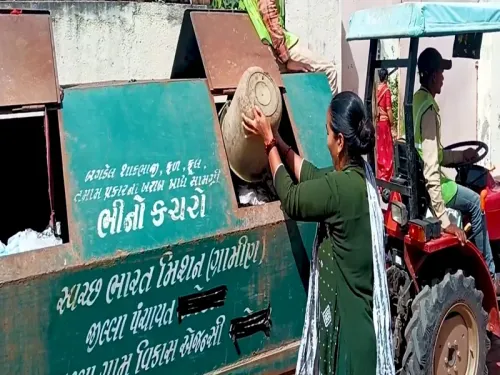
Ahmedabad, Dec 1 (NationPress) The campaign 'Hamara Shauchalay, Hamara Bhavishya' is revitalizing community and household toilets across Gujarat under the Swachh Bharat Mission–Gramin, coupled with a robust initiative to enhance sanitation awareness.
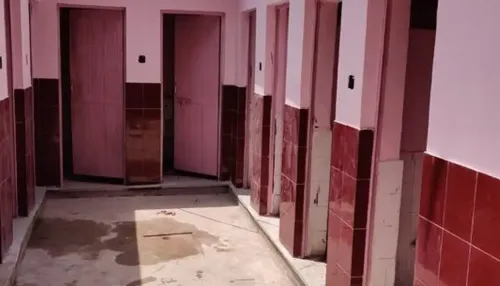
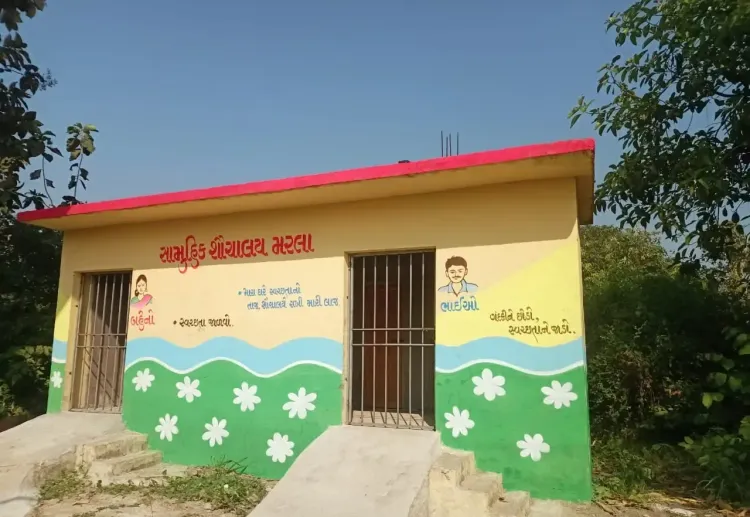
In celebration of World Toilet Day, villages undertook repairs, thorough cleaning, and repainting of both communal and individual toilets, utilizing vibrant wall art to convey messages about hygiene and responsible toilet usage.
This initiative has witnessed enthusiastic involvement from gram panchayats, sanitation committees, and local volunteers. Repairs were made to broken tiles, damaged doors, taps, and drainage systems, while waste disposal and cleanliness in surrounding areas were reinforced.
In districts like Morbi (Junada Sadulka, Badanpar, Virvav), Valsad (Barai, Fansa, Virval, Palan), Ahmedabad, and Surendranagar, toilets were not only refurbished but also repainted to create safer and cleaner environments for residents. Under the theme 'Hamara Shauchalay, Hamara Bhavishya', villagers were educated on regular toilet usage, maintenance, handwashing practices, and their overall obligations toward community hygiene. Many villages organized cleanliness pledges, competitions, and awareness activities.
Officials emphasized that World Toilet Day serves as a reminder of our shared responsibility. They noted that while ensuring access to toilets is crucial, maintaining them is equally vital. This campaign, they stated, is empowering rural communities to reaffirm their commitment to sanitation and foster a culture of cleanliness. Over the past decade, India has made significant progress in toilet construction, primarily driven by the government's flagship Swachh Bharat Mission, which aimed to eradicate open defecation by facilitating the construction of millions of household toilets, community facilities, and ensuring sanitation access in both rural and urban settings.
In addition to construction, the government has prioritized behavior change campaigns, routine maintenance, waste management, and enhancing village sanitation infrastructure.
Through awareness drives, funding to panchayats, and initiatives like 'Hamara Shauchalay, Hamara Bhavishya', the government persistently reinforces hygiene practices, advocates for sustainable toilet usage, and moves towards the long-term objectives of universal sanitation and improved public health across India.
Point of View
It's clear that the 'Hamara Shauchalay, Hamara Bhavishya' campaign reflects a significant commitment to sanitation in Gujarat. This initiative not only addresses the physical state of toilets but also emphasizes the cultural shift needed for sustained cleanliness. It's a reminder that community engagement is vital in achieving long-term public health goals across the nation.
NationPress
27 Sept 2026
Frequently Asked Questions
What is the ' Hamara Shauchalay, Hamara Bhavishya ' campaign?
The ' Hamara Shauchalay, Hamara Bhavishya ' campaign is an initiative in Gujarat under the Swachh Bharat Mission–Gramin aimed at improving community and household toilets while promoting sanitation awareness.
Why is World Toilet Day important?
World Toilet Day raises awareness about sanitation issues, highlighting the importance of access to clean toilets and the maintenance of hygiene to improve public health.
How are communities participating in this campaign?
Communities are actively involved in repairing and cleaning toilets, participating in awareness activities, and committing to cleanliness pledges.
What challenges does the campaign address?
The campaign tackles issues such as broken toilets, improper waste management, and the need for better sanitation education and habits in rural areas.
What impact has the Swachh Bharat Mission had?
The Swachh Bharat Mission has significantly improved access to toilets in India, helping to eliminate open defecation and promote better sanitation practices.