Gujarat Government Allocates Rs 1,185 Crore for South Gujarat Road Improvements
Synopsis
The Gujarat government is set to invest Rs 1,185 crore in road development across South Gujarat's five districts. This initiative aims to enhance logistics connectivity and spur growth in the Surat Economic Region, positioning it as a major international trade hub.
Key Takeaways
Investment of Rs 1,185 crore approved for road upgrades.
Covers five districts: Surat, Tapi, Valsad, Navsari, and Dang.
Aims to enhance logistics connectivity in the Surat Economic Region .
Part of a broader economic master plan initiated by NITI Aayog .
Targeting a per capita GDP increase to over 45,000 USD by 2047 .
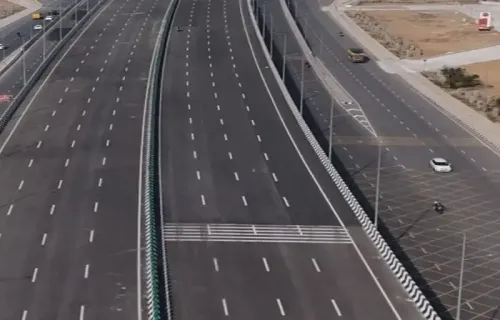
Gandhinagar, March 13 (NationPress) The Gujarat state government has sanctioned a substantial investment of Rs 1,185 crore for extensive road enhancement initiatives across five districts in South Gujarat. This initiative is part of a comprehensive strategy aimed at bolstering logistics connectivity and facilitating the long-term growth of the Surat Economic Region (SER).
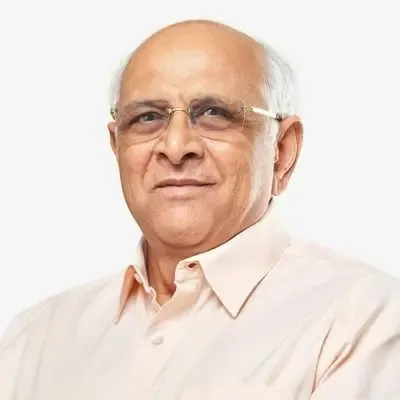
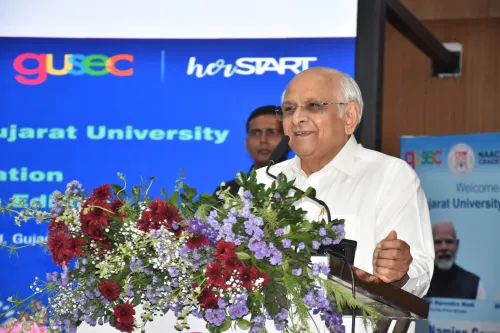
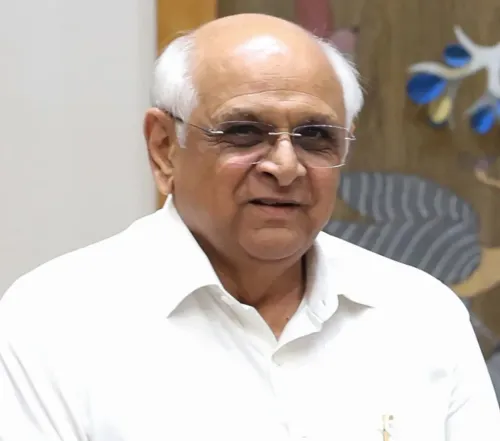
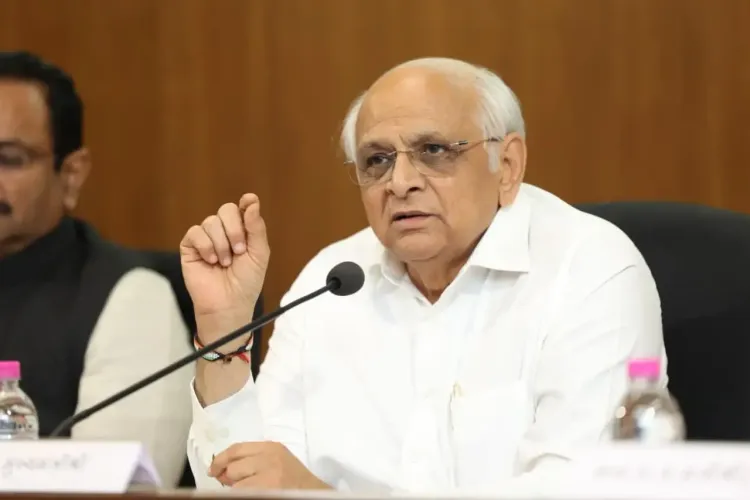
Chief Minister Bhupendra Patel has given the green light to 24 road widening and improvement projects, which will span approximately 383 kilometres across the districts of Surat, Tapi, Valsad, Navsari, and Dang.
Officials have indicated that these projects are designed to bolster connectivity between industrial hubs, ports, and logistics centers within the region, thereby aiding its integration into global supply chains.
This initiative is part of a broader developmental framework focused on the SER, which the government aspires to develop in alignment with prominent international trading centers like Dubai and Guangzhou.
The overarching goal is to enhance Surat's position in international trade while minimizing the distance between manufacturing sites and global marketplaces.
According to officials, these projects will be distributed among the five districts, with Surat receiving the largest allocation. Surat has been allotted Rs 631 crore, underscoring its pivotal role in the region's industrial and economic landscape.
Valsad will receive Rs 264 crore, while the remaining budget will be directed towards projects in Navsari, Tapi, and Dang.
These road initiatives are closely linked to the economic master plan formulated by NITI Aayog for the SER.
This plan, which was initiated in Surat approximately 17 months ago, outlines a comprehensive strategy for developing Surat and its neighboring districts into a significant economic hub by 2047.
In a message regarding the plan issued in 2024, CM Patel stated: “This economic master plan for the Surat Economic Region is not merely a blueprint; it embodies our commitment to visionary, dynamic, and inclusive development as a partner in nation-building.”
Officials noted that the industrial profile of South Gujarat was a critical factor in its selection as one of the four pilot city regions nationwide for the formulation of an economic master plan.
Surat is renowned globally for its textile manufacturing and diamond polishing sectors, while the adjacent districts feature a diverse range of industries, including chemicals, pharmaceuticals, petrochemicals, agro-processing, and small-scale manufacturing.
Bharuch district boasts a robust foundation in chemical, pharmaceutical, and petrochemical industries.
Navsari is recognized for its agriculture, food processing, and small-scale production, whereas Tapi is involved in agro-processing, paper manufacturing, and dairy operations.
Valsad integrates chemical industries with trade and tourism, while the largely forested and tribal Dang district primarily relies on agriculture, forest products, and essential services.
Officials have indicated that the government’s strategy is centered on enhancing infrastructure to foster economic diversification and ensure balanced regional growth.
As coastal areas and well-connected inland regions increasingly emerge as pivotal trading hubs globally, the state government is prioritizing logistics and transport connectivity.
The region is already equipped with several transportation links, including expressways, railway networks, seaports, an international airport, and the Western Dedicated Freight Corridor, collectively forming a significant logistics network connecting manufacturing centers to ports and markets.
The state government has also pinpointed sectors such as sustainable agriculture, real estate, tourism, information technology, and logistics as potential avenues for future growth in the region.
Officials estimate that South Gujarat currently has a per capita GDP of approximately 4,600 US dollars.
Under the long-term developmental framework, the government aims to elevate this figure to over 45,000 USD by 2047 through ongoing investments in infrastructure and industrial expansion.
Point of View
The government is positioning South Gujarat as a competitive player in the global market while addressing the diverse industrial needs of the region.
NationPress
29 Sept 2026
Frequently Asked Questions
What is the total investment for road development in South Gujarat?
The Gujarat government has approved an investment of Rs 1,185 crore for road development across five districts in South Gujarat.
Which districts are included in the road development projects?
The road development projects cover the districts of Surat, Tapi, Valsad, Navsari, and Dang.
What is the main goal of these road projects?
The main goal is to improve logistics connectivity and support the long-term development of the Surat Economic Region.
How does this investment align with the economic master plan?
The projects are part of the economic master plan prepared by NITI Aayog, aimed at transforming the Surat Economic Region into a major economic hub by 2047.
What industries are prominent in South Gujarat?
South Gujarat is known for its textile and diamond polishing industries, as well as chemicals, pharmaceuticals, agro-processing, and small-scale manufacturing.