Gujarat CM Patel Boosts District Officers' Land Allotment Powers
Synopsis
Gujarat CM Bhupendra Patel has raised District Collectors' land allotment authority from Rs 5 lakh to Rs 1 crore and DDOs' gamtal plot powers from Rs 1 lakh to Rs 7.5 lakh, enabling faster local approvals for development, housing, and public-purpose projects without citizens travelling to Gandhinagar.
Key Takeaways
District Collectors can now allot government land worth up to Rs 1 crore , up from Rs 5 lakh.
District Development Officers can allot gamtal plots up to Rs 7.5 lakh , up from Rs 1 lakh.
The expanded powers cover development projects, housing construction, and social or public-purpose land use.
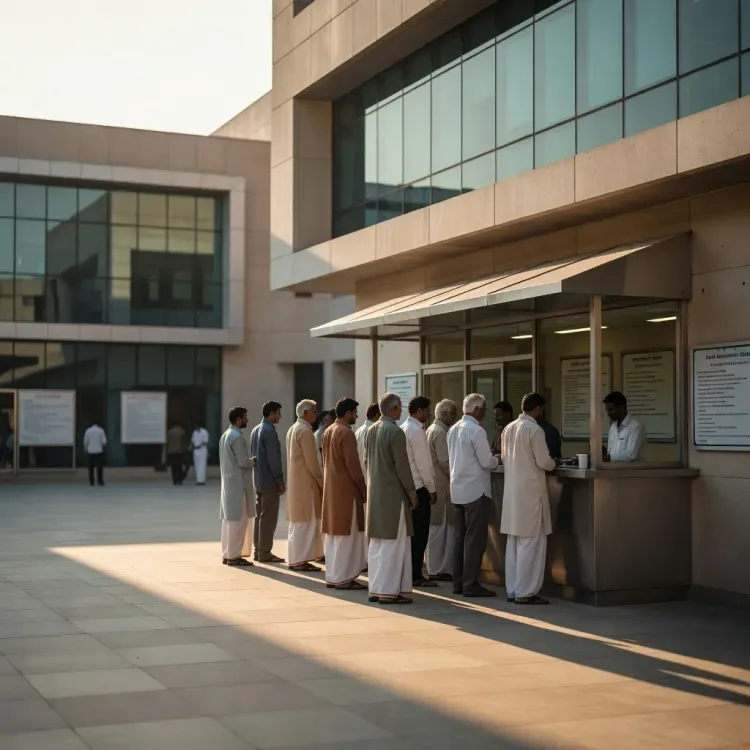
Citizens will no longer need to travel to Gandhinagar for routine land allotment follow-ups.
The decision is aimed at accelerating project timelines and boosting local employment generation.
The move continues Gujarat's pattern of periodically decentralising administrative financial powers to district officers.
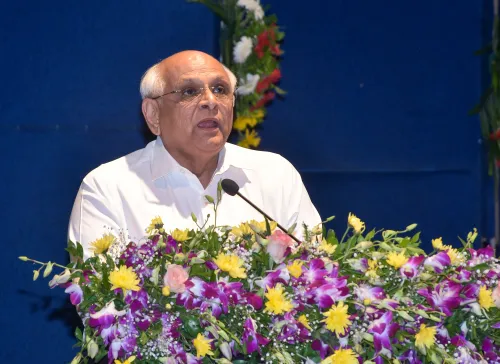
Residents of Gujarat's districts will no longer need to travel to Gandhinagar for routine government land allocations — Gujarat Chief Minister Bhupendra Patel has sharply expanded the financial authority of district-level officers, pushing decision-making closer to the people it affects.
The state government's decision raises the financial ceiling for District Collectors from Rs 5 lakh to Rs 1 crore for land allotments across various purposes — development projects, housing construction, and social or public-interest uses. Simultaneously, the authority of District Development Officers (DDOs) for allotting village-settlement (gamtal) plots has been raised from Rs 1 lakh to Rs 7.5 lakh.
What the revised limits mean on the ground
Until now, land allocations above these thresholds required approvals from Gandhinagar — a process that added time, paperwork, and travel costs for local officials and citizens alike. With Collectors now empowered up to Rs 1 crore, the vast majority of routine government and industrial land allotments can be cleared at the district headquarters itself. The CM's post noted that this will accelerate project execution and generate employment at the local level.
For DDOs, the 7.5-fold jump in authority — from Rs 1 lakh to Rs 7.5 lakh — is particularly significant for rural Gujarat, where gamtal plot allotments underpin housing and small-scale community infrastructure. Faster clearances at this level directly benefit panchayat-level projects and low-income housing.
Gujarat's pattern of pushing power to the districts
This move fits a consistent pattern in Gujarat's administrative governance: periodically recalibrating the financial powers of district officers to match rising project costs and reduce the bottleneck of centralised approvals. As land values and project scales have grown, limits set years ago had effectively funnelled more and more routine decisions up to the state capital — defeating the original intent of district-level administration.
By restoring meaningful discretion to Collectors and DDOs, the government signals that local accountability, not capital-level gatekeeping, should drive project timelines. Citizens seeking follow-up on land allotments can now do so at the district office — a practical gain for applicants in remote talukas.
The real test will be in implementation: whether revised orders translate into measurably faster project clearances and whether district officers have the staffing and systems to handle the expanded workload. Gujarat's infrastructure and housing pipeline — already substantial — now has a cleaner administrative runway at the district level.
Point of View
But its significance lies in the scale of the jump — a 20-fold increase for Collectors signals that the old limits had become a genuine bottleneck rather than a routine threshold. For Gujarat's BJP government, the optics are as important as the mechanics: decentralisation rhetoric converts into a concrete, auditable policy change that directly reduces citizen friction. The move also quietly shifts accountability downward — district officials now own a larger share of land-allocation outcomes, which can accelerate delivery but also concentrates local discretion that will require robust oversight. Analysts will watch whether project timelines in housing and industrial corridors actually shorten, which would validate the logic and potentially inspire similar administrative resets in other states.
NationPress
27 Oct 2026
Frequently Asked Questions
What is the new land allotment power of District Collectors in Gujarat?
District Collectors in Gujarat can now allot government land for various purposes up to a financial limit of Rs 1 crore, raised from the earlier ceiling of Rs 5 lakh.
What is the new authority of District Development Officers for gamtal plot allotments?
District Development Officers (DDOs) can now allot village-settlement (gamtal) plots up to Rs 7.5 lakh, increased from the previous limit of Rs 1 lakh.
Why did Gujarat raise the land allotment powers of district officers?
The decision aims to speed up clearances for government development projects, housing, and public-purpose land use by enabling approvals at the district level itself, reducing the need for citizens and officials to approach Gandhinagar.
Who announced the increase in District Collector land allotment authority in Gujarat?
Gujarat Chief Minister Bhupendra Patel announced the decision, stating it would accelerate project execution and generate local employment.
Will Gujarat residents still need to visit Gandhinagar for land allotment approvals?
For allotments within the new financial limits, no — residents and developers can now get approvals and follow-ups at the district level itself, without travelling to the state capital.