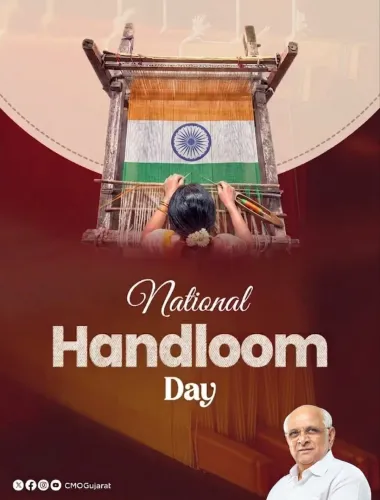
Gujarat CM Bhupendra Patel buys handloom products on National Handloom Day 2025
Synopsis
Gujarat CM Bhupendra Patel walked into a government handloom outlet in Gandhinagar and made purchases on National Handloom Day — a symbolic but deliberate act backing PM Modi's 'Vocal for Local' push. With millions of weavers facing market pressure from power looms, the annual August 7 observance is as much an economic intervention as a cultural one.
Key Takeaways
Gujarat CM Bhupendra Patel visited Garvi Gurjari in Gandhinagar on 7 August to purchase handloom products on National Handloom Day .
The visit was in response to PM Narendra Modi 's nationwide appeal to support rural artisans and the handloom sector.
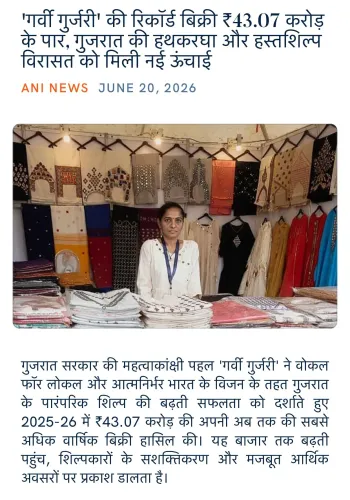
Garvi Gurjari is an enterprise of the Gujarat State Handloom and Handicrafts Development Corporation .
National Handloom Day has been observed on 7 August every year since 2015 , commemorating the Swadeshi Movement of 1905 .
The observance supports the 'Vocal for Local' initiative, aimed at expanding market access for handloom goods and strengthening the rural economy.
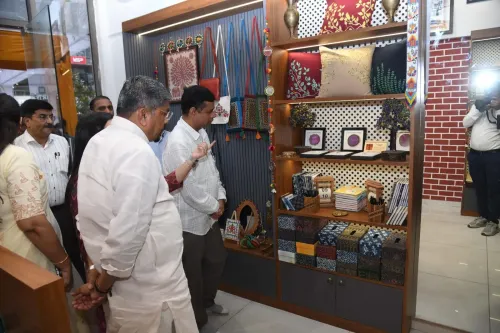
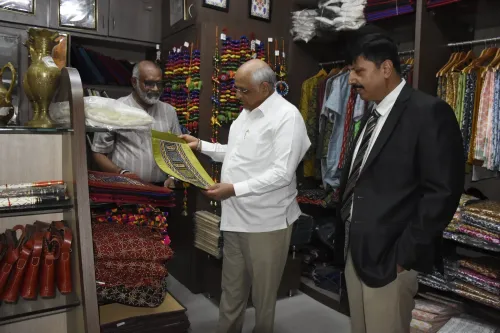
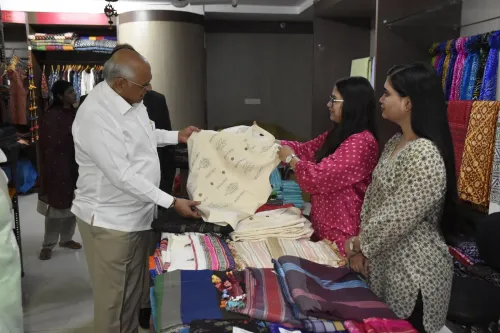
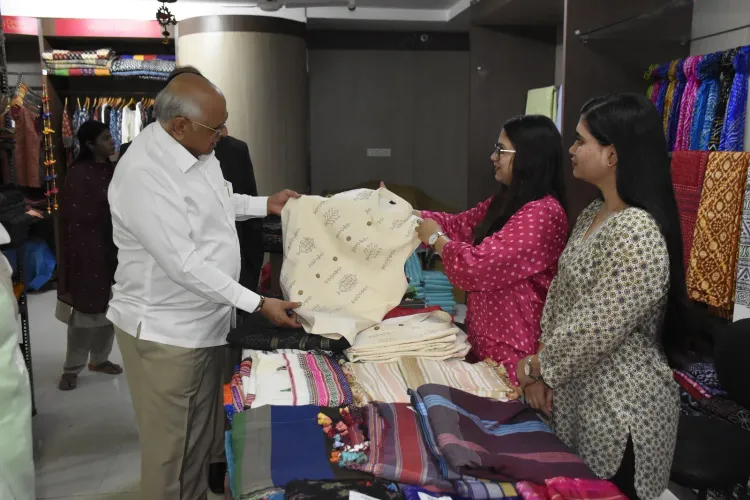
Gujarat Chief Minister Bhupendra Patel on 7 August visited the state-run Garvi Gurjari outlet in Gandhinagar to purchase handloom products, marking National Handloom Day and responding to Prime Minister Narendra Modi's nationwide call to back India's handloom sector and the rural artisans who sustain it.
The Visit and What Happened
Patel shopped for locally made handloom goods at Garvi Gurjari, an enterprise of the Gujarat State Handloom and Handicrafts Development Corporation. During the visit, he interacted with outlet employees and sought details about the range of products on offer. Senior officials including Chief Secretary M.K. Das and Corporation Managing Director and Secretary Ardra Agrawal accompanied him.
PM Modi's Appeal and the 'Vocal for Local' Push
Prime Minister Modi's appeal on National Handloom Day centred on encouraging citizens to choose handloom products as a direct means of strengthening rural livelihoods and preserving India's traditional weaving heritage. The call aligns with the broader 'Vocal for Local' initiative, which seeks to expand market access for handloom and handicraft goods while reinforcing the rural economy and the country's cultural identity.
Why National Handloom Day Is Observed on August 7
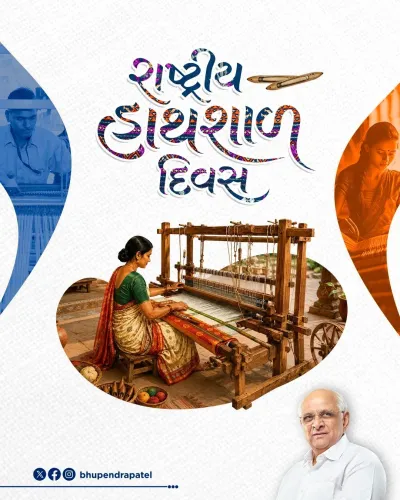
National Handloom Day has been observed every year on 7 August since 2015, following an initiative launched by Prime Minister Modi. The date was chosen to commemorate the Swadeshi Movement, which began on 7 August 1905 during India's freedom struggle and championed the use of indigenous goods over imported ones. The annual observance recognises the contribution of the country's handloom weavers, promotes traditional crafts, and aims to generate greater public awareness of the sector.
Impact on Rural Artisans and the Handloom Sector
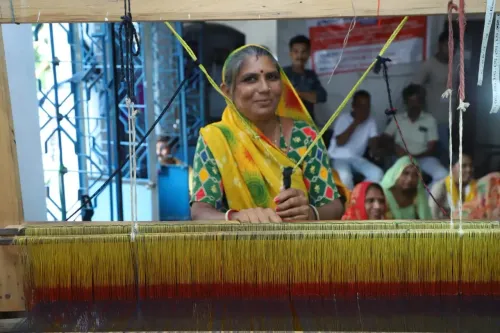
The observance also targets improved economic opportunities for small and underprivileged artisans by nudging consumers toward handloom purchases. Gujarat's participation this year underscores continued state-level efforts to promote locally produced goods while supporting weaving communities both within the state and nationally. Notably, India's handloom sector employs millions of weavers — making it one of the largest rural cottage industries in the country — yet it faces persistent pressure from power-loom and synthetic-fabric competition.
Gujarat's Role in the National Handloom Ecosystem
Garvi Gurjari has long served as a government-backed platform to bring Gujarat's handloom and handicraft products to urban consumers. The Chief Minister's direct purchase at the outlet is a symbolic gesture intended to encourage public participation in the annual campaign and spotlight the state's weaving traditions ahead of the festive season.
Point of View
But the structural challenge facing India's handloom sector runs deeper than one day's symbolism. Power-loom and synthetic-fabric competition has squeezed weaver incomes for decades, and 'Vocal for Local' campaigns — however well-intentioned — have not demonstrably shifted mass consumer purchasing patterns. The real question is whether state-run outlets like Garvi Gurjari are being modernised with e-commerce reach and fair pricing, or whether they remain legacy retail points that serve symbolic rather than scalable economic functions. Gujarat's participation is welcome; the test is whether it translates into year-round procurement and marketing support for the weavers behind the products.
NationPress
21 Sept 2026
Frequently Asked Questions
What did Gujarat CM Bhupendra Patel do on National Handloom Day 2025?
Gujarat Chief Minister Bhupendra Patel visited the Garvi Gurjari outlet in Gandhinagar on 7 August and purchased handloom products, responding to PM Modi's nationwide appeal to support rural artisans and the handloom industry.
What is Garvi Gurjari?
Garvi Gurjari is a state-run retail enterprise of the Gujarat State Handloom and Handicrafts Development Corporation, set up to promote and sell Gujarat's handloom and handicraft products to consumers.
Why is National Handloom Day observed on August 7?
National Handloom Day is observed on 7 August each year since 2015 to commemorate the Swadeshi Movement, which was launched on 7 August 1905 during India's freedom struggle and promoted the use of indigenous goods.
What is the 'Vocal for Local' initiative linked to this event?
'Vocal for Local' is a broader government campaign encouraging citizens to prefer domestically made products, including handloom goods. It aims to expand market opportunities for Indian artisans, preserve cultural heritage, and strengthen the rural economy.
Who were the senior officials present during CM Patel's Garvi Gurjari visit?
Chief Secretary M.K. Das and Gujarat State Handloom and Handicrafts Development Corporation Managing Director and Secretary Ardra Agrawal were among the senior officials present during the Chief Minister's visit.