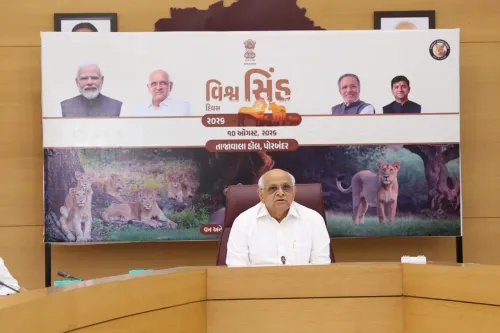
Gujarat CM Bhupendra Patel Marks World Lion Day 2026
Synopsis
Gujarat CM Bhupendra Patel joined World Lion Day 2026 in Porbandar via video conference, crediting Project Lion — launched under PM Modi — with boosting Asiatic lion populations and expanding their range, while calling on citizens to commit to conservation.
Key Takeaways
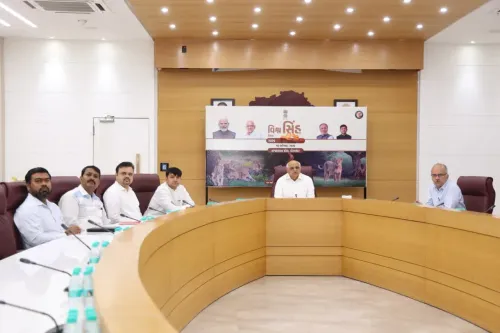
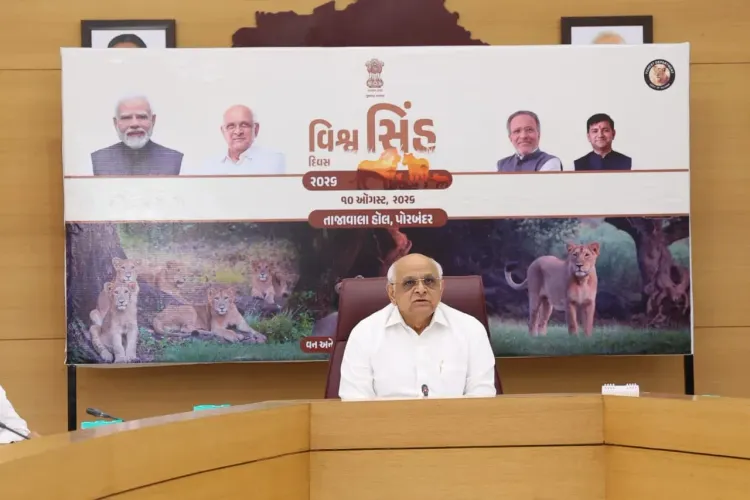
Gujarat CM Bhupendra Patel participated in the World Lion Day 2026 event in Porbandar via video conference on 10 August 2026 .
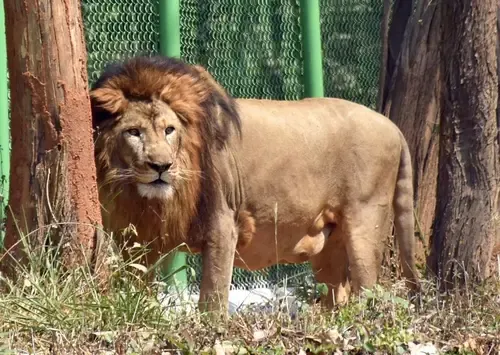
Gujarat is the world's only natural habitat for the Asiatic lion , a status the CM described as a matter of national and global pride.
Project Lion , launched in 2020 under PM Modi's guidance, was credited with measurable gains in lion population, range expansion, habitat restoration, and human-animal conflict reduction.
The Chief Minister reaffirmed the Gujarat state government's commitment to lion protection, breeding, and public awareness efforts.
Citizens were directly called upon to take personal responsibility for conserving Gujarat's lions and natural ecosystems.
On a day the world pauses to reckon with the fate of its lions, Gujarat Chief Minister Bhupendra Patel joined the state's World Lion Day 2026 celebrations in Porbandar via video conference on Monday, 10 August 2026 — reaffirming Gujarat's singular place in the global story of Asiatic lion survival.
Gujarat's pride: the last wild home of the Asiatic lion
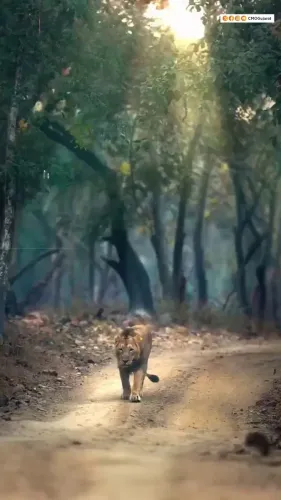
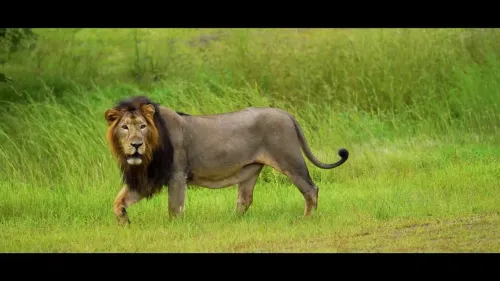
CM Patel opened with a point of quiet but enormous consequence: Gujarat remains the only natural habitat on earth for the Asiatic lion (Panthus leo persica). He described the lion as having grown into a 'global symbol of India's identity' — a statement that carries both ecological weight and a pointed national pride. The Gir landscape, once on the brink of losing its lions entirely in the early twentieth century, now stands as one of conservation's most-cited recovery stories.
Project Lion and the push behind the numbers
Project Lion, launched in 2020 by the Government of India under the guidance of Prime Minister Narendra Modi, was cited by the Chief Minister as the central force behind measurable gains — lion population growth, an expanded range of movement, restored habitats, and reduced human-animal conflict. The programme brought together the Gujarat forest department, Gir-region communities, and wildlife bodies under a consolidated central framework, mirroring India's broader big-cat conservation architecture that includes Project Tiger and Project Cheetah.
Patel underlined that the lion's territorial spread — a key indicator of a healthy, confident population — has grown noticeably, signalling that the animals are no longer confined to a single stressed pocket of forest but are pushing outward into adjacent landscapes.
A call to citizens, not just officials
The Chief Minister did not stop at policy. He called on Gujarat's citizens directly — urging them to commit to protecting the lions and the natural ecosystems they anchor. The state government, he said, remains fully committed to conservation, awareness, and breeding efforts. It was a deliberate shift in register: from bureaucratic achievement to civic responsibility, from government programme to shared cultural inheritance.
The next Asiatic lion census and any formal updates on Project Lion's habitat corridor and translocation proposals will be the real test of whether the numbers behind today's pride continue to hold.
Point of View
Rather than just citing official programmes, is consistent with a broader BJP governance communication style that seeks to convert state achievements into participatory civic pride.
NationPress
10 Aug 2026
Frequently Asked Questions
What is World Lion Day and when is it observed?
World Lion Day is observed annually on 10 August to promote global awareness about lion conservation challenges and celebrate conservation successes. In 2026, Gujarat marked the occasion with an event in Porbandar .
What is Project Lion India?
Project Lion is a central government conservation programme launched in 2020 focused on protecting Asiatic lions in Gujarat — covering habitat management, population monitoring, and reducing conflict between lions and local communities.
Where do Asiatic lions live in India?
Gujarat is the only natural habitat of the Asiatic lion in the world. The Gir forest region in Gujarat has been their home for over a century and is the centre of India's lion conservation efforts.
Has the Asiatic lion population increased in Gujarat?
According to statements made by CM Bhupendra Patel on World Lion Day 2026, both the lion population and their range of movement have seen 'significant increases,' attributed to measures under Project Lion and sustained state-level interventions.
Why was the World Lion Day 2026 event held in Porbandar?
The World Lion Day 2026 event was organised in Porbandar , a coastal city in Gujarat. As the state hosting the world's only wild Asiatic lion population, Gujarat regularly anchors lion conservation events, with Porbandar selected as the venue for this year's observance.