Gujarat CM Bhupendra Patel's govt hospitals win 3 national organ donation awards
Synopsis
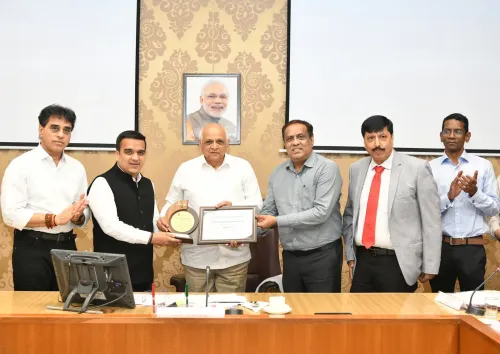
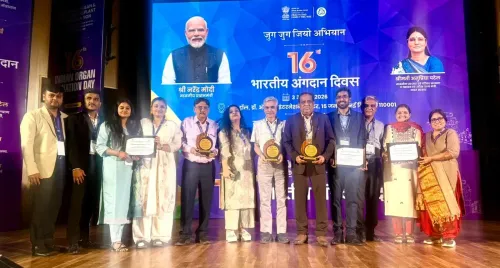
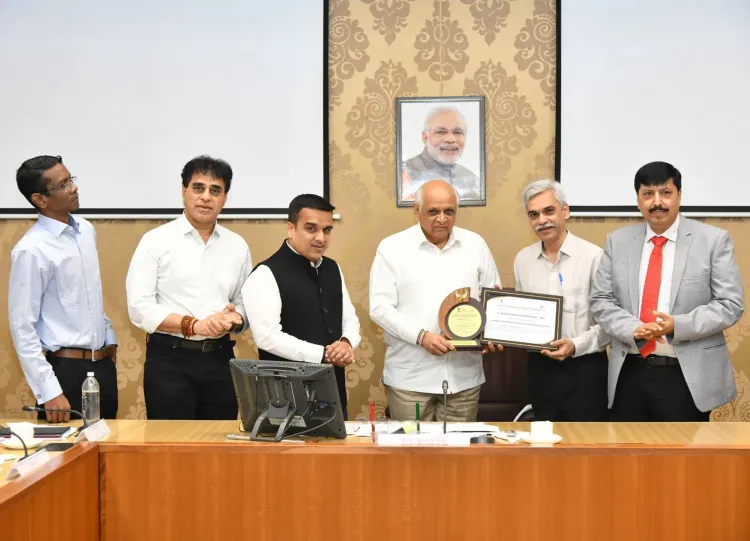
Three Gujarat government hospitals — IKDRC Ahmedabad, Ahmedabad Civil Hospital, and Surat New Civil Hospital — won national awards at the 16th Indian National Organ Donation Day in New Delhi. Health Minister of State Prafullbhai Panseria presented the trophies before CM Bhupendra Patel and the full state cabinet on 12 August 2026.
Key Takeaways
IKDRC Ahmedabad won the 'Excellence in Leading Government Hospital in Organ Transplantation' award at the national ceremony.
Ahmedabad Civil Hospital received the 'Best Non-Transplant Organ Retrieval Centre (NTORC)' award for deceased-donor organ retrieval.
Surat New Civil Hospital won the 'Best Brain Stem Death Team' national award for timely identification, family counselling, and scientific protocols.
The awards were presented at the 16th Indian National Organ Donation Day ceremony held in New Delhi on 3 August 2026 .
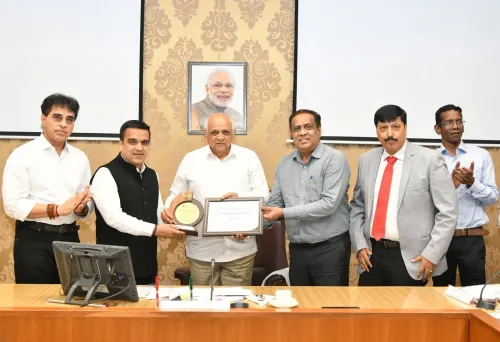
Health Minister of State Prafullbhai Panseria formally displayed the awards before the full Gujarat cabinet on 12 August 2026 .
Chief Minister Bhupendra Patel and the Deputy Chief Minister led the cabinet in congratulating the state Health Department.
Three government hospitals from Gujarat swept national honours at the 16th Indian National Organ Donation Day ceremony in New Delhi, a clean sweep that signals the state's growing muscle in one of Indian public health's most demanding disciplines. The Chief Minister's Office of Gujarat announced on Wednesday, 12 August 2026 that Health Minister of State Prafullbhai Panseria formally presented the three trophies before Chief Minister Bhupendra Patel, the Deputy Chief Minister, and the full state cabinet.
The three awards and what each hospital earned them for
The haul covers three distinct, demanding categories. The Institute of Kidney Diseases and Research Centre (IKDRC) in Ahmedabad received the 'Excellence in Leading Government Hospital in Organ Transplantation' award — a nod to its standing as one of the country's foremost public-sector transplant institutions. Ahmedabad Civil Hospital took the 'Best Non-Transplant Organ Retrieval Centre (NTORC)' award for its record in successfully retrieving organs from deceased donors, a logistically complex and time-critical process. And Surat's New Civil Hospital was recognised with the 'Best Brain Stem Death Team' national award for its timely identification of brain stem death cases, sensitive counselling of grieving families, and adherence to scientific protocols — the human and procedural front line of the entire donation chain.
Cabinet applause and what it means for Gujarat's health ambitions
The moment carried deliberate symbolism: Panseria did not merely report the wins in a written note — he physically presented the awards inside the cabinet meeting, turning a routine ministerial briefing into a public health milestone moment. Chief Minister Patel and the Deputy Chief Minister led the full cabinet in congratulating the state's Health Department. Gujarat has been building transplantation infrastructure steadily, and this triple recognition at the national level reflects that sustained investment in public hospital protocols and trained personnel.
India's organ donation gap — and why Gujarat's model matters
India's deceased organ donation rate remains well below global averages, a gap that costs thousands of patients on waiting lists their lives each year. The country's organ transplant framework rests on two pillars: the Transplantation of Human Organs Act (enacted 1994, amended 2011) and the National Organ and Tissue Transplant Organisation (NOTTO), set up in 2014 as the national nodal coordinator. Within that framework, state governments carry the operational weight — identifying brain stem deaths in public hospitals, training retrieval teams, and counselling families under the worst circumstances imaginable. Gujarat winning all three award categories in a single year is not a coincidence; it reflects a replicable system that NOTTO and other states will now study closely.
The cabinet's decision to publicly celebrate these awards inside a formal ministerial meeting also sends a governance signal: organ donation performance is now a metric the state tracks and rewards, not a quiet medical administrative function. That shift in political attention — however incremental — is exactly what public health advocates have argued is needed to move India's donation numbers.
Point of View
The Bhupendra Patel government has explicitly linked organ donation performance to political accountability, a framing that health administrators have long sought from state leadership. The triple win also positions Gujarat as a model for NOTTO's push to improve deceased donation rates nationally, at a time when India's gap with global benchmarks remains a persistent policy embarrassment. Whether this recognition translates into expanded NTORC networks or faster brain stem death training programmes across other states will be the real measure of its impact.
NationPress
12 Aug 2026
Frequently Asked Questions
Which Gujarat hospitals won awards at the National Organ Donation Day 2026?
Three Gujarat government hospitals won national awards: IKDRC Ahmedabad won the 'Excellence in Leading Government Hospital in Organ Transplantation' award, Ahmedabad Civil Hospital won the 'Best Non-Transplant Organ Retrieval Centre' award, and Surat New Civil Hospital won the 'Best Brain Stem Death Team' award.
What is IKDRC and why did it win the organ transplantation award?
IKDRC, the Institute of Kidney Diseases and Research Centre in Ahmedabad, is a premier government facility specialising in kidney diseases and transplantation. It received the national excellence award for its leading role in government hospital organ transplantation in India.
What is the National Organ Donation Day in India?
National Organ Donation Day is an annual Indian event held to promote awareness about organ donation and to honour hospitals and teams that have made outstanding contributions to transplantation. The 16th edition was held in New Delhi on 3 August 2026.
What is a Non-Transplant Organ Retrieval Centre (NTORC)?
An NTORC is a hospital that retrieves organs from deceased donors but does not itself perform transplants. Ahmedabad Civil Hospital won the national award for best NTORC for its success in organ retrieval from deceased donors.
Why is brain stem death identification important for organ donation?
Brain stem death is the medical and legal basis for deceased organ donation in India. Timely identification, proper certification, and sensitive counselling of the donor's family are essential steps before organs can be retrieved. Surat New Civil Hospital won the national award for excelling in all three aspects.