CM Conrad Sangma Backs Meghalaya's UPSC Aspirants
Synopsis
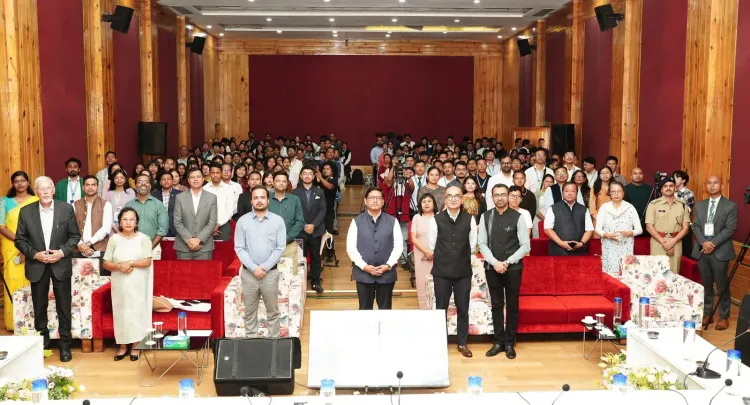
Meghalaya CM Conrad Sangma attended Ascent 2026 at MATI on 12 August 2026, distributed CM-Aspire cheques to seven UPSC Prelims qualifiers, and inaugurated a Digital Learning Lab — advancing the state's push to build a stronger civil services pipeline from the Northeast.
Key Takeaways
Seven candidates who cleared the UPSC Civil Services Preliminary Examination received CM-Aspire financial support cheques at the event.
Ascent 2026 was held at MATI (Meghalaya Administrative Training Institute) on 12 August 2026 , focused on building a UPSC preparation ecosystem.
A new Digital Learning Lab was inaugurated at MATI to expand digital access for competitive examination aspirants.
The CM-Aspire scheme provides financial assistance, guidance and mentorship to civil services aspirants from Meghalaya.
Northeastern states have historically been under-represented in UPSC selections; Meghalaya's NPP government has made closing that gap a stated priority.
CM Sangma urged aspirants to 'set clear goals, remain resilient and never give up without trying,' and extended the vision to entrepreneurship, sports and nation-building.
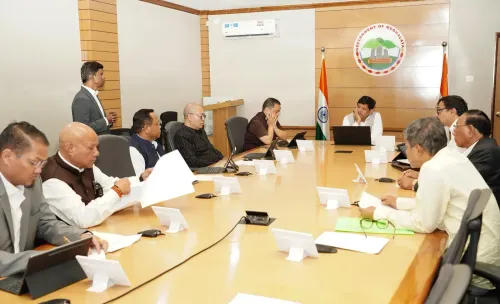
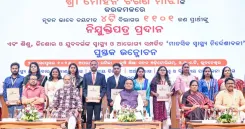
Seven young men and women from Meghalaya walked out of MATI on Wednesday, 12 August 2026 with more than a certificate — they walked out with a cheque and a government's public commitment behind them. Meghalaya Chief Minister Conrad Sangma attended Ascent 2026, a seminar at the Meghalaya Administrative Training Institute (MATI) designed to build a stronger ecosystem for UPSC and other competitive examination aspirants, and personally distributed CM-Aspire financial support cheques to the seven candidates who cleared the UPSC Civil Services Preliminary Examination.
What CM-Aspire offers Meghalaya's civil services hopefuls
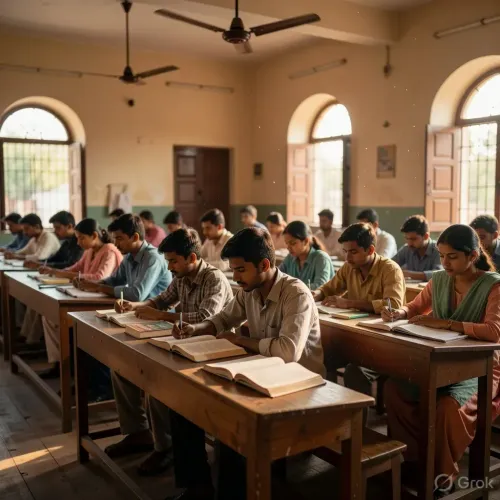
The CM-Aspire scheme is the Meghalaya government's direct intervention in the UPSC pipeline — providing financial assistance, structured guidance and mentorship to aspirants who would otherwise have to self-fund expensive coaching in metros far from home. The premise is straightforward: the Northeast has no shortage of talent, but has historically produced fewer successful UPSC candidates than its population warrants, partly because the support infrastructure never matched the ambition.
Sangma framed the scheme in precisely those terms. 'Meghalaya has no shortage of talent,' he said. 'What we need is the right ecosystem of guidance, training, mentorship and financial support to help our young people realise their potential.' The cheques handed over at Ascent 2026 represent that ecosystem made tangible.
A Digital Learning Lab lands at MATI
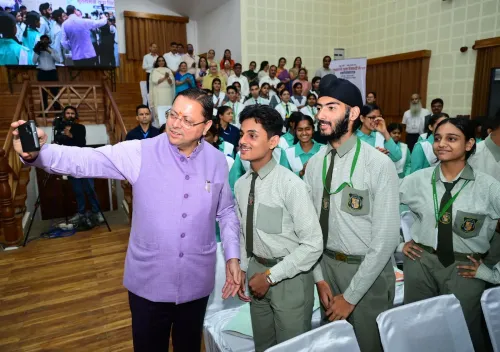
Alongside the cheque distribution, Sangma inaugurated a new Digital Learning Lab at MATI — adding a technology layer to the institute's existing capacity-building role. The lab is intended to give aspirants access to digital resources that can close the preparation gap between Shillong and larger coaching hubs. Sangma interacted with students, aspirants, teachers and parents at the event, urging the young audience to 'set clear goals, remain resilient and, most importantly, never give up without trying.'
The Northeast's long push for UPSC representation
Northeastern states have run targeted support programmes for decades to lift their share of successful UPSC selections, recognising that historical under-representation in the civil services has real consequences for how the region is administered and advocated for at the national level. Meghalaya's current NPP-led government has made training infrastructure and direct financial assistance to aspirants a visible plank of its youth development agenda.
The vision Sangma articulated at Ascent 2026 stretches beyond the IAS. 'Our vision is to see Meghalaya's youth excel not only in civil services, but in every field — from innovation and entrepreneurship to sports and nation-building,' he said. Whether the Digital Learning Lab model expands to other districts, and how the seven supported candidates perform in the UPSC Mains and final selections, will be the real test of that vision.
Point of View
Not just an aspiration. For a state that has long punched below its weight in civil services selections, institutionalising financial and mentorship support at MATI gives the effort structural staying power beyond any single administration. The Digital Learning Lab adds a scalable technology layer that, if replicated across districts, could meaningfully reduce the preparation disadvantage Meghalaya aspirants face relative to coaching-rich metros. The real political dividend, however, will only arrive when final selection numbers from the Northeast begin to move — and Sangma appears to be betting that 2026 is the inflection point.
NationPress
26 Sept 2026
Frequently Asked Questions
What is the CM-Aspire scheme in Meghalaya?
CM-Aspire is a Meghalaya government scheme that provides financial support, guidance and mentorship to candidates preparing for UPSC and other competitive civil services examinations, aiming to build a stronger preparation ecosystem within the state.
What happened at Ascent 2026 at MATI?
Ascent 2026 was a seminar held at the Meghalaya Administrative Training Institute (MATI) on 12 August 2026, where CM Conrad Sangma distributed CM-Aspire cheques to seven UPSC Prelims qualifiers and inaugurated a new Digital Learning Lab.
Why does Meghalaya run special programmes for UPSC aspirants?
Northeastern states, including Meghalaya, have historically had lower representation in UPSC civil services selections. Targeted schemes like CM-Aspire are designed to close that gap by providing financial aid and structured support that aspirants would otherwise have to seek in distant coaching hubs.
What is MATI and what role does it play?
MATI stands for Meghalaya Administrative Training Institute. It is the state's primary body for administrative training and capacity building, and now also hosts the newly inaugurated Digital Learning Lab for competitive examination aspirants.
What is Conrad Sangma's vision for Meghalaya's youth?
CM Conrad Sangma has stated his vision is for Meghalaya's youth to excel not only in civil services but across all fields — including innovation, entrepreneurship, sports and nation-building — supported by a strong ecosystem of guidance, training and financial assistance.