Meghalaya CM Sangma sets higher UPSC bar, cites ecosystem gap
Synopsis
Meghalaya CM Conrad Sangma used the Ascent 2026 seminar to reframe his state's UPSC challenge: not a talent deficit, but an ecosystem failure. By invoking the STAR Programme's village-level talent hunt — targeting an Olympic medal by 2036 — he signalled that the same pipeline logic is now being applied to civil services, with ₹50,000 cheques and the CM-Inspire scheme as the opening move.
Key Takeaways
Sangma addressed the 'Ascent 2026' seminar at Mawdiangdiang, Shillong on 12 August .
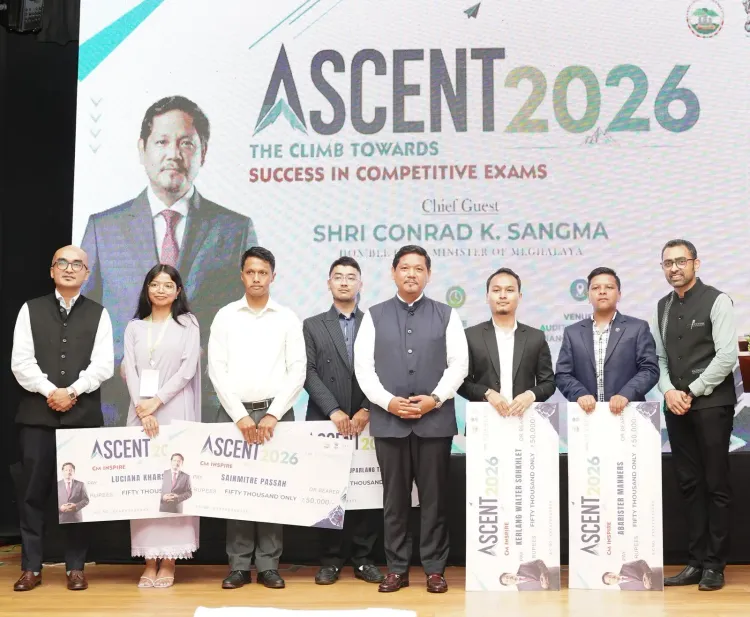
Seven UPSC Civil Services Preliminary qualifiers received ₹50,000 each under the CM-Inspire programme.
Sangma cited the STAR Programme , which screened 30,000 youth across villages, selecting 10 athletes for specialised support toward an Olympic medal by 2036 .
He noted roughly 20–30 major competitive examinations offer opportunities that many Meghalaya youth remain unaware of.
The state government aims to build long-term ecosystems across sports, STEM, entrepreneurship, innovation , and competitive examinations.
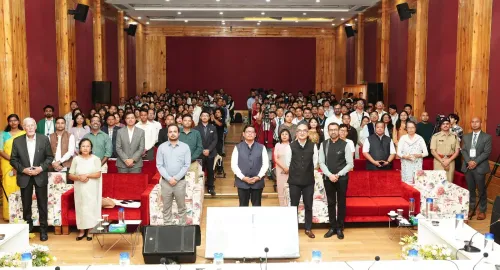
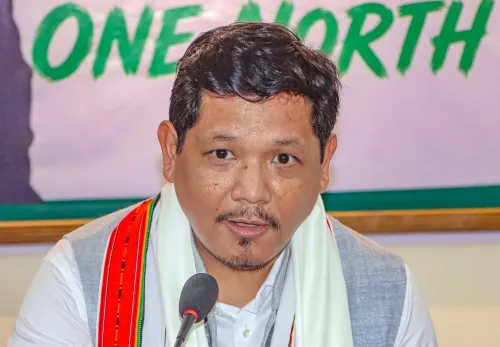
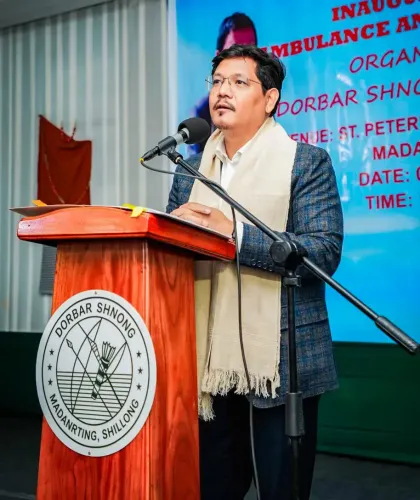
Meghalaya Chief Minister Conrad K. Sangma on Wednesday, 12 August declared that the state has no shortage of talent to produce successful Union Public Service Commission (UPSC) candidates, but identified a critical gap in the ecosystem of training, mentorship, and financial support needed to convert that potential into results. He was speaking at the 'Ascent 2026' seminar organised by the Meghalaya Administrative Training Institute (MATI) at Mawdiangdiang, Shillong.
What Sangma Said
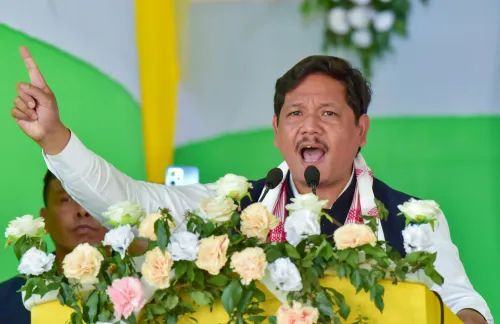
'There is no dearth of talent' in Meghalaya, Sangma told aspirants, adding that the state could have produced 'much, much higher' numbers of candidates clearing national competitive examinations. He stressed that the real challenge lay in bringing stakeholders together, creating the right environment, and equipping aspirants with proper guidance — both for individual success and for the state's development.
The Chief Minister also urged candidates to reflect on their motivation beyond simply clearing an exam and earning an IAS designation, drawing on his own experience of losing the 2004 election as an example of how setbacks should be analysed rather than feared. 'Failure is not in our hands. But not trying is definitely in our hands,' he said.
CM-Inspire Programme and Financial Support
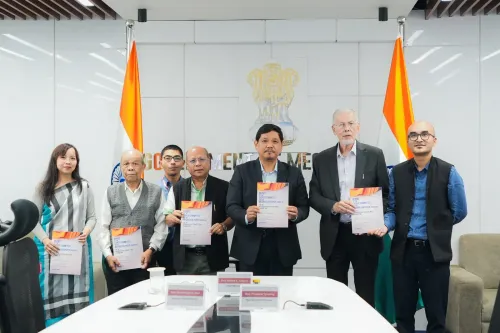
As part of the event, Sangma and other dignitaries distributed CM-Inspire cheques of ₹50,000 each to seven candidates who cleared the UPSC Civil Services Preliminary Examination. The CM-Inspire programme is the state government's institutional vehicle for providing sustained support — financial and otherwise — to competitive examination aspirants.
Sangma noted that there are around 20–30 major competitive examinations offering significant opportunities that many young people in the state may not even be aware of, underlining the need for broader outreach alongside coaching infrastructure.
The Sports Parallel: STAR Programme as a Blueprint
Drawing a direct parallel with competitive examinations, Sangma cited the state's STAR Programme, under which nearly 30,000 young people were screened across villages to identify sporting talent. From that pool, 10 athletes were selected for specialised support covering education, nutrition, psychological counselling, physiotherapy, training, and coaching.
The long-term objective, he said, is to see at least one of these athletes win an Olympic medal at the 2036 Games. He indicated that the same model — talent identification, ambitious targets, and structured support systems — was now being applied to UPSC and other competitive examinations.
Broader Ecosystem Vision
Sangma outlined a wider state ambition to build long-term ecosystems spanning sports, entrepreneurship, innovation, STEM, and competitive examinations. The approach signals a shift from one-off coaching initiatives toward sustained, institutionalised pipelines that track aspirants from identification through to outcome.
With the 'Ascent 2026' seminar marking a formal push in this direction, the government's next steps will likely determine whether the ecosystem rhetoric translates into measurable improvements in Meghalaya's national examination results.
Point of View
And attributing that gap solely to ecosystem deficits sidesteps questions about curriculum quality and urban-rural access to coaching. The CM-Inspire cheques — ₹50,000 per preliminary qualifier — are a start, but the STAR Programme analogy cuts both ways: from 30,000 screened, only 10 were selected, a 0.03% conversion rate. If that model is the template for civil services, the ambition is real but the scale of institutional investment required is far larger than a seminar and a cheque distribution can signal.
NationPress
27 Sept 2026
Frequently Asked Questions
What is the CM-Inspire programme in Meghalaya?
CM-Inspire is the Meghalaya state government's programme to provide sustained institutional support — including financial assistance — to aspirants of UPSC and other national competitive examinations. At the Ascent 2026 seminar on 12 August, seven candidates who cleared the UPSC Civil Services Preliminary Examination received ₹50,000 each under the scheme.
What did CM Conrad Sangma say about Meghalaya's UPSC talent?
Sangma said there is 'no dearth of talent' in Meghalaya and that the state could have produced 'much, much higher' numbers of UPSC qualifiers. He argued the real barrier is the absence of a strong ecosystem of training, mentorship, and financial guidance rather than any deficit in the candidates themselves.
What is the STAR Programme and how does it connect to UPSC preparation?
The STAR Programme is Meghalaya's sports talent identification initiative, under which nearly 30,000 youth were screened across villages and 10 athletes selected for comprehensive support including nutrition, coaching, and psychological counselling. Sangma cited it as a blueprint for applying the same pipeline approach to competitive examinations and other fields.
How many competitive examinations did Sangma say Meghalaya youth should target?
Sangma highlighted approximately 20 to 30 major competitive examinations that offer significant career opportunities, noting that many young people in the state are not even aware of these options beyond the UPSC Civil Services.
What is Meghalaya's Olympic target under the STAR Programme?
The state government aims to nurture the 10 selected athletes with the long-term goal of at least one of them winning an Olympic medal at the 2036 Games.