CM Conrad Sangma Backs Dedicated Meghalaya Paper in MCS Exam
Synopsis
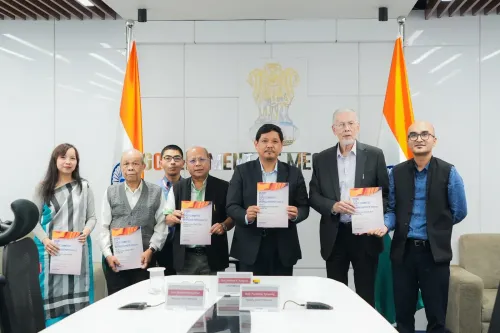
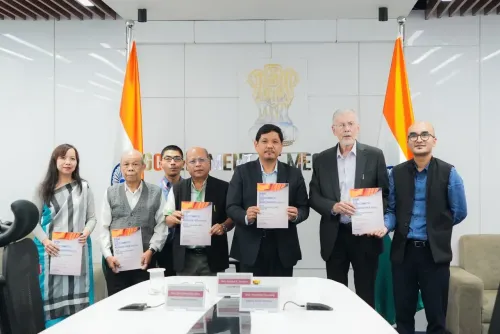
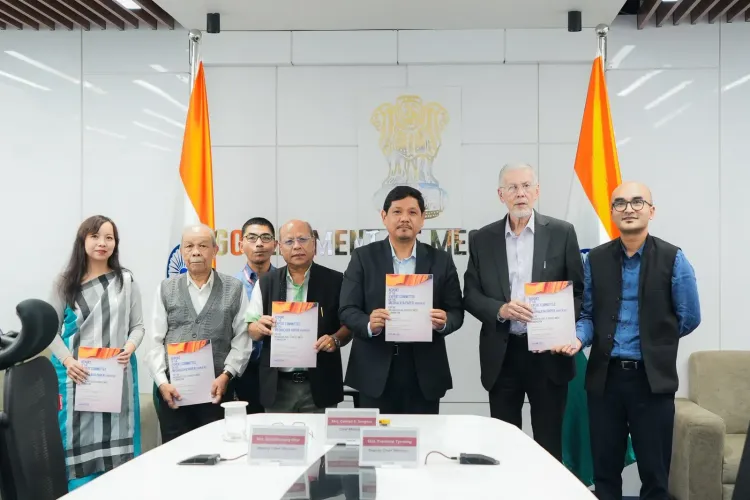
Meghalaya CM Conrad Sangma has received an expert committee report led by former UPSC chairman Prof. David Syiemlieh recommending a new Paper VI in the MCS exam, focusing on Meghalaya's history, culture, traditional systems and economy to better prepare state civil servants.
Key Takeaways
Paper VI proposed for the Meghalaya Civil Service (MCS) Competitive Examination will focus exclusively on Meghalaya's history, culture, traditional systems, society and economy.
The expert committee was headed by Professor David Syiemlieh , academic and former chairman of the Union Public Service Commission .
CM Conrad Sangma received the committee's report on August 14, 2026 and shared the development publicly.
The reform aims to ensure MCS officers have deeper grounding in Meghalaya's unique socio-cultural and economic realities before entering service.
Meghalaya's move reflects a broader trend in northeastern and tribal-majority states of embedding regional content into civil service syllabi.
The next step is notification of the revised syllabus by the Meghalaya Public Service Commission and rollout in an upcoming examination cycle.
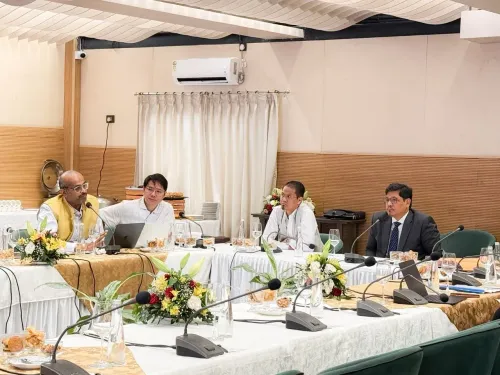
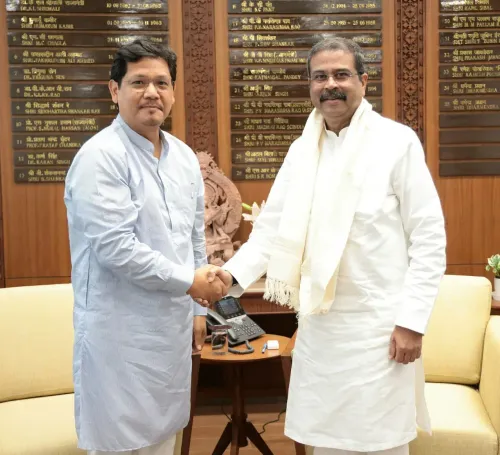
A new chapter in how Meghalaya trains its own administrators is taking shape. Meghalaya Chief Minister Conrad Sangma on Friday, August 14, 2026, announced that he has received the report of an expert committee recommending the introduction of a dedicated paper on Meghalaya in the Meghalaya Civil Service (MCS) Competitive Examination — a move designed to ensure the state's future bureaucrats are rooted in its distinct history, culture and society.
The committee, headed by Professor David Syiemlieh — a distinguished academic and former chairman of the Union Public Service Commission — has proposed that the new paper be designated Paper VI. It will cover Meghalaya's history, culture, traditional governance systems, society, economy and other state-specific aspects. The Chief Minister shared the development tagging Jual Oram, senior BJP leader and former Union Minister of Tribal Affairs, and Union Minister Jyotiraditya Scindia.
Why Paper VI Changes the Game for MCS Officers
The MCS is the backbone of Meghalaya's district and block-level administration. Officers who clear it manage land records, welfare delivery, tribal affairs and law and order across a state where customary law, matrilineal social structures and community-based governance are everyday realities — not footnotes. A generalist syllabus, critics have long argued, leaves new officers underprepared for that complexity.
Paper VI directly addresses that gap. By making Meghalaya's unique socio-cultural and economic context a scored, examined subject, the state signals that local knowledge is not optional background reading — it is a core administrative competency. The objective, as Sangma put it, is to ensure 'future MCS officers have a deeper understanding of Meghalaya and its unique social, cultural and economic context.'
A Pattern Gaining Momentum Across the Northeast
Meghalaya's move is part of a broader rethink underway in several northeastern and tribal-majority states. Across the region, public service commissions have been revising syllabi to embed regional history, customary law and local socio-economic realities — a recognition that effective governance in diverse, culturally distinct territories demands officers who understand the ground beneath their feet. Meghalaya is now formalising that instinct into examination architecture.
Professor Syiemlieh's credentials lend the committee's recommendations considerable weight. His tenure at the apex of India's civil services examination system gives the proposed reform both academic rigour and institutional credibility — a combination that should ease its path through the Meghalaya Public Service Commission.
The next milestone to watch: the MPSC notifying the revised syllabus and the first examination cycle in which Paper VI actually appears. When that happens, every MCS aspirant in the state will need to know Meghalaya — not just India — to clear the exam.
Point of View
Not assumed. By anchoring the reform to Prof. Syiemlieh's institutional credibility, Sangma insulates it from political criticism and gives it durable legitimacy. The tagging of Union Ministers Oram and Scindia signals a conscious effort to align the reform with the Centre's tribal-affairs and governance agenda, potentially smoothing resource flows for implementation. If the MPSC moves swiftly, Meghalaya could become a template for how other culturally distinct northeastern states redesign their own civil service pipelines.
NationPress
28 Sept 2026
Frequently Asked Questions
What is the new Paper VI in the Meghalaya Civil Service exam?
Paper VI is a proposed dedicated paper in the MCS Competitive Examination that will cover Meghalaya's history, culture, traditional governance systems, society and economy, recommended by an expert committee headed by Prof. David Syiemlieh.
Who is Professor David Syiemlieh?
Professor David Syiemlieh is a senior academic and former chairman of the Union Public Service Commission (UPSC) who headed the expert committee on MCS examination reforms in Meghalaya.
Why is Meghalaya adding a state-specific paper to the MCS exam?
The objective is to ensure future MCS officers have a deeper understanding of Meghalaya's unique social, cultural and economic context before they enter service, improving administrative effectiveness in a state with distinct customary and community governance structures.
When will the new MCS syllabus with Paper VI come into effect?
An exact timeline has not been announced. The next step is for the Meghalaya Public Service Commission to notify the revised syllabus, after which it will appear in an upcoming examination cycle.
Is Meghalaya the first state to add a regional paper to its civil service exam?
Meghalaya is part of a broader trend — several northeastern and tribal-majority states have previously revised their public service syllabi to include regional history, customary law and local socio-economic content.