Conrad Sangma Adds Meghalaya Paper to MCS Exam
Synopsis
Meghalaya Cabinet has approved a new Paper VI in the MCS Competitive Examination, covering the state's history, culture, traditional systems, and economy. The decision follows an expert committee report by historian Prof. David Syiemlieh and aims to give future civil servants a grounded understanding of Meghalaya's distinct Sixth Schedule context.
Key Takeaways
The Meghalaya Cabinet has approved a dedicated Paper VI in the MCS Competitive Examination on 13 August 2026 .
Paper VI will cover Meghalaya's history, culture, traditional systems, society, and economy.
The paper is based on recommendations by an expert committee headed by historian Prof.
Syiemlieh , a former UPSC member and former Vice-Chancellor of Rajiv Gandhi University.
Meghalaya is a Sixth Schedule state with autonomous district councils and customary law — a context the new paper directly addresses.
The revised MCS syllabus and the first exam cycle including Paper VI are the next milestones to watch.
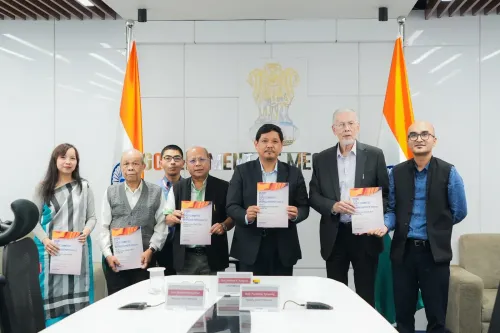
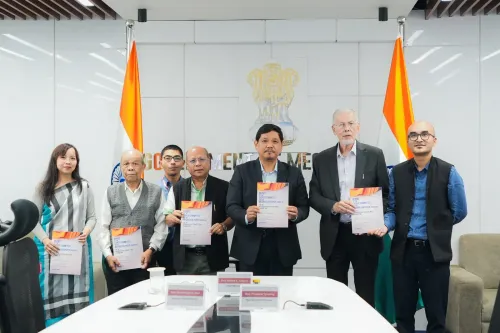
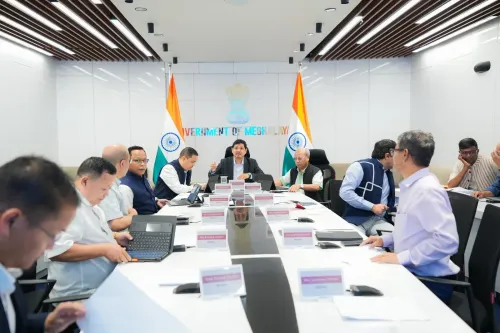
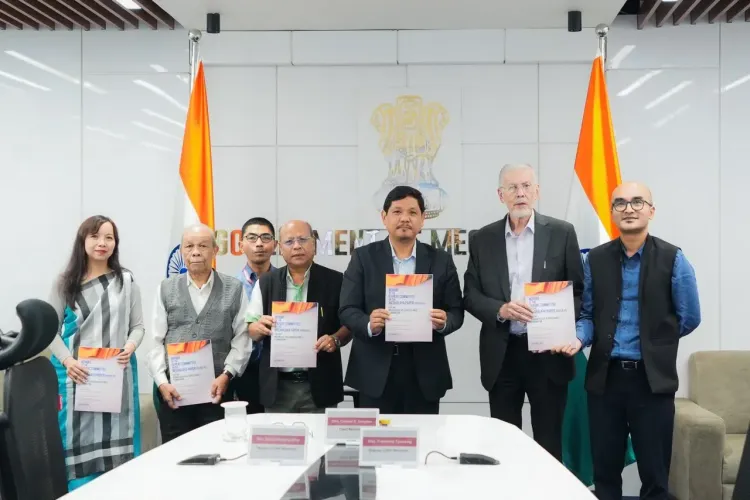
Meghalaya Chief Minister Conrad Sangma has moved to reshape what the state's civil servants actually know about the land they govern — the Meghalaya Cabinet has approved the introduction of a dedicated paper on Meghalaya in the Meghalaya Civil Service (MCS) Competitive Examination. The decision, announced on 13 August 2026, follows the recommendations of an expert committee chaired by historian Professor David Syiemlieh.
What Paper VI will test
The new paper — designated Paper VI — will cover Meghalaya's history, culture, traditional systems, society, economy, and other aspects specific to the state. The stated objective is to ensure that future MCS officers carry a deeper understanding of Meghalaya's unique social, cultural, and economic context into service. It is not a general-knowledge add-on; it is a focused lens on one of India's most constitutionally distinct states.
Meghalaya is a Sixth Schedule state, meaning its tribal-majority population is governed partly through autonomous district councils that exercise customary law — a legal and administrative framework that has no parallel in most of the country. An officer posted here without that grounding is, in practical terms, working half-blind.
The Syiemlieh committee's weight
Professor David R. Syiemlieh is among the most credentialed voices on Northeast Indian history — a former Vice-Chancellor of Rajiv Gandhi University and a former member of the Union Public Service Commission. His committee's mandate was precisely to design a paper that reflects the depth and specificity the state's administrative context demands. The Cabinet's approval of that report signals the government's confidence in the framework proposed.
A pattern taking shape across Indian states
Several Indian states have already introduced state-specific papers in their civil services examinations, recognising that generalist officers often arrive with little knowledge of local institutions. In the Northeast, where the Sixth Schedule, customary courts, and distinct land-tenure systems operate alongside standard statute law, that knowledge gap carries real administrative cost. Meghalaya's move fits squarely into this broader correction — but the Sixth Schedule dimension gives it particular urgency.
The next milestone to watch: publication of the revised MCS syllabus and the notification of the first examination cycle that includes Paper VI. That will be the moment the reform moves from Cabinet approval to classroom reality.
For the next generation of officers who will govern Meghalaya's hills and valleys, knowing the land will now be part of the job description.
Point of View
The Sangma government has given the initiative institutional credibility that is hard to dismiss. The Sixth Schedule dimension makes this more than a curricular tweak — it is an acknowledgement that governing tribal customary institutions demands specialised knowledge. Whether the syllabus design lives up to that ambition will depend on what the revised MCS notification actually specifies.
NationPress
28 Sept 2026
Frequently Asked Questions
What is the new Paper VI in the Meghalaya Civil Service exam?
Paper VI is a newly approved subject in the MCS Competitive Examination that will focus exclusively on Meghalaya — covering its history, culture, traditional systems, society, and economy. The Meghalaya Cabinet approved it on 13 August 2026 based on an expert committee report.
Who is Professor David Syiemlieh?
Prof. David R. Syiemlieh is a prominent historian specialising in Northeast India. He is a former Vice-Chancellor of Rajiv Gandhi University and a former member of the Union Public Service Commission. He chaired the expert committee whose report led to the introduction of Paper VI.
Why is a Meghalaya-specific paper important for MCS officers?
Meghalaya is a Sixth Schedule state where autonomous district councils exercise customary law alongside standard statute law. Officers without knowledge of this distinct legal and administrative framework face a significant gap in their ability to govern effectively.
When will Paper VI be included in the MCS exam?
The Cabinet has approved the expert committee report, but the revised MCS syllabus and the notification of the first examination cycle including Paper VI are yet to be published. Those announcements will confirm the implementation timeline.
Do other Indian states have state-specific papers in their civil services exams?
Yes, several Indian states have introduced state-specific papers in their civil services examinations to familiarise officers with local history, institutions, and socio-economic conditions. Meghalaya's move follows this broader pattern, with added urgency given its Sixth Schedule status.