Gujarat CM Bhupendra Patel flags coastal erosion, marine pollution as urgent threats
Synopsis
Gujarat CM Bhupendra Patel used a national coastal ecology conference to draw a direct line between ancient maritime history and modern climate risk — arguing that Gujarat's coastline, home to ports like Mundra and Kandla, can only remain an economic asset if coastal erosion, marine pollution, and rising seas are tackled as urgently as trade targets.
Key Takeaways
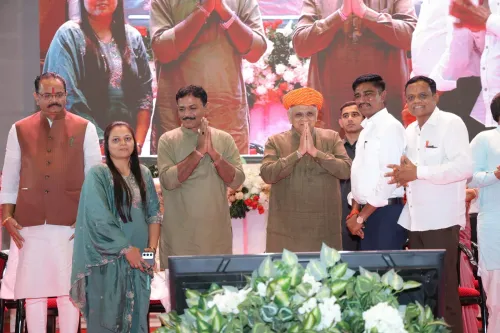
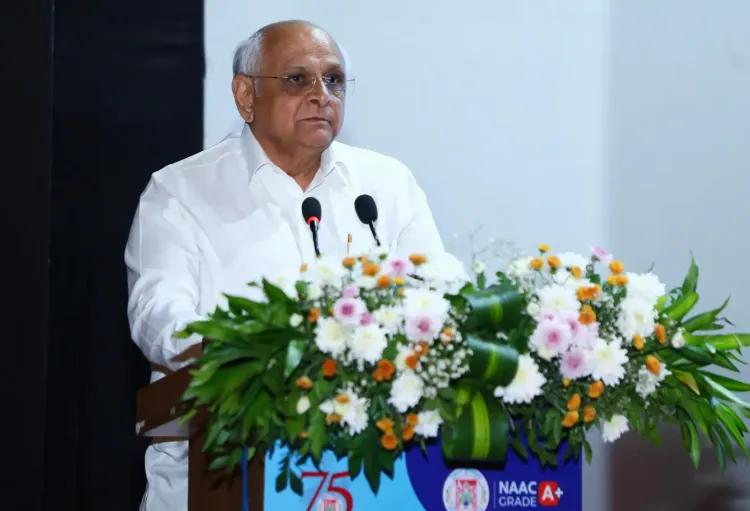
Gujarat CM Bhupendra Patel addressed the valedictory of the national conference on 'Coastal Ecology, Security and Sustainability' at Gujarat University, Ahmedabad on 12 September 2026 .
He identified climate change, rising sea levels, coastal erosion, marine pollution, and plastic waste as major global threats to India's coastline.
Patel linked Gujarat's maritime heritage — from the ancient port of Lothal to modern Mundra and Kandla — to the case for sustainable coastal development.
He spotlighted mangroves as natural cyclone shields and called traditional fishing communities ( Sagar Khedus ) 'guardians of the sea' , backed by the Sagarkhedu Sarvangi Vikas Yojana .
Gujarat attributed its zero cyclone casualties record to coordinated use of AI, drones, satellite monitoring, and community preparedness.
Patel launched a digital alumni platform and inaugurated Gujarat University's historical digital repository at the event.
Gujarat Chief Minister Bhupendra Patel on Saturday, 12 September 2026, identified climate change, rising sea levels, coastal erosion, marine pollution, and plastic waste as defining global challenges, stressing that economic growth along Gujarat's coastline must proceed in tandem with environmental protection and conservation of marine biodiversity. He was speaking at the valedictory ceremony of a national conference on 'Coastal Ecology, Security and Sustainability' held at Gujarat University in Ahmedabad.
Gujarat's Coastline: More Than a Boundary
Chief Minister Patel described Gujarat's coastline as far more than a geographical marker. 'Gujarat's coastline is not just a geographical boundary; it is a pathway to development, a gateway to maritime trade, a symbol of cultural heritage, and a source of livelihood for lakhs of people,' he said.
He drew a historical arc from the ancient port of Lothal — through which traders from the state connected with the wider world thousands of years ago — to modern-day ports such as Mundra and Kandla, which he said have placed Gujarat firmly on the global trade map.
Blue Economy and PM Modi's 'Saptadhara' Vision
Patel credited Prime Minister Narendra Modi with recognising the coastline's multi-dimensional potential — spanning ports, trade, industry, energy, fisheries, tourism, and environmental stewardship. He said this vision was reflected in the country's Blue Economy policy and in Modi's framework of 'Saptadhara' — a seven-pillar approach to harnessing India's maritime resources sustainably.
The Chief Minister underscored that industry and environmental protection need not be adversaries. 'The economy and environment are not in conflict but can grow together,' he said, outlining green ports, sustainable shipping, coastal connectivity, sustainable fisheries, and responsible coastal tourism as pillars of a new growth model for Gujarat.
Mangroves, Fishermen, and Community Guardianship
Patel highlighted the ecological importance of mangroves, calling them natural protective barriers for coastal villages, critical habitats for aquatic species, and a bulwark against cyclones and storm surges. He stressed that conservation of coastal ecology is a shared responsibility of government and society — not the government's burden alone.
He described traditional marine fishing communities, known as Sagar Khedus, as 'guardians of the sea', and said their livelihoods and safety were being strengthened through the 'Sagarkhedu Sarvangi Vikas Yojana' — a state scheme providing modern boats, diesel subsidies, safety equipment, and satellite-based navigation facilities.
Technology as a Force Multiplier for Maritime Security
On the role of emerging technology, Patel said satellite monitoring, artificial intelligence, remote sensing, drones, and smart boats were increasingly capable of securing and monitoring the sea. He cited Gujarat's record of zero casualties during cyclones as evidence that coordinated deployment of technology, administration, and community preparedness can minimise loss of life even when disasters cannot be prevented.
Conference Outcomes and Institutional Launches
Calling on participants to translate the conference's ideas into actionable policy, Patel said the insights should 'provide new direction to government policies rather than remaining limited to discussions and paper presentations.' On the sidelines, he launched a digital platform for Gujarat University alumni and inaugurated the university's historical digital repository — steps aimed at strengthening institutional memory and alumni engagement.
With coastal degradation accelerating across India's 7,500-kilometre shoreline, Gujarat's experience — both its successes and its ongoing challenges — is likely to inform national-level coastal management frameworks in the months ahead.
Point of View
But it says little about slower-moving threats like coastal erosion and fishery depletion, which damage livelihoods without triggering emergency responses. The call for conference ideas to move into policy is well-intentioned, but coastal ecology in India has a long history of expert recommendations that stall at implementation. The real measure of this conference's worth will be whether the Sagar Khedus see tangible improvement in catch sustainability, not just better boats.
NationPress
12 Sept 2026
Frequently Asked Questions
What did Gujarat CM Bhupendra Patel say about coastal erosion and marine pollution?
Chief Minister Bhupendra Patel said climate change, rising sea levels, coastal erosion, marine pollution, and plastic waste are major global threats, and that economic development along Gujarat's coastline must be matched by environmental protection and conservation of marine biodiversity. He made these remarks at the valedictory ceremony of the national conference on 'Coastal Ecology, Security and Sustainability' at Gujarat University on 12 September 2026.
What is the Sagarkhedu Sarvangi Vikas Yojana?
It is a Gujarat state scheme aimed at strengthening the livelihoods and safety of traditional marine fishing communities, known as Sagar Khedus. The scheme provides modern boats, diesel subsidies, safety equipment, and satellite-based navigation facilities to fisherfolk along the coast.
How does Gujarat's Blue Economy policy relate to PM Modi's 'Saptadhara' vision?
Chief Minister Patel said Prime Minister Narendra Modi's 'Saptadhara' framework — a seven-pillar approach to maritime development — underpins the country's Blue Economy policy, spanning ports, trade, industry, energy, fisheries, tourism, and environmental stewardship. Gujarat's coastal development strategy is aligned to this broader national vision.
Why does Gujarat credit mangroves for its cyclone resilience?
Patel described mangroves as natural protective barriers that shield coastal villages during cyclones and storms, support fishermen's livelihoods, and provide habitats for aquatic species. He said the government's mangrove conservation and plantation efforts have contributed to Gujarat's ability to achieve zero casualties during recent cyclones.
What institutional launches took place alongside the coastal ecology conference?
On the sidelines of the conference, CM Patel launched a digital platform for Gujarat University alumni and inaugurated the university's historical digital repository, aimed at preserving institutional records and improving alumni connectivity.